

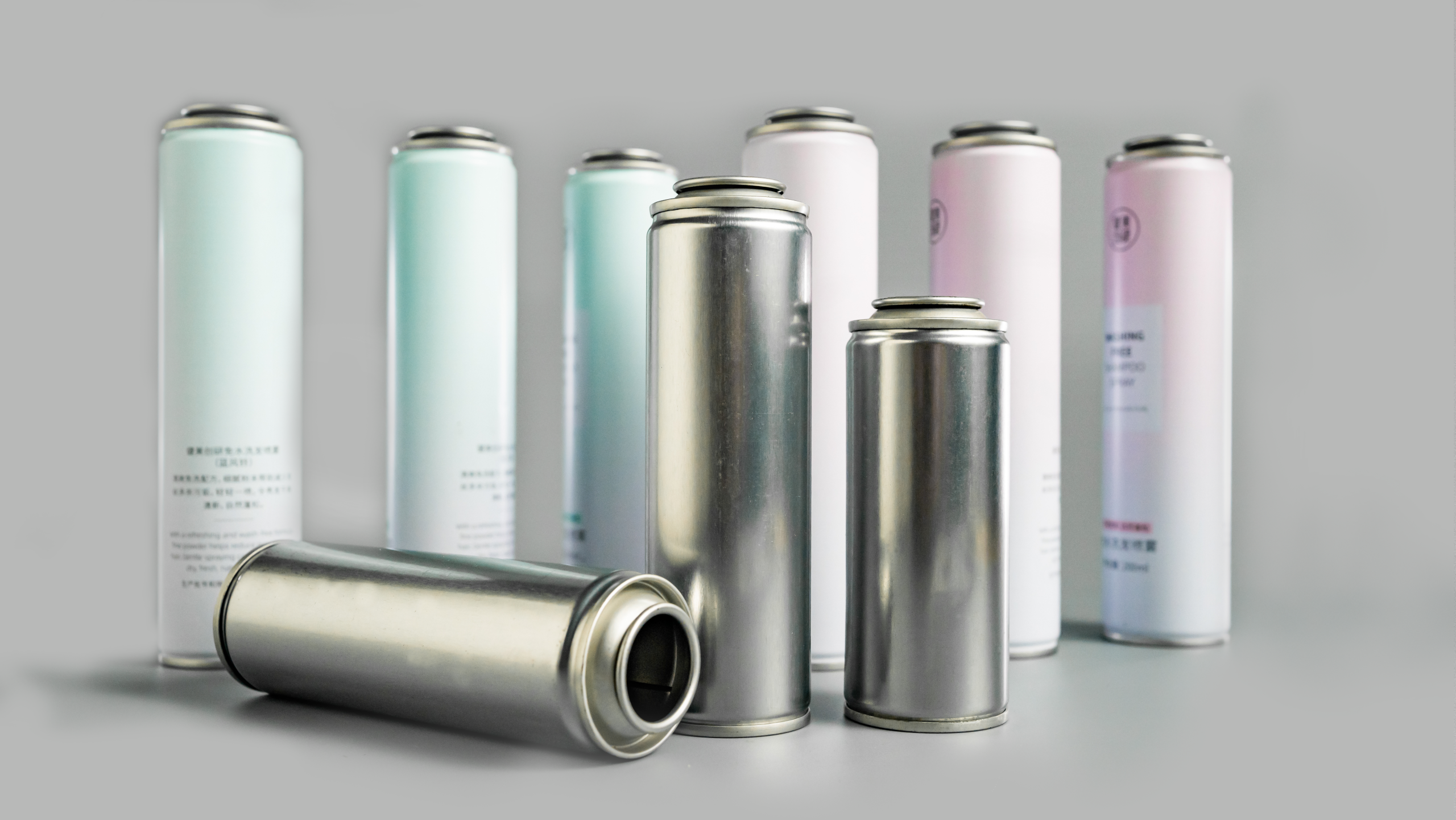
In auto maintenance, vehicle inspection and industrial equipment maintenance scenarios, automotive tinplate spray cans act as the mainstream packaging for high-pressure aerosol products such as brake cleaner and parts degreaser. Long-term exposure to highly corrosive chemical solvents, continuous internal high pressure, frequent workshop collisions and long-distance transportation wear make ordinary cans hard to maintain long-term stability. Why do mainstream maintenance brands and industrial manufacturers uniformly choose high-strength tinplate for brake cleaner packaging? Combined with practical production tests and long-term application experience, we can understand the core advantages of industrial-grade packaging from multiple dimensions including material structure, chemical compatibility and mechanical properties.
Three Severe Working Conditions That Brake Cleaner Aerosol Packaging Must Withstand
The application characteristics of brake cleaner set higher manufacturing standards for its packaging than daily chemical cans. In fact, most packaging failures stem from underestimating the harshness of auto repair working environments.
First, continuous chemical erosion. Mainstream brake cleaners contain aromatic additives, non-chlorinated high-efficiency degreasing solvents and weakly alkaline decontamination formulas. These high-activity ingredients feature strong permeability and will continuously damage the inner coating and base material of cans. Second, constant high pressure load. To realize deep flushing and cleaning of brake calipers and brake pad gaps, aerosol cans are filled with inert high-pressure propellants, and long-term closed pressure will continuously pull the tank structure. Third, irregular physical damage. Accidental tool impact, ground falling, stacking extrusion and alternating high and low temperature storage will accelerate the wear of daily cans.
Ordinary thin metal cans and plastic aerosol cans only meet short-term use demands, while solvent-resistant tinplate aerosol cans are qualified to adapt to full-cycle complex working conditions.
Double Barrier Protection: How High-Strength Tinplate Resist Strong Corrosive Solvents
Long-term immersion and penetration of chemical solvents are the leading causes of aerosol can leakage and damage. Low-quality metal cans only rely on a single-layer coating for protection. After 6 to 12 months of storage, coating chalking, peeling and pitting rust often occur, which will not only contaminate the cleaner liquid, but also cause perforation and leakage.
Automotive brake cleaner dedicated tinplate spray cans adopt cold-rolled tin-plated raw materials with dense molecular structure. Matched with customized internal coating systems, it forms a dual isolation barrier. For high-activity cleaning solvents, high-quality industrial-grade aerosol cans usually adopt two mainstream solutions: thickened epoxy phenolic coating and modified vinyl protective coating. The coating adhesion has passed hundreds of hours of immersion tests, effectively isolating direct contact between solvents and metal base materials.
Different from standard coatings of general-purpose iron cans, industrial-grade customized cans adjust coating thickness and baking process according to the formula composition, pH value and volatilization characteristics of the cleaner. It fundamentally avoids packaging damage caused by chemical reactions, which marks the core difference between customized industrial packaging and mass-produced ordinary iron cans.
High-Pressure Resistance: Material Mechanical Performance Defines Safety Boundaries
High-pressure filling is the key feature of brake cleaner and a strict test for the yield strength and deformation resistance of can materials. Low-pressure spray cans do not need high-strength pressure resistance, but the long-term working pressure inside brake cleaner cans remains at a high level. Weak materials will suffer irreversible deformation such as tank bulging, bottom sagging and curling cracking.
High-strength customized tinplate undergoes cold rolling hardening treatment, with greatly improved tensile strength and compression resistance compared with ordinary iron sheet and aluminum alloy. Uniform material toughness can disperse tension caused by internal air pressure and prevent local structural damage. Especially in high-temperature storage in summer, rising ambient temperature will increase internal pressure synchronously. High-pressure aerosol can dedicated tinplate can cope with pressure fluctuations stably and eliminate potential safety hazards in high-temperature environments.
Comprehensive Performance Comparison of Different Packaging Materials
Based on the 2026 industrial aerosol packaging test data, the performance gap of different materials in auto repair aerosol scenarios is obvious:
| Packaging Material | Solvent Resistance | Pressure Rating | Impact Resistance | Lifespan & Scenarios |
|---|---|---|---|---|
| Ordinary Thin Tinplate Can | Weak, thin anti-corrosion coating, prone to pitting rust | Poor, bottom cover prone to bulging at high temperature | Average, dented by slight impact | 6 months, only suitable for low-pressure daily chemical sprays |
| Composite Plastic Aerosol Can | Extremely poor, softened by solvents such as acetone | Extremely poor, unable to pass industrial high-pressure tests | Fragile, easy to crack when dropped in the workshop | Extremely short, not suitable for automotive brake cleaner |
| Conventional Aluminum Alloy Aerosol Can | Medium, requires extremely thick coating for anti-corrosion, high cost | Medium, limited tolerance to high-temperature pressure rise | Good, the material has certain toughness | 12 months, more suitable for high-priced small-capacity products |
| Customized High-Strength Tinplate Can (e.g., DOT 2Q) | Excellent, fully blocked by double-layer epoxy phenolic coating | Excellent, pressure resistance up to 15-Bar and above | Excellent, reinforced double curling for drop resistance | More than 24 months, suitable for industrial-grade high-pressure brake cleaner, meeting long-distance transportation and long-term storage needs |
Structural Process Upgrade: Improve Durability for Industrial Transportation
Mass-produced auto maintenance products need multi-link transportation, multi-layer shelf stacking and temporary outdoor storage. Welds, body curling and bottom sealing of three-piece aerosol cans are the most vulnerable parts.
At present, advanced manufacturing processes have achieved multiple technical upgrades to comprehensively enhance the structural strength of industrial three-piece tinplate cans:
- Adopt high-frequency precision welding to narrow weld gaps, block solvent penetration channels and improve overall air tightness;
- Upgrade thickened double-layer curling sealing structure to enhance the compression resistance of the can mouth and bottom cover, and resist deformation caused by stacking extrusion;
- Strictly implement full-range factory inspection, including air pressure test, free drop test and salt spray corrosion test;
- Flexibly adjust the thickness of the can plate, and match the optimal material specification according to the filling pressure level to balance durability and practicality.
Core Selection Principles for Automotive Maintenance Aerosol Cans
Combined with the harsh needs of auto repair scenarios and industry test data, the selection of brake cleaner aerosol cans must follow three core principles, which are indispensable. First, material compatibility: high-strength base materials that can resist strong solvent erosion must be selected, and customized cold-rolled tinplate is preferred. Its dense structure and customized coating can achieve long-term protection. Second, pressure bearing compliance: the can must meet industrial-grade high-pressure standards, with a pressure resistance of not less than 15-Bar, to ensure structural stability in high-temperature environments. Finally, reliable craftsmanship: weak links such as welds and curling edges must be strengthened and pass industrial-grade tests such as drop and extrusion to adapt to harsh scenarios such as long-distance transportation and high-frequency workshop use.
SAILON’s Dedicated Packaging Solutions for Brake Cleaner
Focusing on the customized production of metal aerosol cans, SAILON is deeply engaged in the field of packaging for auto maintenance, industrial cleaning and automotive spray products. Relying on mature industry processes and customization experience, it creates dedicated packaging solutions for brake cleaner. From early material selection and inner coating R&D, to mid-term structural process optimization and appearance printing customization, and then to late-stage batch quality inspection and stable delivery, the whole process meets the strict standards of industrial production, and can accurately match the performance requirements of customized high-strength tinplate cans (such as DOT 2Q). Whether it is high-corrosion automotive detergent, high-pressure maintenance spray, or batch products that need long-term storage and turnover, SAILON can create highly demand-oriented customized cans through one-to-one parameter adaptation, fundamentally avoiding common problems such as can corrosion, high-pressure deformation and physical damage, and providing full-cycle packaging guarantee for brake cleaner products.
Key Summary
1. Is aluminum alloy can suitable for long-term storage of brake cleaner?
Aluminum alloy cans are not recommended. There are three main reasons: 1. High cost: Aluminum alloy has weak resistance to strong solvents (such as aromatics and acetone), requiring extremely thick special anti-corrosion coating, which greatly increases production costs; 2. Limited pressure bearing: In summer high-temperature workshops or storage environments, the internal pressure of brake cleaner will increase sharply, and the high-pressure deformation tolerance of aluminum cans is much lower than that of high-hardness tinplate; 3. Poor scenario adaptability: The service life of aluminum alloy cans is only 12 months, and they are more suitable for high-priced small-capacity products, which cannot meet the needs of long-term storage and batch transportation of industrial-grade brake cleaner.
2. What are the core process advantages of solvent-resistant tinplate aerosol packaging?
The core advantages focus on three points, balancing protection and durability: 1. Customized coating: Double-layer epoxy phenolic coating is adopted, which can completely block strong solvent penetration and adapt to brake cleaners with different formulas; 2. High-strength base material: Cold-rolled hardened tinplate is selected, with excellent tensile and compression performance, which can meet the high-pressure filling demand of more than 15-Bar; 3. Process reinforcement: Precision high-frequency welding and double-layer curling sealing improve air tightness and impact resistance, adapting to harsh scenarios such as workshop collisions and long-distance transportation.
3. What consequences will peeling inner coating bring to brake cleaner?
It will lead to product failure and even dangerous leakage. Peeling of the inner coating will trigger a chain reaction: 1. Formula contamination: The exposed iron base material oxidizes with active solvents, and rust impurities will block the aerosol valve, resulting in failure to spray normally; 2. Can perforation: Continuous electrochemical corrosion of the solvent will bite through the can wall from the inside, causing catastrophic leakage of high-pressure gas and chemical liquid; 3. Product scrapping: The contaminated brake cleaner will lose its cleaning efficiency, and the peeling of the coating of batch cans will lead to the inability to use the entire batch of products, resulting in economic losses.
4. What is the normal safe storage life of industrial-grade automotive aerosol cans?
The safe storage life of customized high-strength tinplate cans (such as DOT 2Q) can reach more than 24 months. There are three core supports: 1. Durable material: The cold-rolled tinplate base material is dense, with strong oxidation and corrosion resistance; 2. Coating protection: The double-layer epoxy phenolic coating completely blocks solvent penetration, avoiding internal rust of the can; 3. Reliable craftsmanship: Reinforced curling and precision welding improve the air tightness of the can, which can adapt to storage scenarios such as alternating high and low temperatures and multi-layer stacking, meeting the needs of long-term stocking and cross-regional turnover.
5. Can the can thickness and coating type be customized separately according to the cleaner formula?
One-to-one customization is achievable and is a core demand for industrial-grade packaging. The main customization logic has three points: 1. Coating adaptation: Select epoxy phenolic or modified vinyl coating according to the solvent composition and pH value of the cleaner to avoid chemical reactions; 2. Thickness matching: Adjust the thickness of the can plate according to the filling pressure level to balance pressure resistance and practicality; 3. Process optimization: Strengthen weak links such as welds and curling edges for special storage or use scenarios to ensure long-term stability of the can.