Welcome to Foshan SAILON Tinplate Printing & Can Making Co., Ltd.


News
-
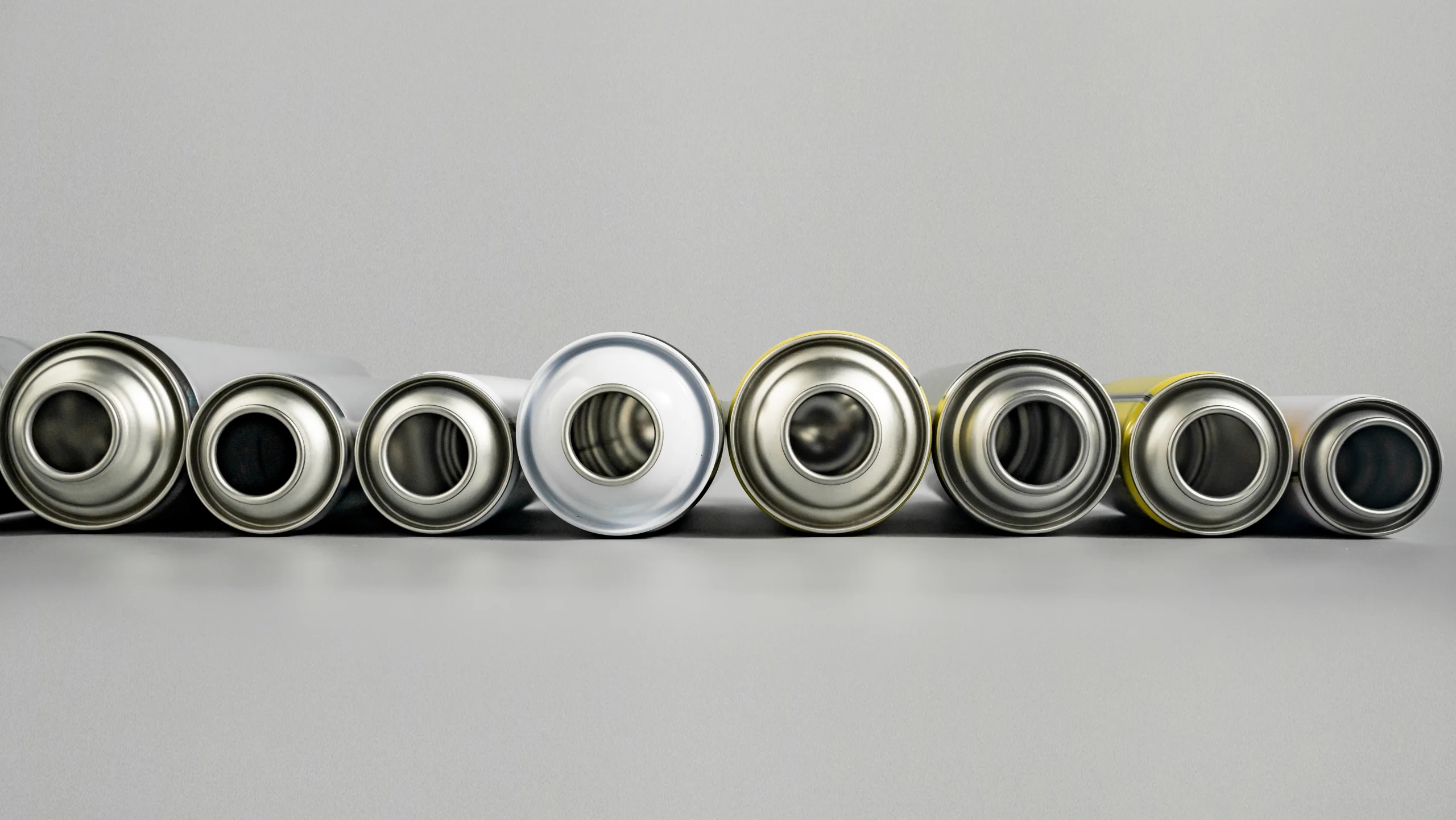
Tinplate Aerosol Cans for Household Insecticides & Air Fresheners: Solutions for Lid Cracking and Nozzle Clogging in High-Humidity Environments
For brands, contract manufacturers and procurement teams in the home care sector, end-user complaint management directly defines a product’s market lifecycle. For household insecticides and air fresheners — products often stored in humid, enclosed spaces like bathrooms and kitchens — complaints about cracked plastic lids, sticky nozzles and weak spray performance have long been a persistent, hard-to-solve challenge. Many manufacturers simply attribute these failures to natural plastic aging, overlooking the combined effect of tinplate aerosol can system compatibility, active ingredient chemistry and environmental stress. This article breaks down the root causes from an R&D and procurement perspective, and shares proven, field-tested complete solutions. 1. Root Causes of A...Learn more -
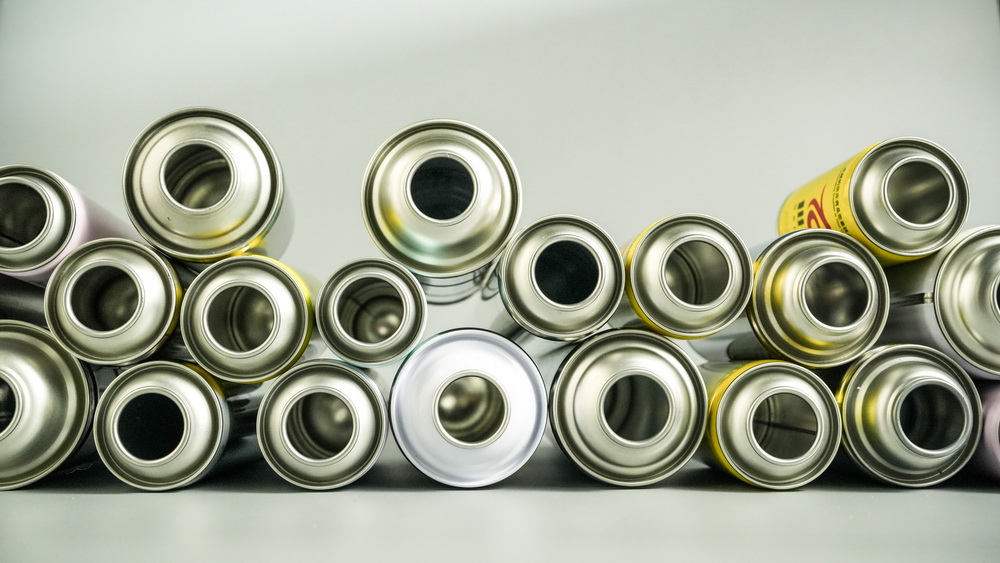
Reducing Aerosol Tin Can Body Thickness by 0.02mm: Real Cost Savings or Burst Risk Bomb?
For many procurement teams, cutting the thickness of a aerosol tin can body by 0.02mm seems like a quick and easy way to lower unit costs. This practice is common across industries from car care, home care to personal care — but most buyers only see the small drop in material cost, and ignore the chain risks caused by reduced mechanical performance of the can body. As an experienced aerosol can manufacturer with over 17 years in the industry, SAILON always emphasizes: blind thickness reduction is a short-sighted cost-cutting trap. The tiny savings on material will never cover the losses from bursting cans, shipping damage, compliance fines, or damaged brand reputation. In the long run, it only drives up your total supply chain costs. Risk Matrix: Pros and Cons of 0.02mm Thic...Learn more -
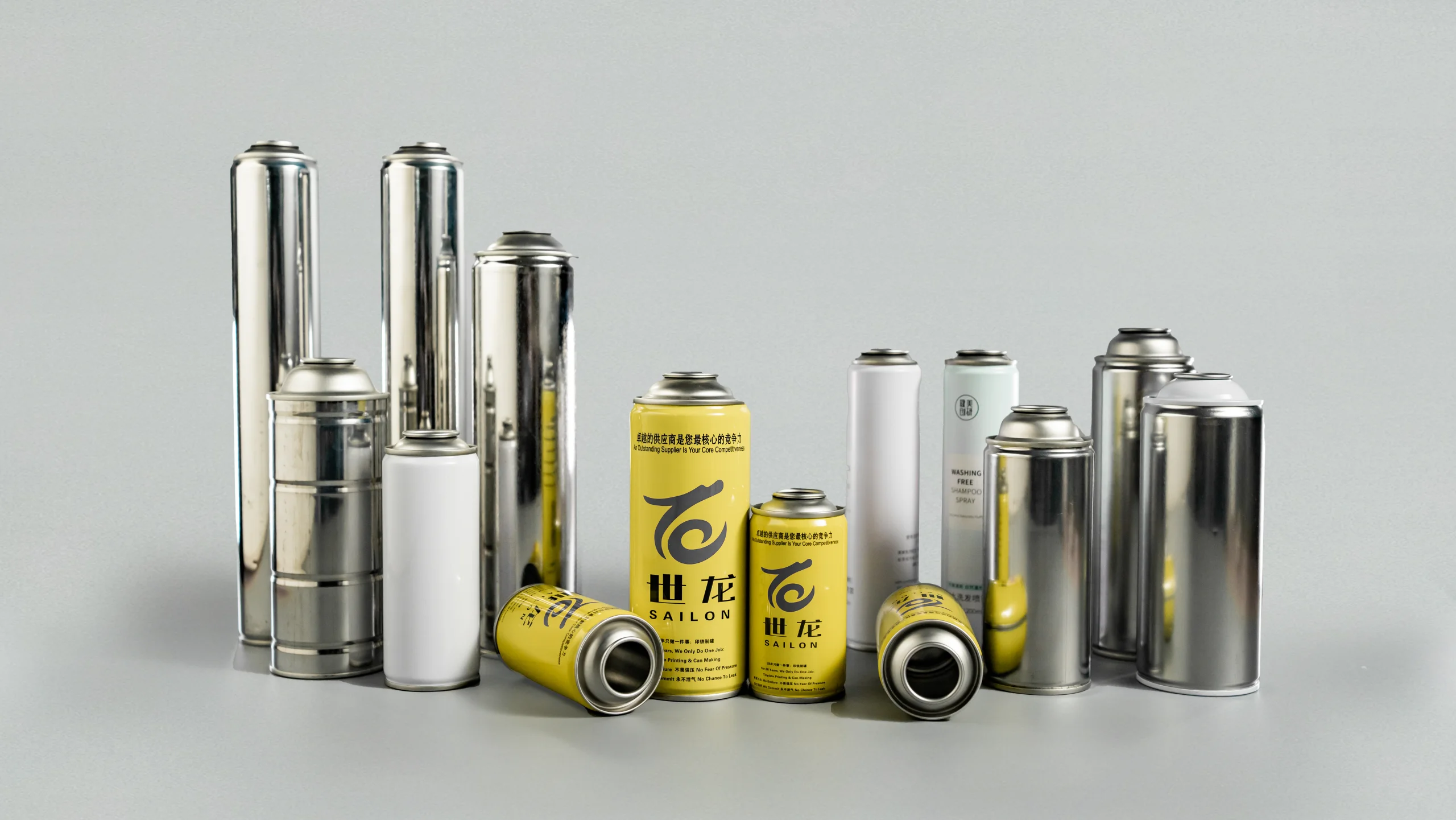
Aluminum vs. Tinplate Aerosol Cans: Save 30% on Costs, But Will Your Cosmetic Inner Coating Peel Off?
In cosmetics and personal care supply chain management, packaging cost (COGS) directly dictates profit margins and market competitiveness. Driven by cost-reduction goals, many brand owners and OEM/ODM manufacturers are turning to material substitution—transitioning from traditional aluminum aerosol cans to tinplate aerosol cans. This simple transition often yields a 20% to 30% reduction in packaging procurement costs. However, product managers and sourcing teams frequently share a critical concern: If we switch to tinplate, will our sunscreens, hydrating mists, or hairsprays suffer from internal coating peeling, formulation degradation, or pinhole corrosion? This article breaks down the financial logic behind tinplate aerosol cans, examines the root causes of inner coating fa...Learn more -
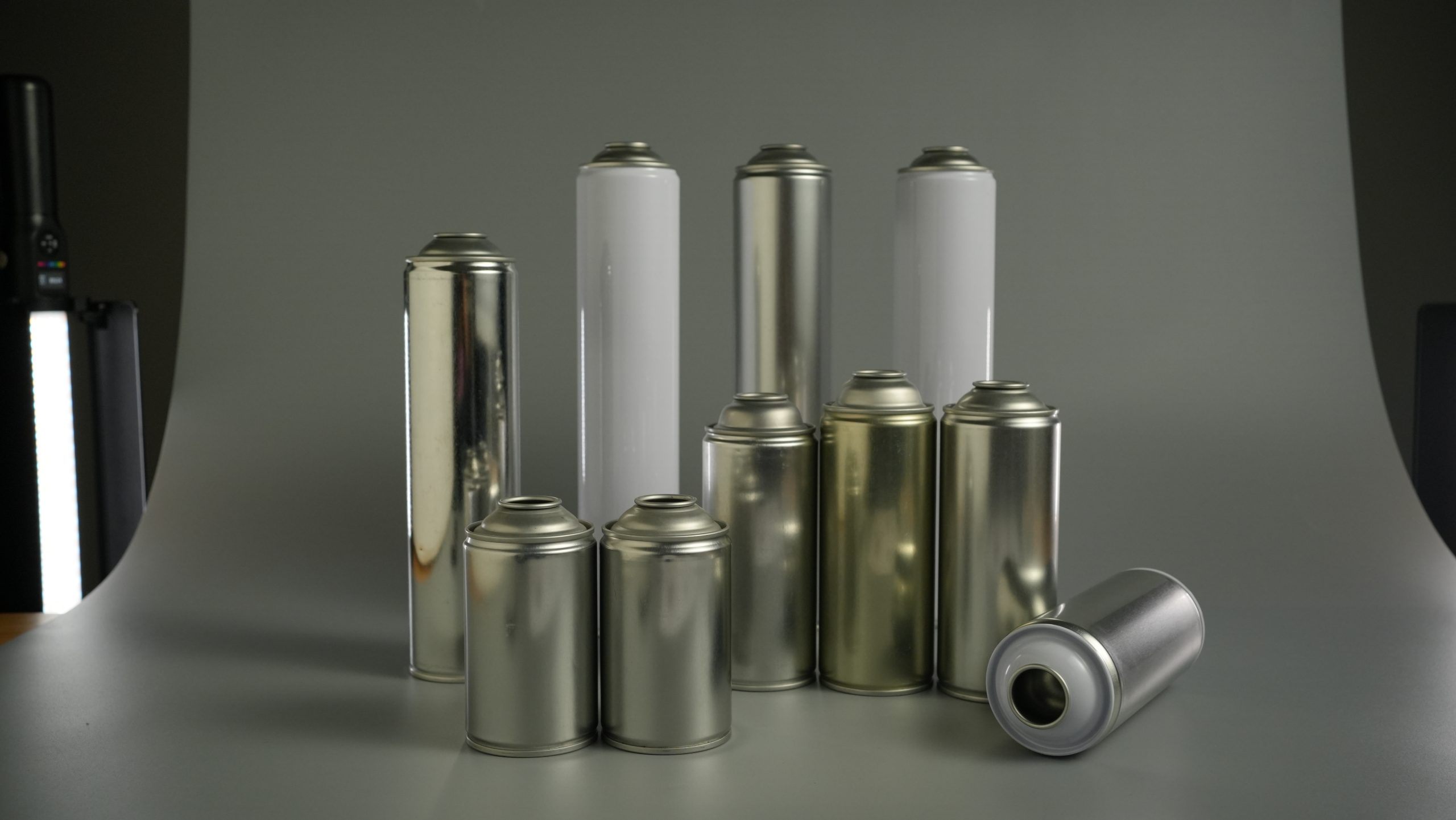
Why 45mm and 52mm Small-Caliber Aerosol Tin Cans Are the Ultimate Portable Packaging Solution for Body Lotions and Cleaners?
In the personal care and precision industrial chemical markets, the portability and compliance of product packaging often determine how quickly a product scales. Many brand owners fall into a common trap when developing travel-size items: blindly choosing plastic (PET) spray bottles or overlooking how can diameter affects user ergonomics and filling line compatibility. For brands looking for a high-value, cross-industry metal packaging solution, 45mm aerosol tin cans and 52mm tinplate aerosol tin cans are rapidly becoming the top choice for global B2B buyers and product managers. These small-caliber portable aerosol tin cans hit the sweet spot for airline capacity limits and travel restrictions while delivering exceptional structural integrity for precision cleaning applications...Learn more -
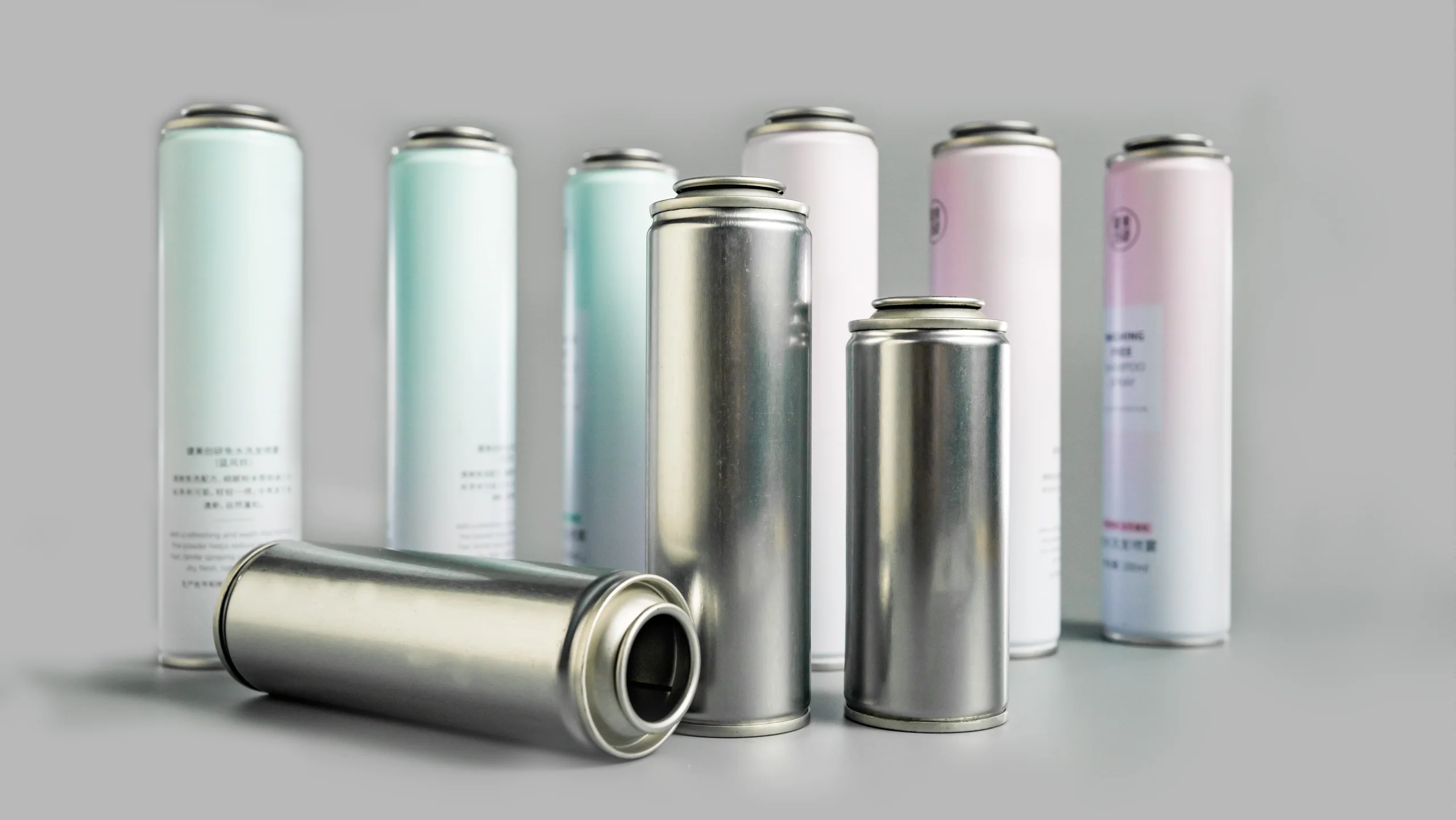
How to Reduce the Risk of Rust and Damage to Tinplate Aerosol Cans During Ocean Freight?
Why Do Tinplate Aerosol Cans Always Rust at Sea? The Ultimate “Zero-Loss” Ocean Freight Protection Guide For B2B buyers and exporters of aerosol products, few things are more frustrating than opening a container after weeks at sea only to find the tinplate cans covered in rust spots or dented from compression. This means direct financial losses and a heavy blow to customer trust. How can you combat container humidity, drastic temperature swings, and rough maritime handling? This guide takes you from raw material selection down to packaging details to help you achieve zero-loss ocean freight. 1. The Invisible Killer: What Does “Container Sweat” Do to Your Metal Cans? When containers cross the equator or experience massive diurnal temperature range...Learn more -
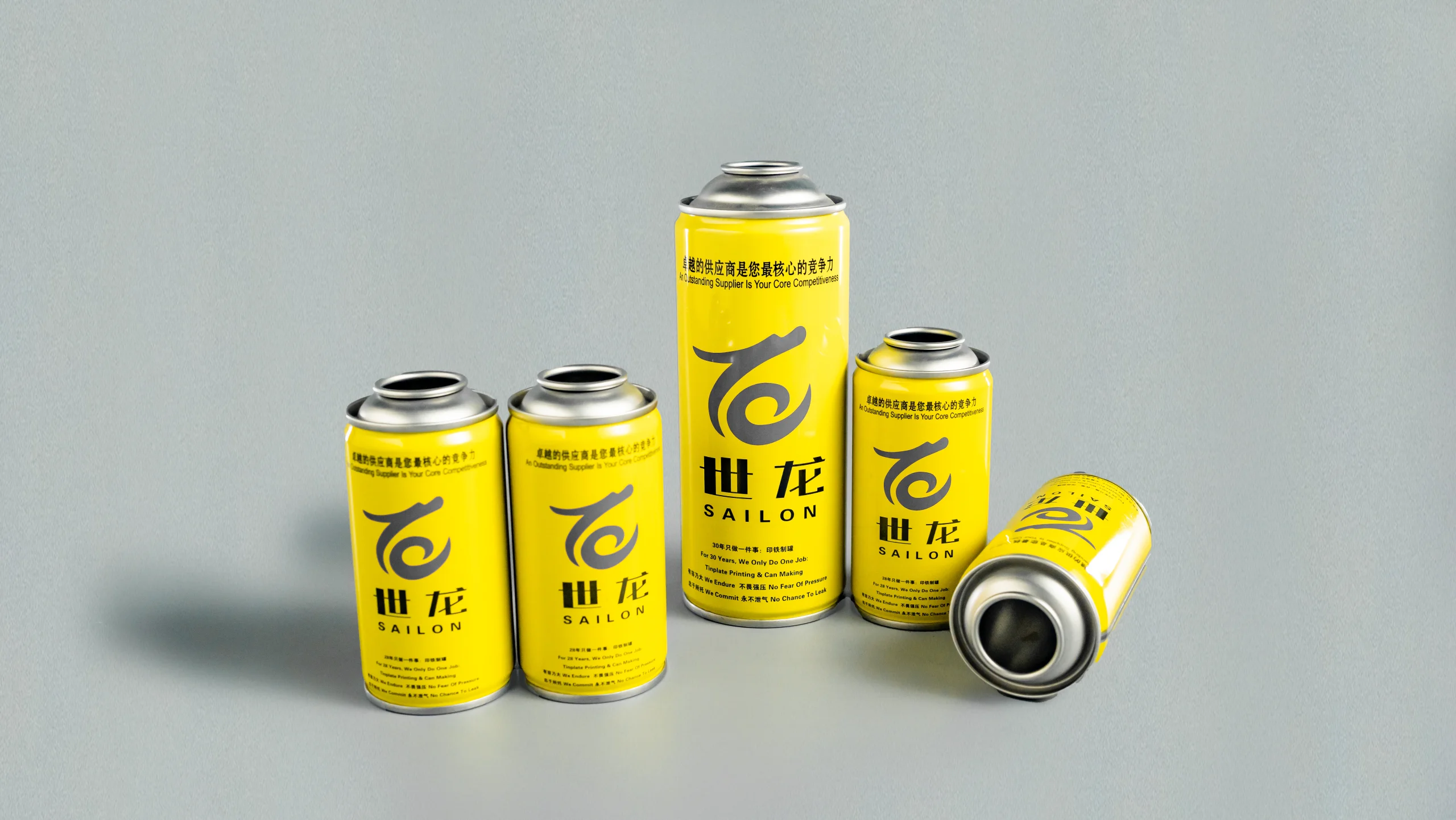
High-Pressure Aerosol Tin Can Selection Guide: 3 Critical Metrics to Prevent Bursting and Clogging
The Nightmare of Aerosol Paint Brands: From Customer Complaints to Recalls In the aerosol industry, spray paint products are often the biggest headache for procurement and quality control teams. To achieve better coverage and atomization, many brand owners increase the propellant ratio or utilize aggressive organic solvents. Shortly after launching, bad reviews start rolling in: cans deforming or bursting during summer transport, or nozzles completely clogging up after a few months on the shelf. These failures stem from a fundamental mismatch between the liquid formulation and the packaging container. Choosing the wrong Spray Paint Aerosol Tin Can not only ruins your brand reputation but also creates serious logistical hazards. If you want to eliminate risks during Aerosol Pa...Learn more -
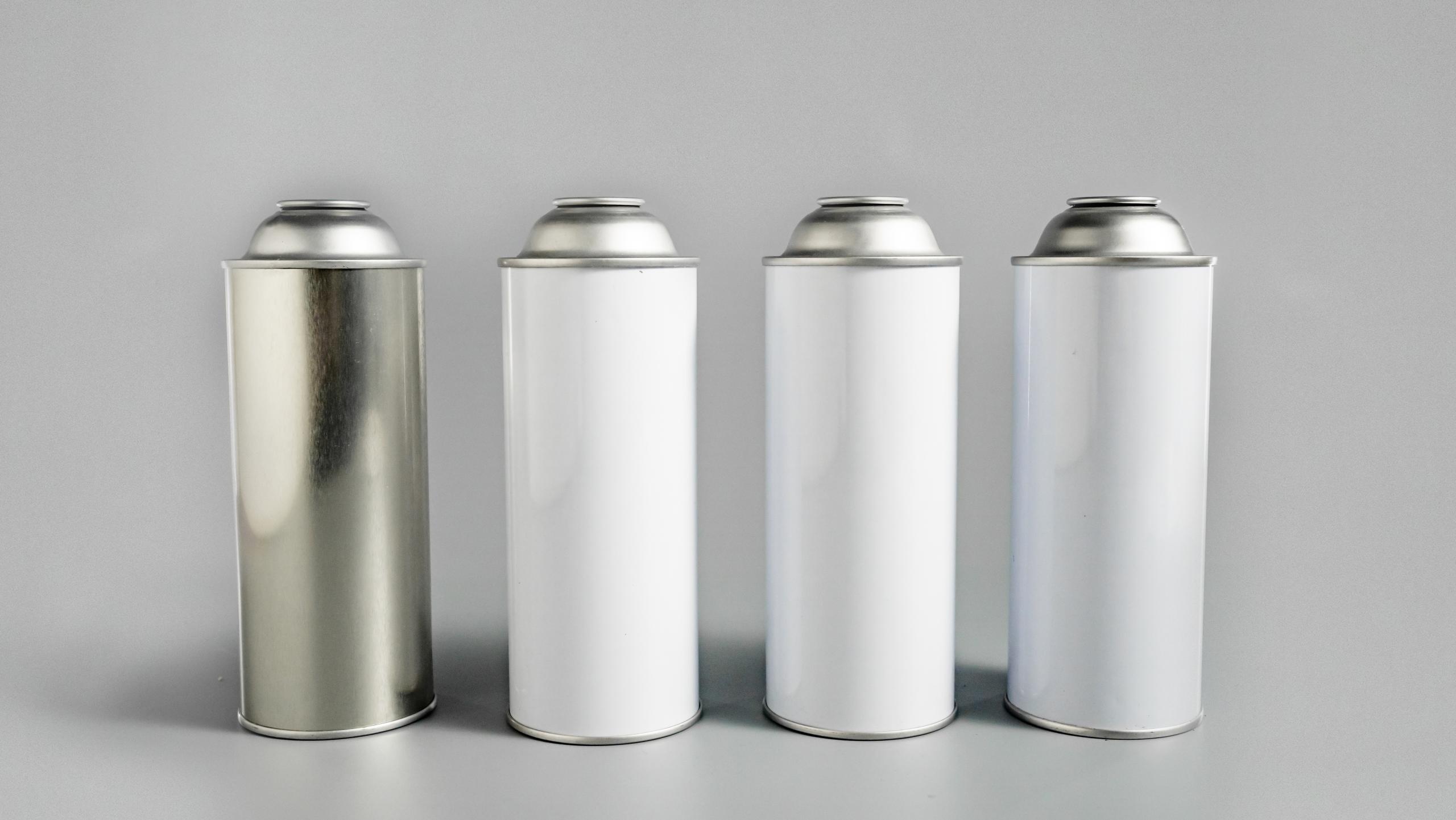
52mm vs 65mm Aerosol Tin Cans: How to Pick the Right Size Without Wasting Budget?
When sourcing aerosol tinplate packaging, many procurement teams jump straight to selecting tank capacity. However, can diameter is often far more critical than height. It governs not only liquid fill volume, but also filling line stability, shipping container density, end-user grip comfort, and shelf presentation. In tinplate aerosol packaging, 52mm and 65mm are the two dominant industrial standards worldwide. Which one fits your formula best? This practical guide breaks down technical specs, key applications, and procurement logic. 1. Quick Comparison: 52mm vs 65mm at a Glance Feature / Metric52mm Diameter Tinplate Can65mm Diameter Tinplate CanTypical Capacity Range150ml- 400ml400ml – 750 mlProfile & AestheticsSlim, elegant, easy to manipulateSturdy, high-volum...Learn more -
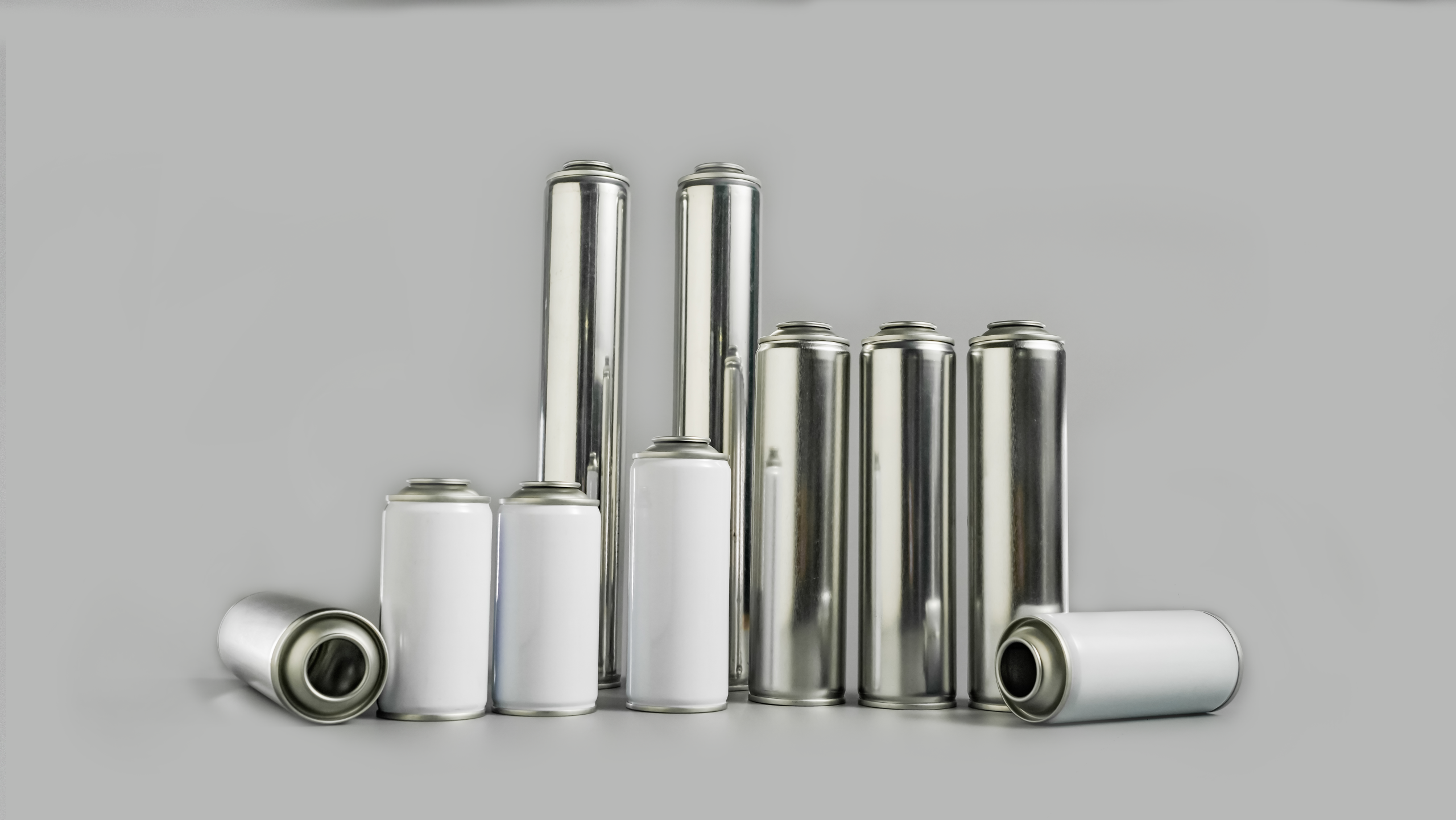
Too Bulky or Too Small? How the 60mm Necked-In Aerosol Can Hits the Auto Detailing Sweet Spot
In the auto detailing industry, packaging needs to perform as well as it sells. From dashboard waxes and tire shines to ceramic coating sprays, the aerosol can isn’t just a container—it seals the product safely, withstands chemical solvents, and leaves the crucial first impression on the shelf. Brand managers often run into a trade-off: a 65mm diameter can offers plenty of capacity, but feels clunky in hand during detailed work. On the flip side, a 52mm can offers a slim grip, but holding 450ml–500ml requires a taller, top-heavy profile that knocks over easily on store shelves. Enter the 60mm Necked-in Tinplate Can—the industry sweet spot balancing ergonomics, storage capacity, and premium visual appeal. 1. What Exactly Is a 60mm Necked-In Can? Aerosol tinplate...Learn more -
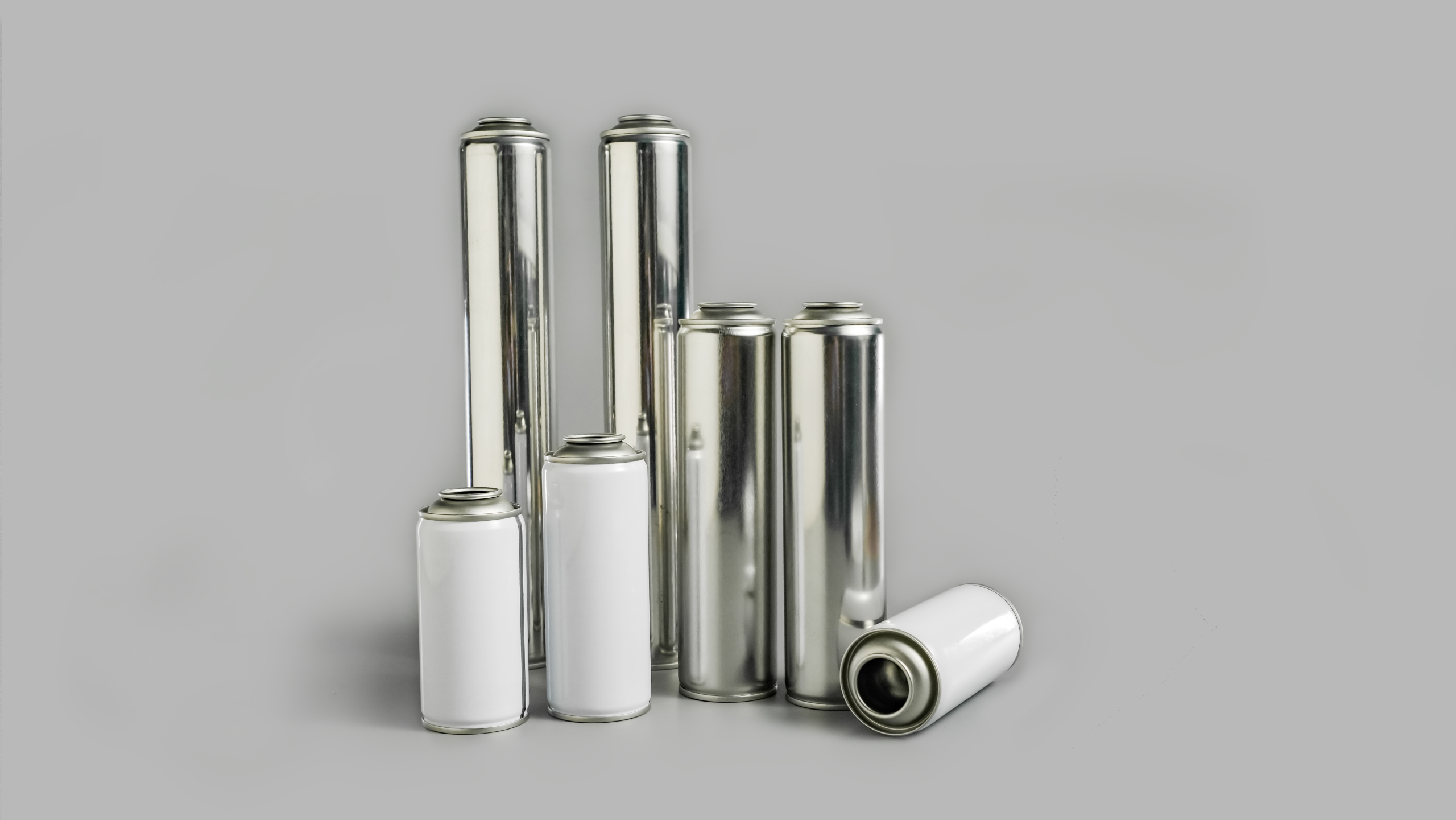
Zero Leaks, Zero Bursts!Customized Aerosol Tin Can Specs for Automotive Cleaners & Lubricants
In the competitive automotive care industry, packaging is safety, and packaging is user experience. Products like carburetor cleaners, brake cleaners, and rust-preventative penetration lubricants contain highly volatile solvents and high-pressure propellants. These harsh formulas place extreme demands on the pressure resistance and chemical anti-corrosion performance of the packaging. Common packaging nightmares—such as can bulging in hot summer shipping or inner coating peeling caused by strong solvents (which clogs the spray nozzle)—can destroy a brand’s reputation and lead to costly product recalls. This guide explores the essential customization specs for Automotive Aerosol Tin Cans, designed specifically for B2B buyers, packaging engineers, and automotive chemical ...Learn more -
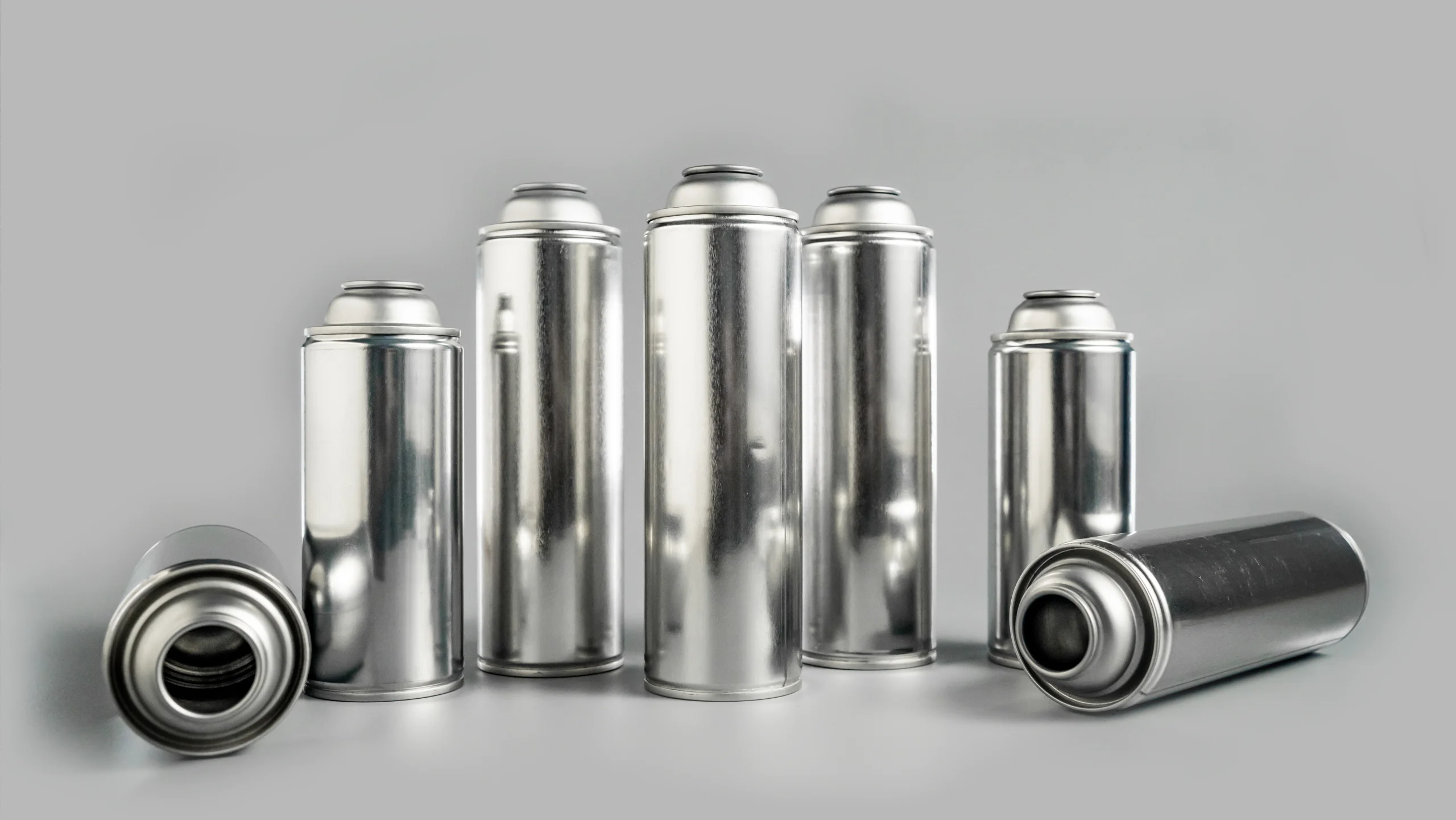
Aerosol Tin Cans: 5 Core Parameters in the 2026 B2B Buyer’s Guide
Sourcing empty aerosol tin cans for products like brake cleaners, spray paints, sunscreen sprays, and lubricants can be challenging for B2B procurement teams. Overlooking key technical parameters often leads to container deformation, leakage, or unnecessary costs due to over-specification. Mastering these 5 core metrics will help you source high-quality custom aerosol tinplate cans and streamline your purchasing decisions. I. 5 Core Parameters: Pitfall Avoidance Breakdown 1. Net Fill Volume ≠ Brimful Capacity Common Mistake: Ordering a 500ml capacity can to hold 500ml of liquid. Pro Tip: Aerosol containers require 15% to 20% headspace for propellant expansion and safety buffering. Overfilling can cause liquid expansion under warm conditions (e.g., inside cargo trucks r...Learn more