

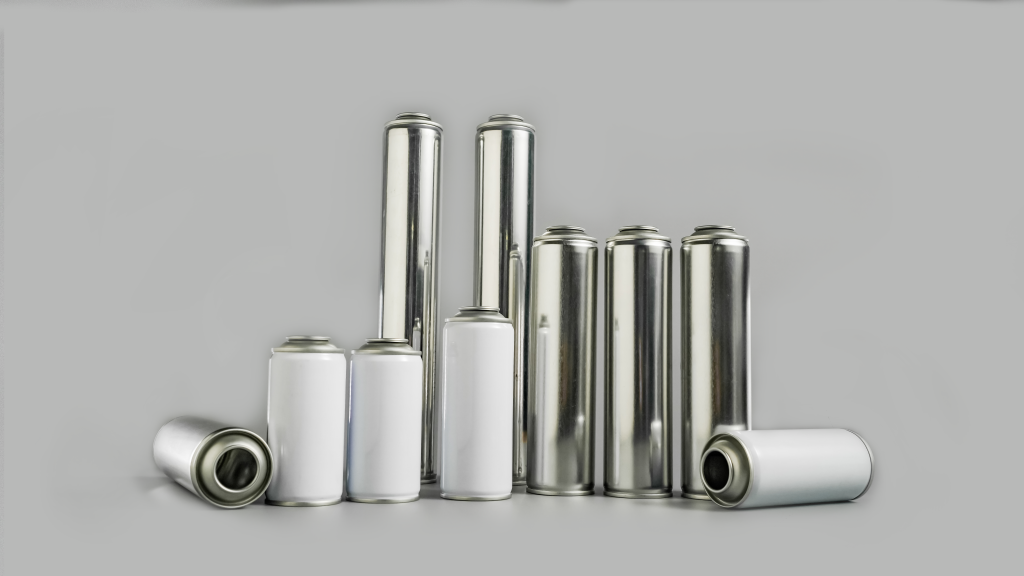
In the auto detailing industry, packaging needs to perform as well as it sells.
From dashboard waxes and tire shines to ceramic coating sprays, the aerosol can isn’t just a container—it seals the product safely, withstands chemical solvents, and leaves the crucial first impression on the shelf.
Brand managers often run into a trade-off: a 65mm diameter can offers plenty of capacity, but feels clunky in hand during detailed work. On the flip side, a 52mm can offers a slim grip, but holding 450ml–500ml requires a taller, top-heavy profile that knocks over easily on store shelves.
Enter the 60mm Necked-in Tinplate Can—the industry sweet spot balancing ergonomics, storage capacity, and premium visual appeal.
1. What Exactly Is a 60mm Necked-In Can?
Aerosol tinplate cans generally fall into two categories: Straight-wall and Necked-in.
- Straight-wall Cans: Maintain a uniform diameter from top to bottom. Simple and traditional.
- Necked-in Cans: Manufactured using a series of necking processes to reduce the diameter at the top (and sometimes the bottom). A 60mm necked-in can keeps a 60mm main body diameter while tapering at the top to fit standard 52mm caps and valves.
This subtle curve changes everything—offering better structural strength, improved ergonomics, and a sleek, modern silhouette.
2. Why Auto Detailing Brands Are Making the Switch
1. The Ergonomics & Capacity Sweet Spot
Detailing work often requires holding a spray can at multiple angles for extended periods.
- 65mm Cans: Great for bulk industrial use, but fatigue-inducing for precision detailing or users with smaller hands.
- 52mm Cans: Lightweight, but forcing a 450ml–500ml volume creates an overly tall, unstable container.
- 60mm Necked-in Cans: Comfortably hold 350ml–500ml while maintaining an easy-to-grip body diameter.
2. Collision Resistance During Transit
The biggest risk during shipping is micro-leakage, which typically occurs when damaged double seams lose pressure. The tapered design ensures that adjacent cans touch along their middle bodies rather than at the top seams, drastically lowering transit damage rates.
3. Modern Aesthetics That Command Higher Margins
Straight-wall cans can look generic or low-cost. The gentle taper of a necked-in profile, paired with a transparent cap or full-cover overcap, gives the product a high-tech, professional appearance that supports premium pricing.
3. Recommended Can Configurations for Auto Detailing Products
Different formulations require tailored internal coatings and specialized actuators:
| Product Category | Volume Range | Recommended 60mm Necked-In Setup | Key Feature |
| Dashboard Wax / Tire Shine | 400ml – 450ml | Epoxy Internal Coating + Fan-spray Actuator | Solvent resistance with even, widespread spray |
| Leather & Fabric Foam Cleaner | 450ml – 500ml | Enhanced Anti-Corrosion Coating + Foaming Nozzle | Water-based formulas require top-tier rust protection |
| Ceramic Paint Coating / Scratch Spray | 300ml – 400ml | High-Definition Litho Printing + Matte/Gloss Finish | Focus on premium shelf appeal and precise metering |
| Tar & Resin Remover | 400ml | High Solvent-Resistant Coating + Heavy-Duty Ends | Prevents aggressive solvents from degrading the inner lining |
4. Critical Technical Checkpoints Before Mass Purchasing
To avoid rust, leaks, or loose caps down the line, pay attention to these three manufacturing details:
1. Internal Coating Compatibility Tests
Detailing chemicals often blend surfactants, emulsifiers, or harsh solvents that can trigger electrochemical corrosion on tinplate. Always request a 12-to-24-month compatibility test report from your supplier before starting full-scale production.
2. Side Seam Powder Protection
The longitudinal side seam is the most corrosion-prone zone of any tinplate can. Ensure your manufacturer applies high-grade powder side seam coating to guarantee complete, pinhole-free coverage.
3. Cap Fit & Snap Precision
A 60mm necked-in can usually pairs with a 52mm overcap. Check the cap snap force carefully: a cap that’s too tight frustrates end users, while one that’s too loose pops off during shipping and risks accidental discharge.
5. Frequently Asked Questions (FAQ)
Q1: Does a 60mm necked-in can handle pressure as well as a straight-wall can?
A: Yes. Pressure resistance is primarily determined by tinplate thickness and the structural design of the top and bottom ends (deformation and burst pressure ratings). In fact, the tapered shape at the top helps distribute stress evenly.
Q2: Can I use the same internal coating for water-based cleaners and solvent-based tar removers?
A: It is not recommended. Water-based formulas need coatings that prevent rust, whereas aggressive solvents require linings engineered to resist chemical dissolution. Customizing the lining to your chemical formula is crucial.
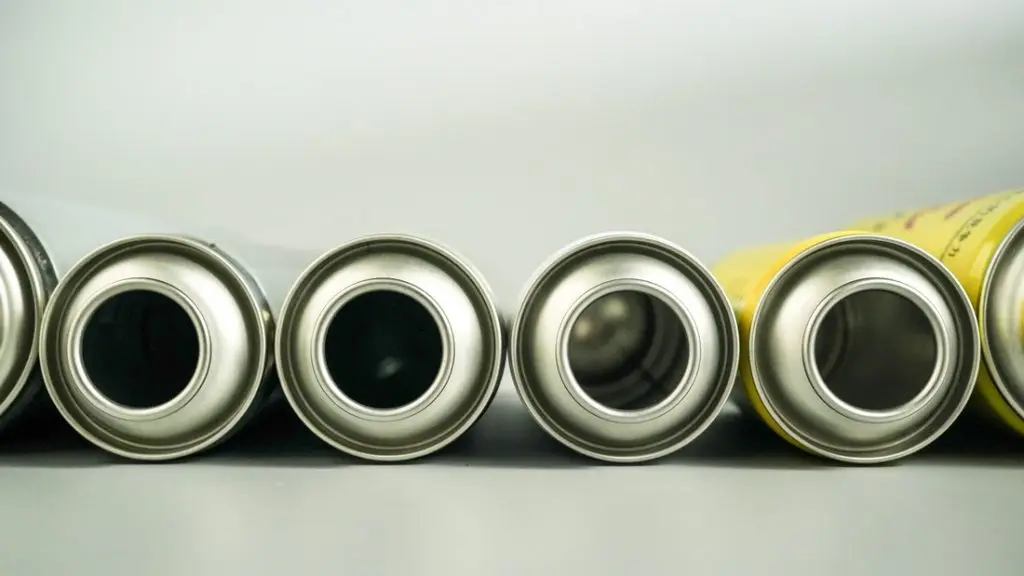
Q3: Why does a 60mm necked-in can step down to 52mm at the top?
A: It matches standardized industry specs. The 52mm cap size and 1-inch valve standard have well-established supply chains worldwide. This design gives you the volume of a 60mm body with access to widely available, cost-effective 52mm caps and spray accessories.
If you are looking to elevate your product line with reliable, high-performance packaging, SAILON brings years of manufacturing expertise in metal aerosol cans. From precise material selection and custom lithographic printing to rigorous internal coating tests, we deliver reliable aerosol packaging solutions tailored to help your brand stand out on the shelf.