Welcome to Foshan SAILON Tinplate Printing & Can Making Co., Ltd.


News
-
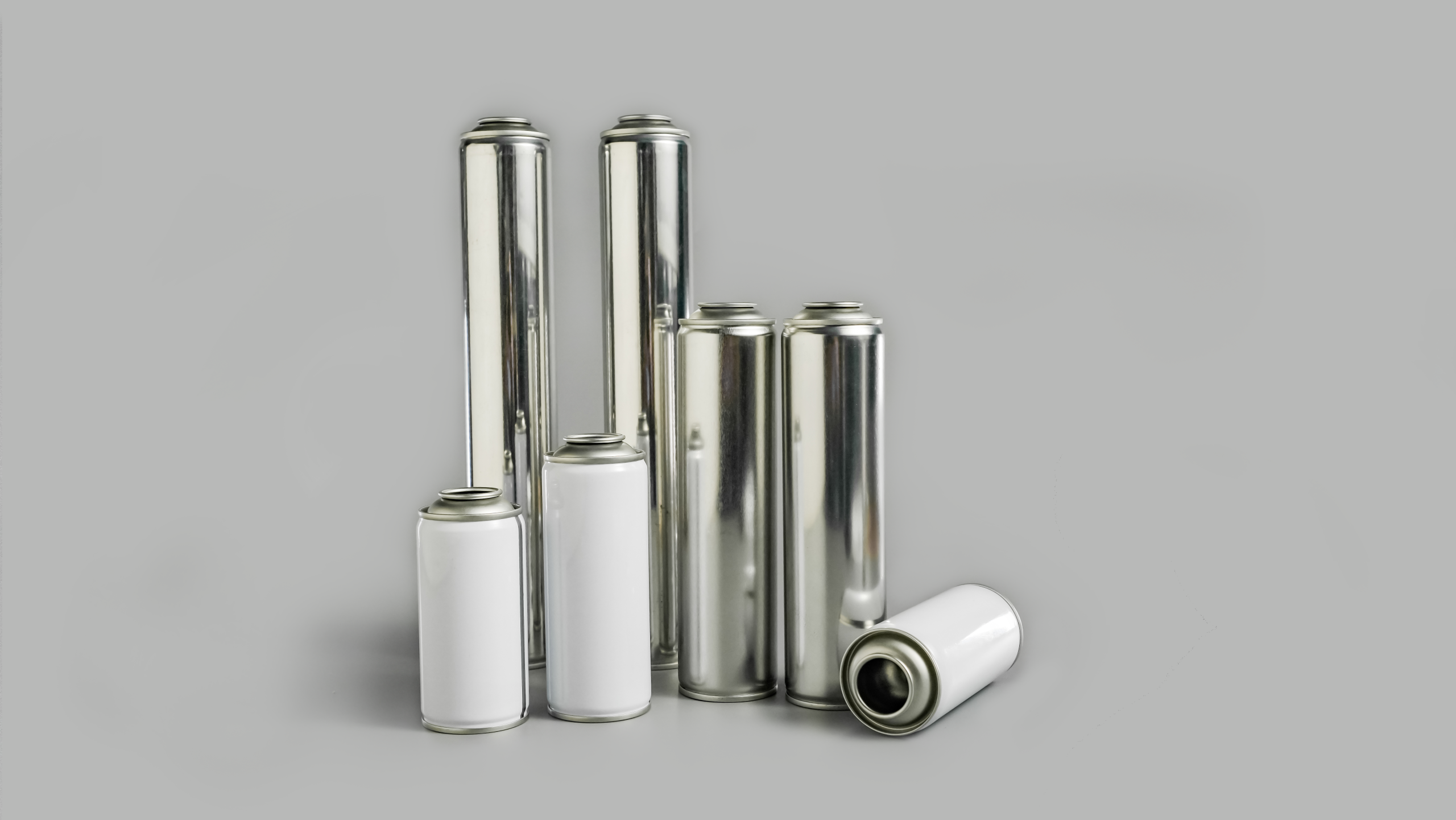
Aerosol Tin Can High-Temperature Safety Standards: Deform & Burst Pressure Margins
When managing global chemical supply chains, choosing the right aerosol tin can specification determines the safety of your inventory during summer transport. High temperatures inside shipping containers regularly exceed 55°C, causing volatile media to expand rapidly. To ensure complete refrigerant packaging safety, procurement managers must look past standard packaging and invest in verified high pressure aerosol can designs that mitigate thermal stress. Choosing a qualified tinplate aerosol can manufacturer ensures compliance with rigorous international transport regulations, protecting your products from catastrophic structural failures, costly inventory leakage, and liability during transit. The Dynamics of Thermal Expansion in Industrial Cargo Logistics During peak summe...Learn more -
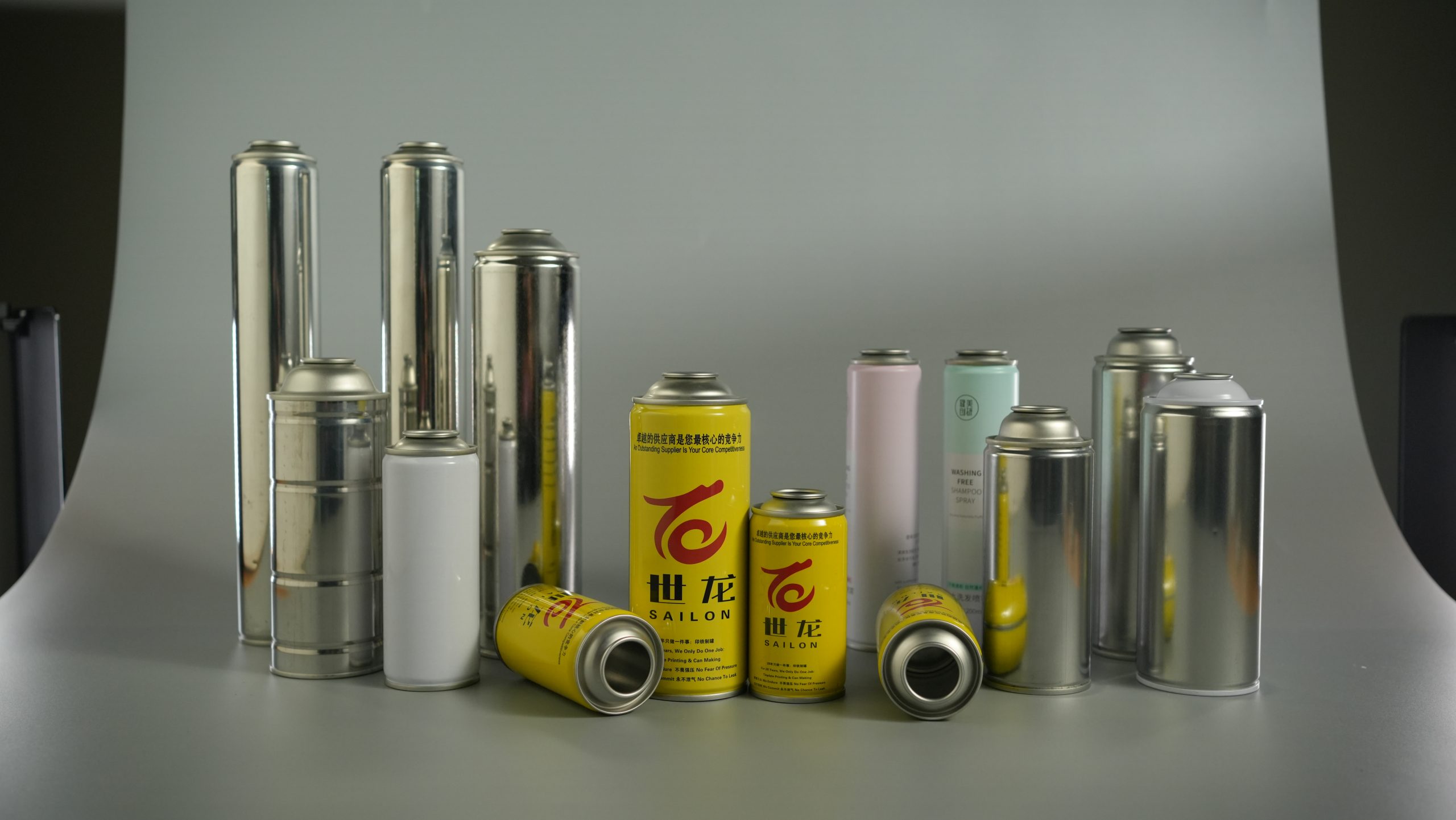
Tin-Necked Aerosol Can Sealing Technology: Solving Pre-Curing of 2K Coatings Caused by Micron Leakage
In the mass production and global supply chain of two-component (2K) aerosol coatings, the structural sealing precision of necked-in tinplate aerosol cans dictates the failure rate of premature curing caused by internal piston micro-leakage. Many high-performance automotive refinish paint and high-solid industrial primer manufacturers suffer from chronic invisible losses: unopened and unactivated products gradually gel, clump, or completely harden within standard warehousing cycles. These failures are rarely caused by defects in the paint formulation itself. Instead, the vast majority are chain reactions triggered by micron-level leakage in the aerosol can’s bottom puncture-sealing system. A critical detail often overlooked by production managers is that the curing reac...Learn more -
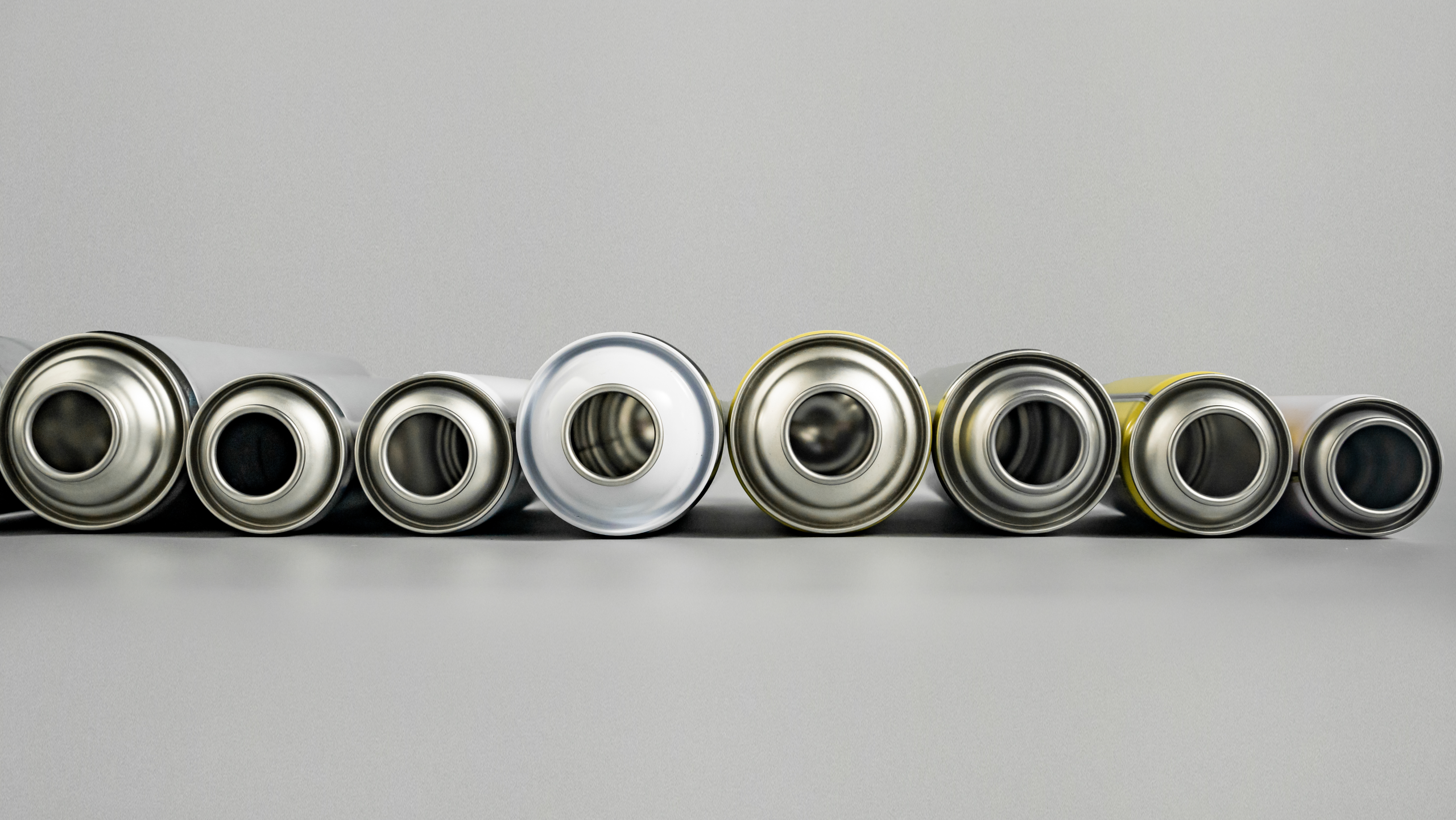
Why Carburetor Cleaner Aerosol Cans Leak at the Shoulder: A Complete Guide to SCC Prevention in Tinplate Packaging
The Hidden Cost of Shoulder Cracking in Carburetor Cleaner Packaging For brands formulating strong solvent products, tinplate aerosol can shoulder crack issues are far more than a minor quality defect — they are a silent drain on profit and reputation. Carburetor cleaner aerosol tin cans face the highest risk of this failure mode, thanks to the high toluene and acetone content in most formulas. What starts as a tiny, invisible crack at the shoulder bend can turn into full batch rejection, customer returns, and damaged brand trust after months on warehouse shelves. Unlike pressure burst failures that show up immediately during production, carburetor cleaner can leakage from SCC develops slowly, often going undetected until the product is already in distribution. How to Identif...Learn more -
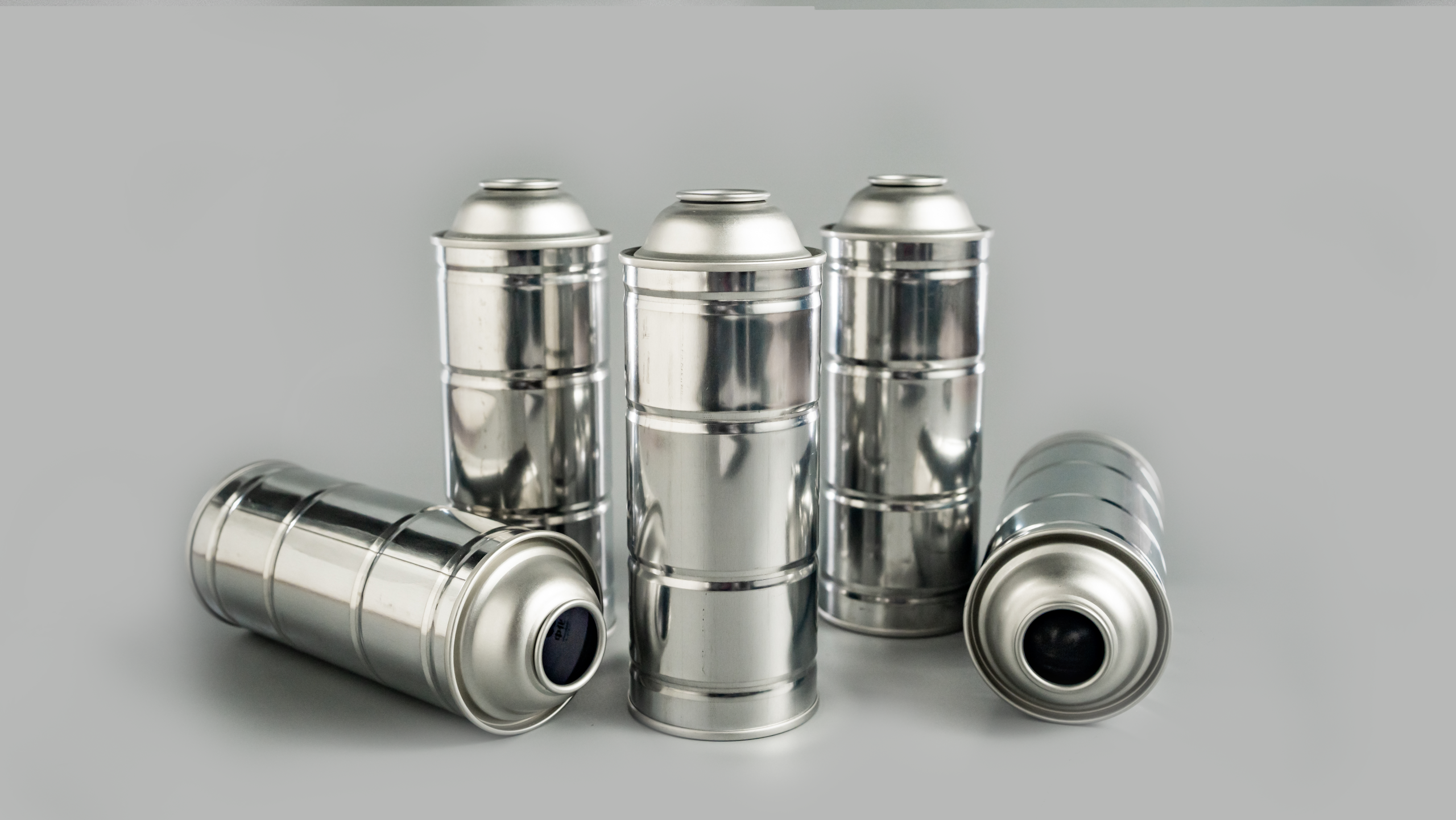
Aerosol Tin Can Filling Line Jamming? Here‘s Why Curl Diameter Doesn’t Match Your Filling Head
1. The Problem: Unplanned Downtime Killing Your Filling Line Efficiency Your aerosol filling line stops. Again. The alarm sounds. Production grinds to a halt. Your first instinct? Blame the equipment. Blame the line speed. But what if the real culprit arrived on the pallet before the first can ever reached the filling head? Most unplanned aerosol can filling line jamming issues are not caused by faulty machinery or operator error. They stem from hidden tinplate aerosol can manufacturing compatibility issues that most production teams overlook during quality checks. Persistent filling line downtime aerosol creates far larger losses than most plant managers realize. A standard 200 CPM filling line that jams just three times per shift loses approximately 7,200 cans per day. Over...Learn more -
Anti-Silicone Creep Aerosol Cans:The Root-Cause Solution for Tire Shine Spray Label Failure
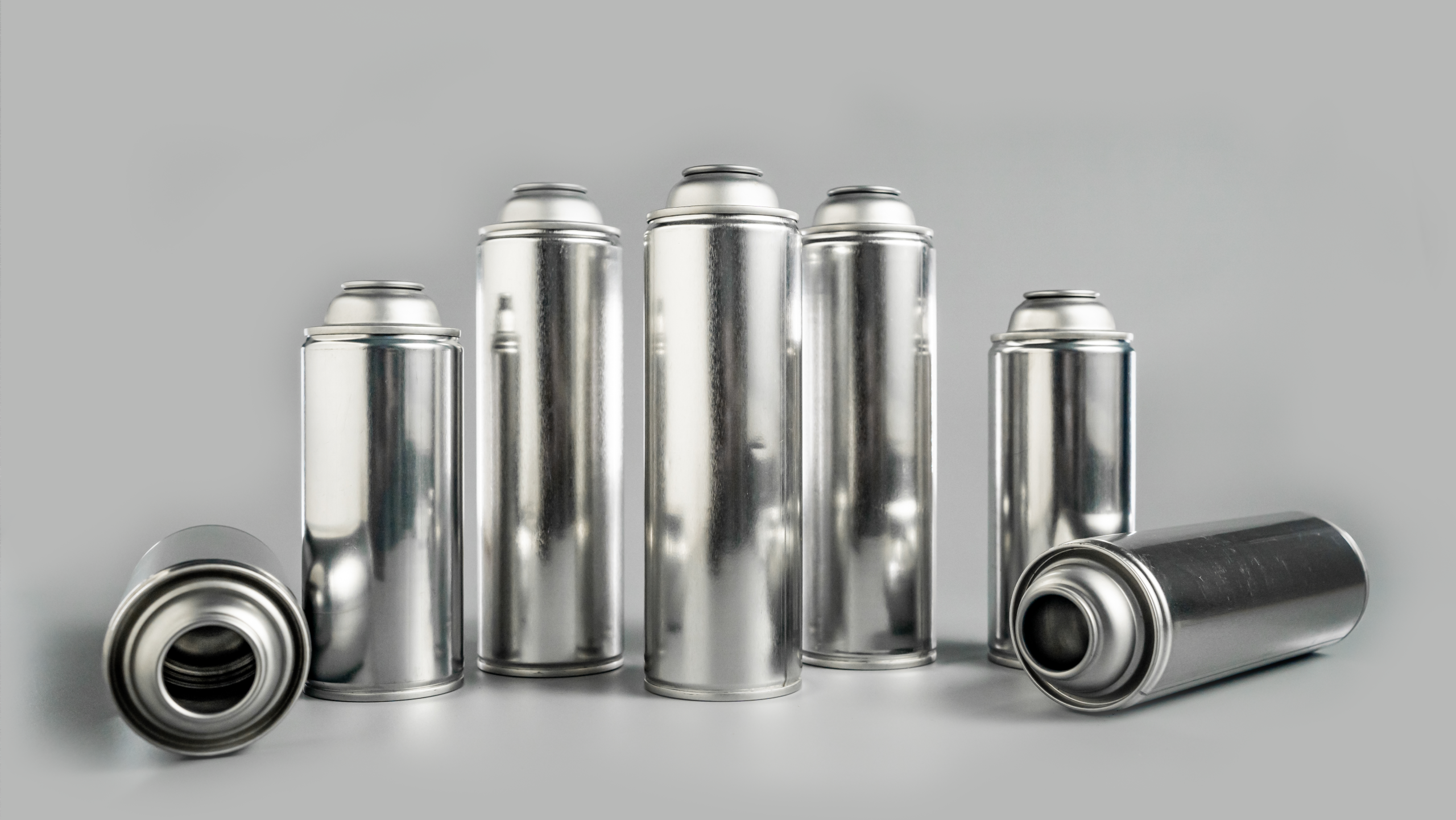
The Common Bulk Production Pain Point: Tire Shine Can Label Peeling & Rim Grease Most custom aerosol cans for tire shine manufacturers face an unsolved batch quality issue. Finished silicone tire shine spray can products pass factory inspection smoothly, yet develop greasy can rims and loose labels after storage and shipping. Silicone oil creep on aerosol can valve is the real culprit behind unstable labeling quality, rather than glue or labeling machine defects. Many production teams waste costs on replacing adhesives and adjusting labeling parameters. These adjustments only deliver temporary improvements. In high-temperature storage and long-distance bulk transportation, aerosol can label adhesive failure silicone occurs repeatedly, causing batch returns and brand reput...Learn more -

spray paint aerosol tin can: Complete Solution for Poor Suction and Color Difference Caused by High-Solid Pigment Sedimentation
Many industrial coating manufacturers struggle with consistent spraying quality despite premium pigments, precise formula ratios, and standardized production processes. Frequent color inconsistency, poor liquid suction, and excessive bottom residue are common after-sales issues. The real cause of high solid paint sedimentation problem in aerosol cans is rarely the paint formula itself, but the inherent structural flaws of traditional aerosol cans. The professional aerosol can bottom design for anti-settling developed by SAILON completely solves the industry pain points of uneven mixing, suction blockage and batch color difference through structural upgrading. The Overlooked Truth: How Can Design Dominates High-Solid Spray Paint Performance High-solid industrial spray paints a...Learn more -

Solve Color Difference and Pitting on Tin Aerosol Can Caps, Preserve Display Texture and Brand Value for Cosmetic Spray Products
Walk into offline beauty stores, and you will find that the market performance of similar spray products often hinges on tiny details. One tin aerosol can cap features uniform and glossy coating with premium metallic luster; while another cap of the same specification suffers from uneven color and dense tiny pits. Most customers make their purchase decision at first glance. As a matter of fact, the brand image of high-end cosmetics is closely linked to packaging quality. Various surface defects on coating of cosmetic spray can caps will downgrade product perception step by step and shrink the premium value that brands deserve. 1. Tiny Packaging Defects Lead to Comprehensive Brand Loss 1.1 Visual Impacts in Different Display Scenarios Spotlights in beauty counters, white li...Learn more -
Tinplate Necking Cans – Eliminate Neck Cracks: Elongation & Multi-stage Necking
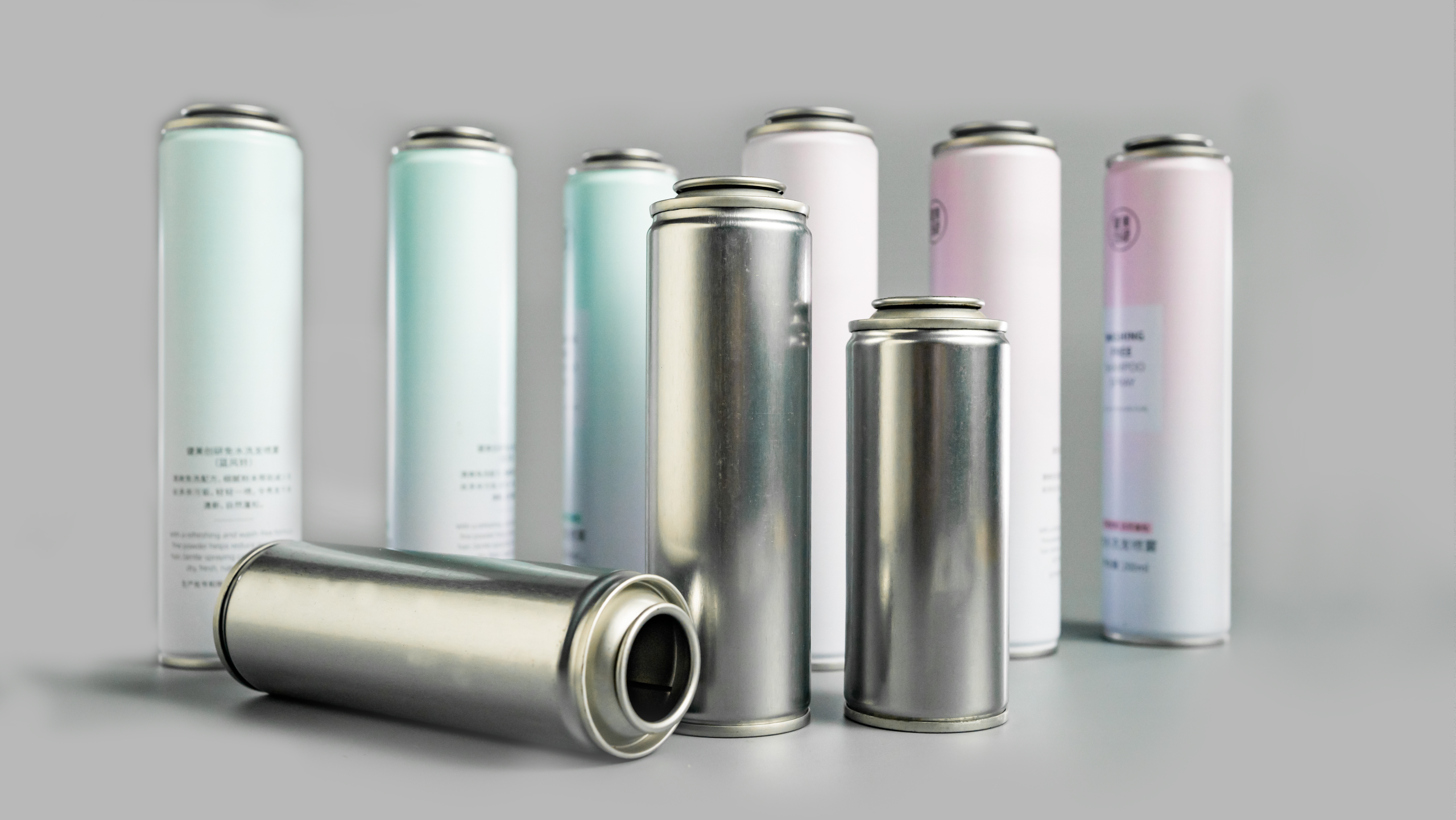
Introduction In the mass production and processing of tinplate necked cans, the necking process is a core link that determines the forming qualification rate and sealing performance of can bodies. Many cans gradually show problems such as unstable wall thickness, tiny wrinkles and hidden cracks at the neck position after necking forming, filling and sealing. These defects rarely appear defective when products are off the production line, but most of them occur during warehousing, transportation and end use, easily leading to batch scrapping, order delays and damaged quality reputation. Especially with the rising demand for lightweight and customized special-shaped cans in recent years, the combination of ultra-thin materials and complex necking shapes has plunged many manufactur...Learn more -
Final Solution to Valve Blockage of Tire Repair Cans: Large Flow Channel Valve & Internal Can Cleanliness Control
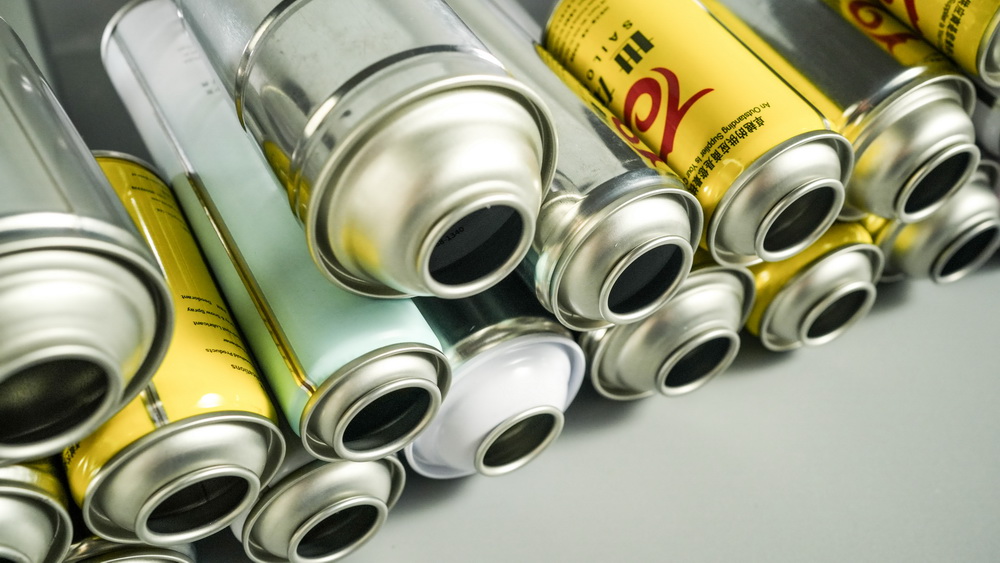
I. Four Core Causes of Valve Blockage for Tinplate Tire Repair Aerosol Cans 1.1 Mismatch Between Particle Size and Standard Valve Flow Channel Specifications The minimum flow aperture of mainstream universal aerosol valves is fixed at 0.3mm, while the filler fibers in conventional tire repair fluid have a particle size range of 0.15mm to 1.3mm. Coarse fibers exceeding the aperture size are easily stuck at the valve inlet. In fact, most formula developers only focus on the sealing effect of tire repair, ignoring the matching test of powder particle size and valve specifications. Isn’t this the core reason for frequent blockage of high-fiber formula tinplate tire repair aerosol can? 1.2 Material Sedimentation and Agglomeration Caused by Long-term Warehouse Storage Fluctua...Learn more -

Golden Aerosol Cans Turn Hazy and Whitened After Arrival? Don’t Check the Ink — The Root Cause Is the White Primer Blanking Process
Many procurement and quality control personnel often encounter a tricky inspection problem: customized golden tinplate aerosol cans and silver high-gloss cans feature perfect luster and flawless appearance when leaving the factory. However, after long-distance transportation, the can surface turns whitened and hazy with foggy white spots, looking like aged old products. This issue usually leads to severe consequences including full-container rejection, rework compensation and even supplier elimination from the brand’s supply chain. Most partners will first suspect ink quality defects upon receiving goods. Yet professional on-site tests always confirm that the ink layer maintains perfect adhesion, abrasion resistance and color fastness. Whitening and hazing on the exterior of printe...Learn more