Welcome to Foshan SAILON Tinplate Printing & Can Making Co., Ltd.


News
-
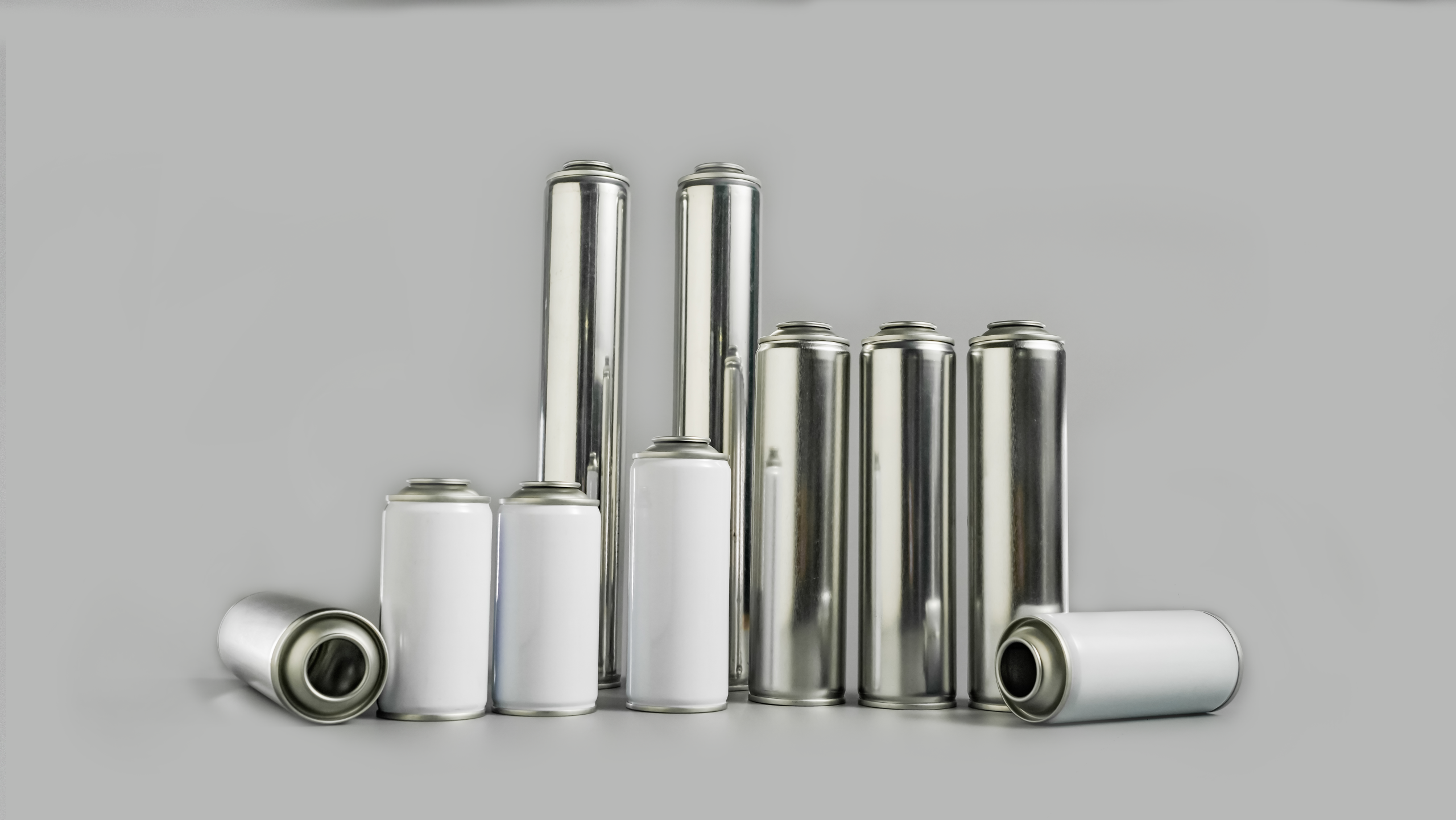
Necked-in vs Straight-Wall Tinplate Aerosol Cans: Why Strength Differs by 30% Under the Same Design
Batch structural damage often occurs to tinplate aerosol can after long-distance container transportation. A recent deodorant can shipment suffered severe bottom bulging and body denting on straight-wall cans, resulting in full-batch rejection. The aerosol industry universally pursues lightweight production and tinplate material savings. However, simple wall thinning always compromises transportation pressure resistance. This creates a common dilemma for aerosol designers and manufacturers: balancing lightweight cost control and structural reliability. Real transportation conditions are far harsher than laboratory static tests. Superimposed stacking pressure and high-temperature internal pressurization easily trigger lightweight tinplate can dome reversal. Most teams st...Learn more -

Leather Care Aerosol Cans: Silicone Oil Causes Pressure Decay and Half-Can Spraying Failure
Many leather care practitioners encounter a common and troublesome problem: after leather care aerosol cans are launched on the market, frequent end-user complaints arise. The spray fails to produce a uniform mist and only releases thin streams when half or one-third of the product remains, completely losing its practical effect. This is a prevalent after-sales pain point in the leather care industry. Many people attribute the issue to insufficient propellant filling, but in fact, most cases of half-can failure and internal pressure loss stem from organic silicone oil, an essential ingredient in care formulas. With years of experience in custom silicone-resistant leather care aerosol cans, SAILON analyzes the root causes and fundamental solutions to this common industry problem bas...Learn more -
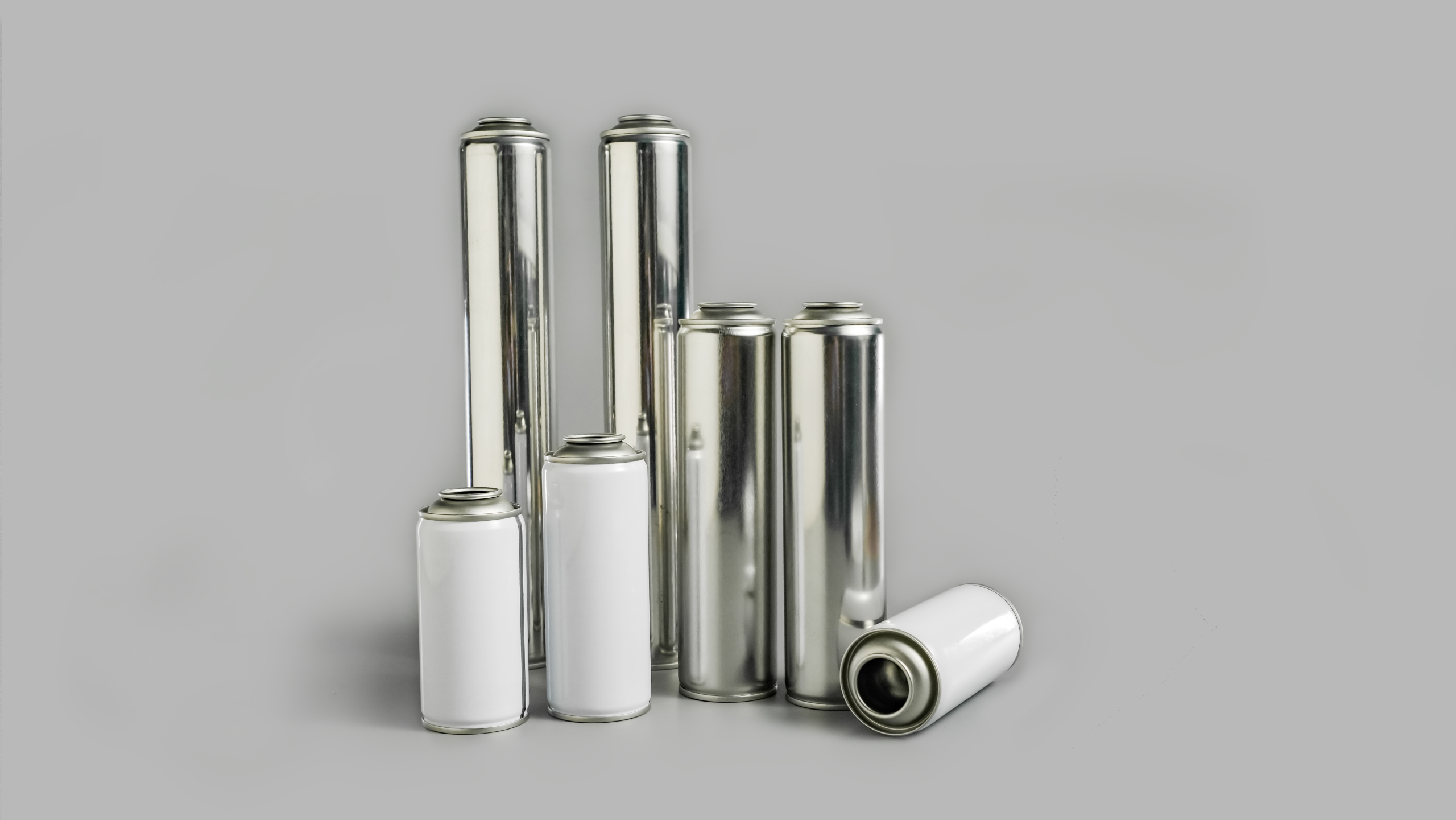
Industrial Release Agent Aerosol Cans: Residues Causing Mold Contamination and Skyrocketing Cleaning Costs
Most injection molding and die-casting enterprises face a hidden universal pain point. The common use of industrial release agent aerosol cans quietly increases production losses and reduces overall capacity. After investigating many small and medium-sized processing factories, we found that most workshops have to stop production to clean molds twice per shift, with each cleaning lasting 45 minutes, resulting in a cumulative production time loss of over 200 hours every year. Who would have thought that release agents, originally designed to assist demolding and improve product quality, have become the core cause of mold contamination, frequent cleaning and reduced production capacity due to residual scale? 1. Release Agent Residual Scale: The Hidden Production Loss Black Hole in...Learn more -
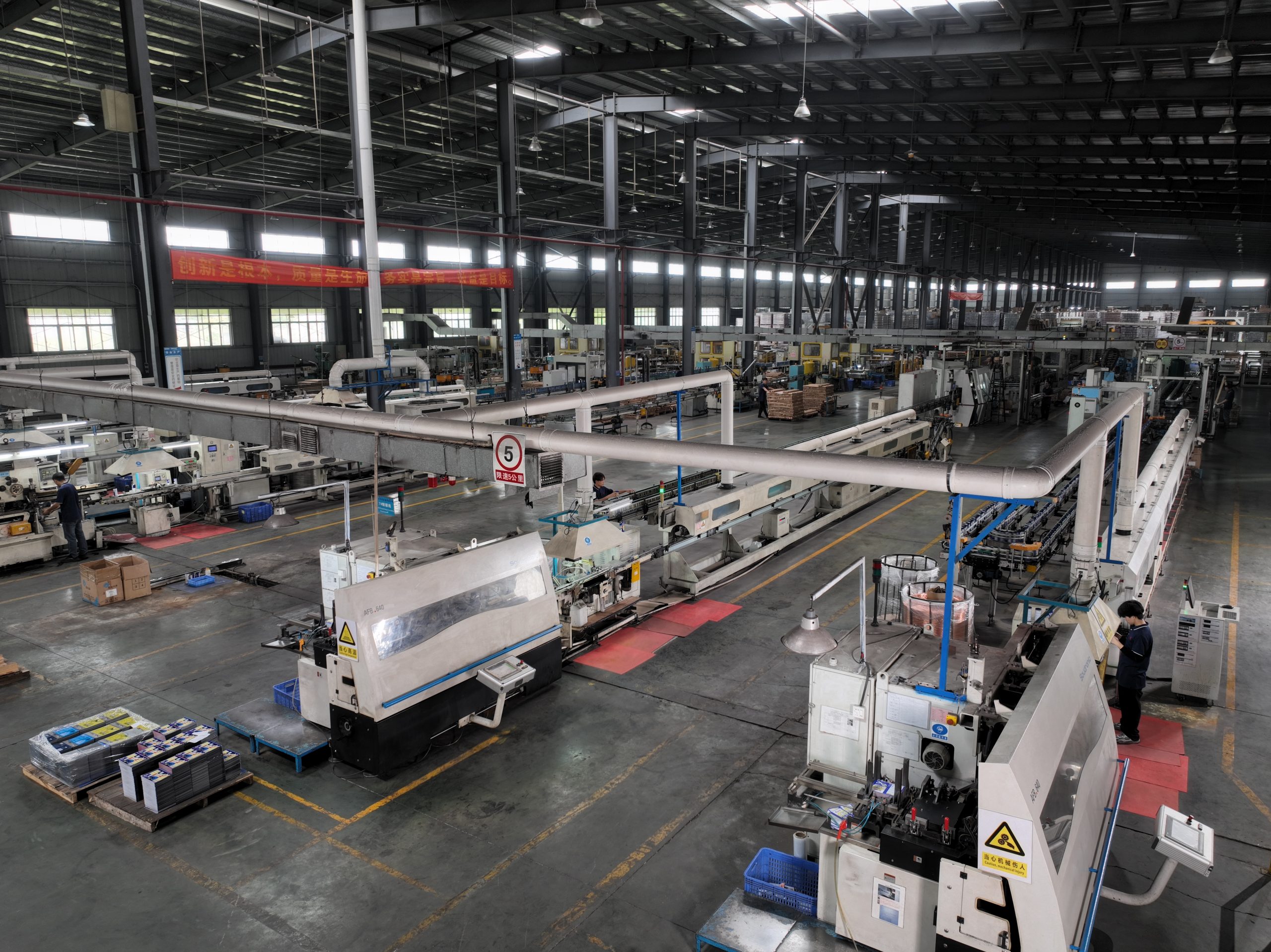
Premium Tinplate Aerosol Cans — Reliable & Durable Metal Packaging for Global B2B Clients
default As a professional and experienced manufacturer specializing in customized tinplate aerosol cans, we focus on providing high-standard, safe, and long-lasting metal packaging solutions for global B2B manufacturers, brand owners, and packaging distributors. Different from ordinary packaging containers, our tinplate aerosol cans are exclusively engineered for pressurized aerosol products, solving common industry pain points such as container deformation, liquid leakage, poor airtightness, and short product shelf life that trouble most aerosol product enterprises. With years of deep cultivation in the aerosol packaging industry, we have accumulated mature production experience and a complete quality control system, enabling us to deliver stable and reliable packaging products for...Learn more -
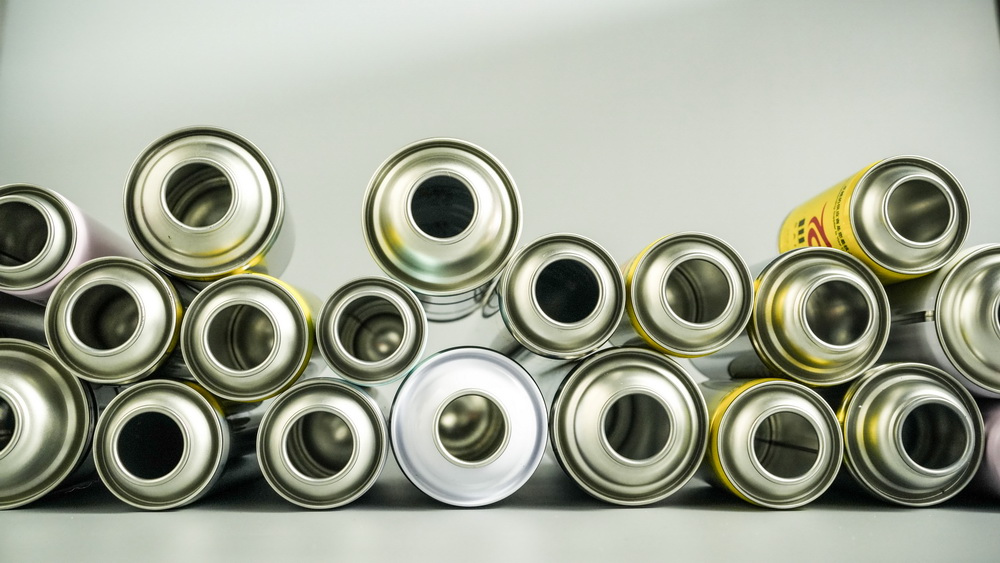
Hairspray Aerosol Can Discoloration Root Cause: Accelerated Test Method and Qualification Criteria for Inner Coating Swelling in High-Alcohol Formulations
Discoloration and off-flavor of hairspray and shaving foam aerosols during shelf life are mainly caused by ethanol-induced inner coating swelling failure of tinplate aerosol cans. When the ethanol content of the formula reaches 70%-95%, the inner wall coating of ordinary aerosol cans will swell due to solvent penetration, leading to reduced adhesion and iron ion migration that contaminates contents. The alcohol resistance of hairspray & shaving foam aerosol cans directly determines the long-term storage quality of cosmetic aerosol products. Based on Fick’s diffusion law, SAILON has established a 55°C/7-day ethanol accelerated swelling test system with four quantitative evaluation criteria, which can quickly predict the alcohol resistance of inner coatings and accurately evaluat...Learn more -

Aerosol Tin Can Neck Ovality Causing Slow Leakage? Infrared Laser Online Inspection and Production Line Rejection Solution
Excessive aerosol can neck ovality is a core hidden cause of shelf-life leakage and soaring seam leakage rate, as well as a frequent pain point in quality control for high-speed can production lines. With years of experience in custom tinplate aerosol can production and quality management, SAILON has found that most gasket sealing failure issues of aerosol cans stem from can mouth out-of-roundness and radial dimension deviation caused by necking deformation, rather than seaming equipment or sealing accessories. Many manufacturers invest heavily in optimizing back-end filling and sealing processes, yet ignore the source control of front-end necking deformation, ultimately leading to mass defective products and frequent after-sales complaints. 1. Core Definition: What is Can Neck ...Learn more -
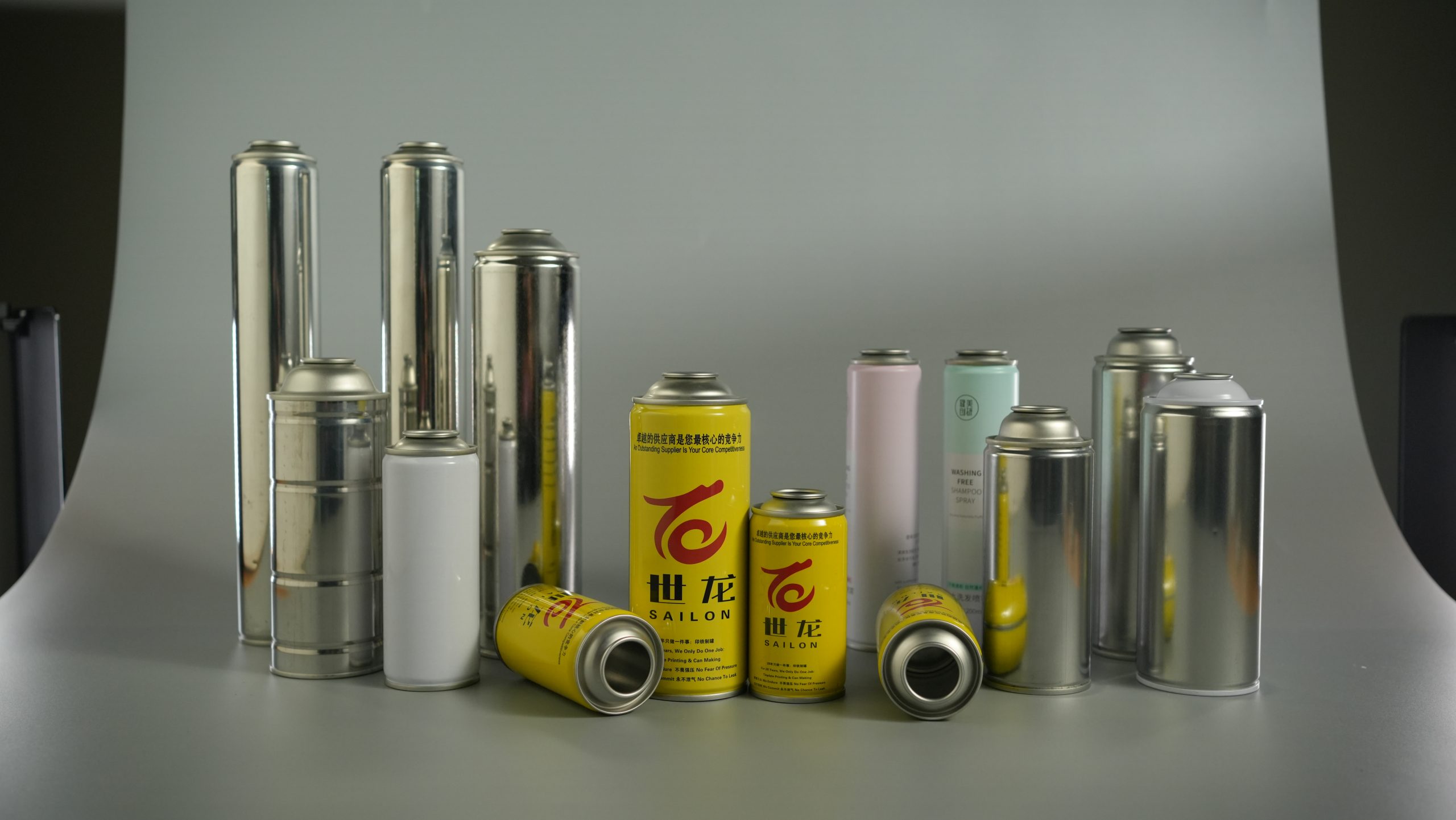
Tinplate Can Propellant Selection: Influence of LPG, DME and Compressed Air on Can Wall Thickness and Valve Accessories
In the field of aerosol packaging manufacturing, the structural design of tinplate cans is inseparable from the adaptation of propellants. Different gas media not only change the atomization effect of spray, but also directly determine the wall thickness standard, internal coating formula and valve sealing component selection for custom aerosol tinplate cans. With years of deep engagement in aerosol can R&D and production, SAILON has dealt with a large number of actual working condition cases. Many manufacturers only focus on appearance and capacity, ignoring hidden production troubles such as tank deformation, interface leakage and shortened shelf life caused by physical properties of propellants. Gas propellants are mainly divided into liquefied and compressed categories. ...Learn more -
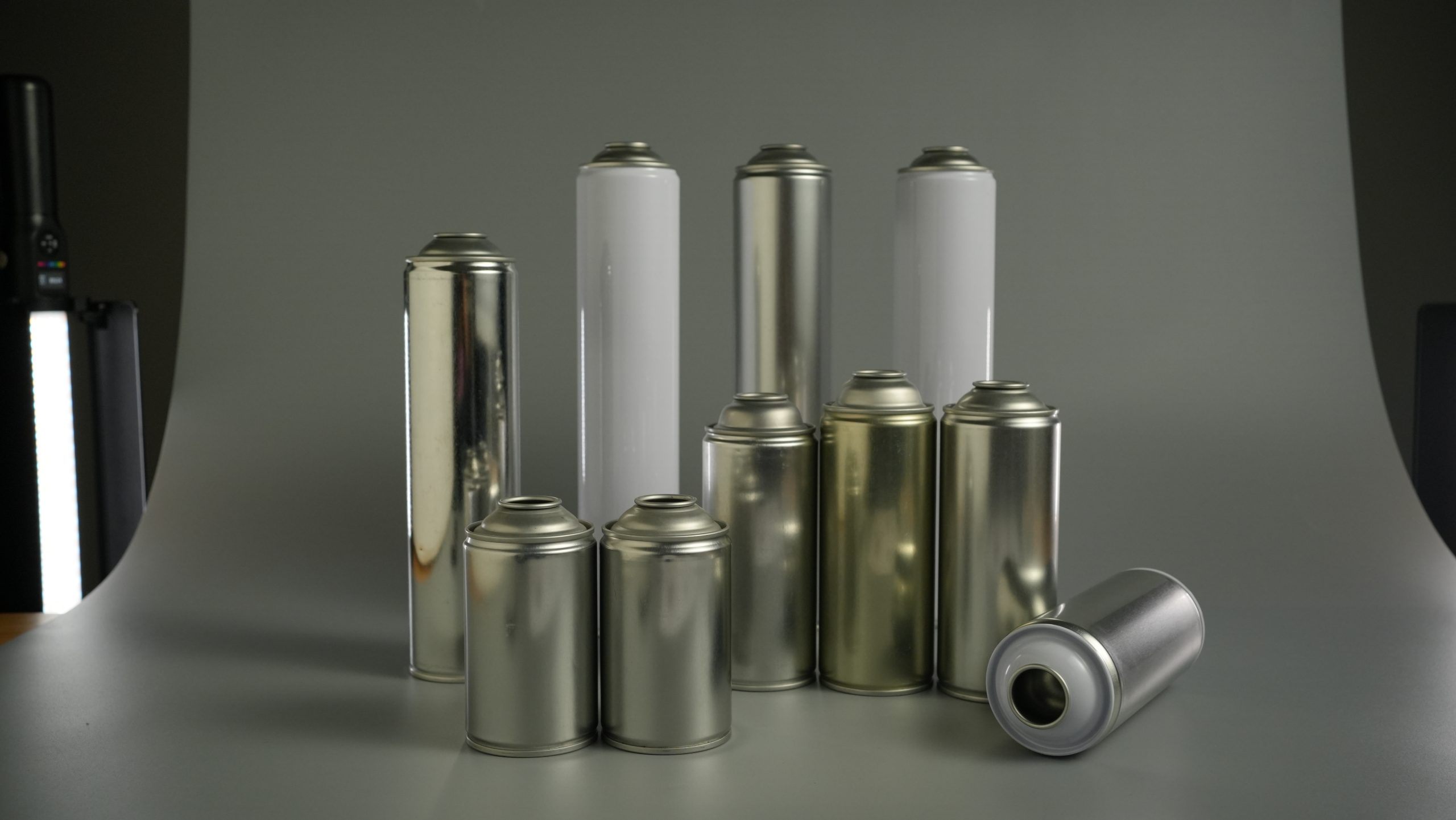
Automotive Metallic Touch-Up Paint Aerosol Can: Why Does it Clog? In-depth Anti-Settle & Atomization Tech Analysis
In auto maintenance and industrial paint renovation scenarios, frequent nozzle clogging and metallic paint precipitation of automotive touch-up paint aerosol cans not only affect construction efficiency but also lead to uneven paint color and reduced gloss. Many practitioners mistakenly attribute the problem to poor paint quality, but overlook that the key lies in the compatibility between tank structure, valve design and paint characteristics. Aluminum powder and mica powder in metallic paint have small Particle Mesh Size and much higher specific gravity than the resin system. Coupled with the modern pursuit of high Solid Content and appropriate Viscosity for metallic touch-up paint, particles are prone to agglomeration and precipitation after long-term static storage, eventually ...Learn more -
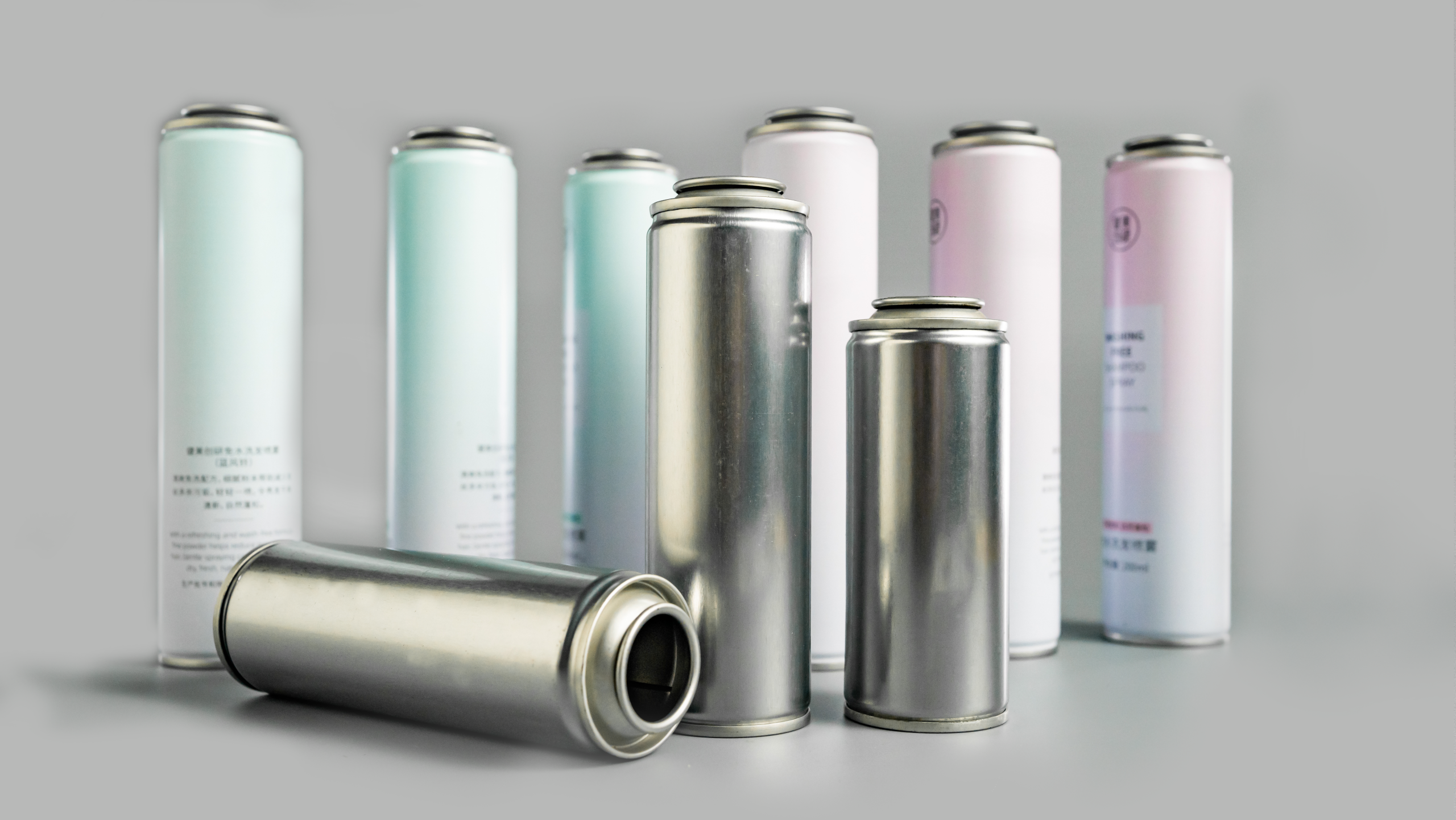
Automotive Tinplate Spray Cans: Dedicated Brake Cleaner Cans, Analyze the Industrial Value of High-Strength Tinplate
In auto maintenance, vehicle inspection and industrial equipment maintenance scenarios, automotive tinplate spray cans act as the mainstream packaging for high-pressure aerosol products such as brake cleaner and parts degreaser. Long-term exposure to highly corrosive chemical solvents, continuous internal high pressure, frequent workshop collisions and long-distance transportation wear make ordinary cans hard to maintain long-term stability. Why do mainstream maintenance brands and industrial manufacturers uniformly choose high-strength tinplate for brake cleaner packaging? Combined with practical production tests and long-term application experience, we can understand the core advantages of industrial-grade packaging from multiple dimensions including material structure, chemical ...Learn more -
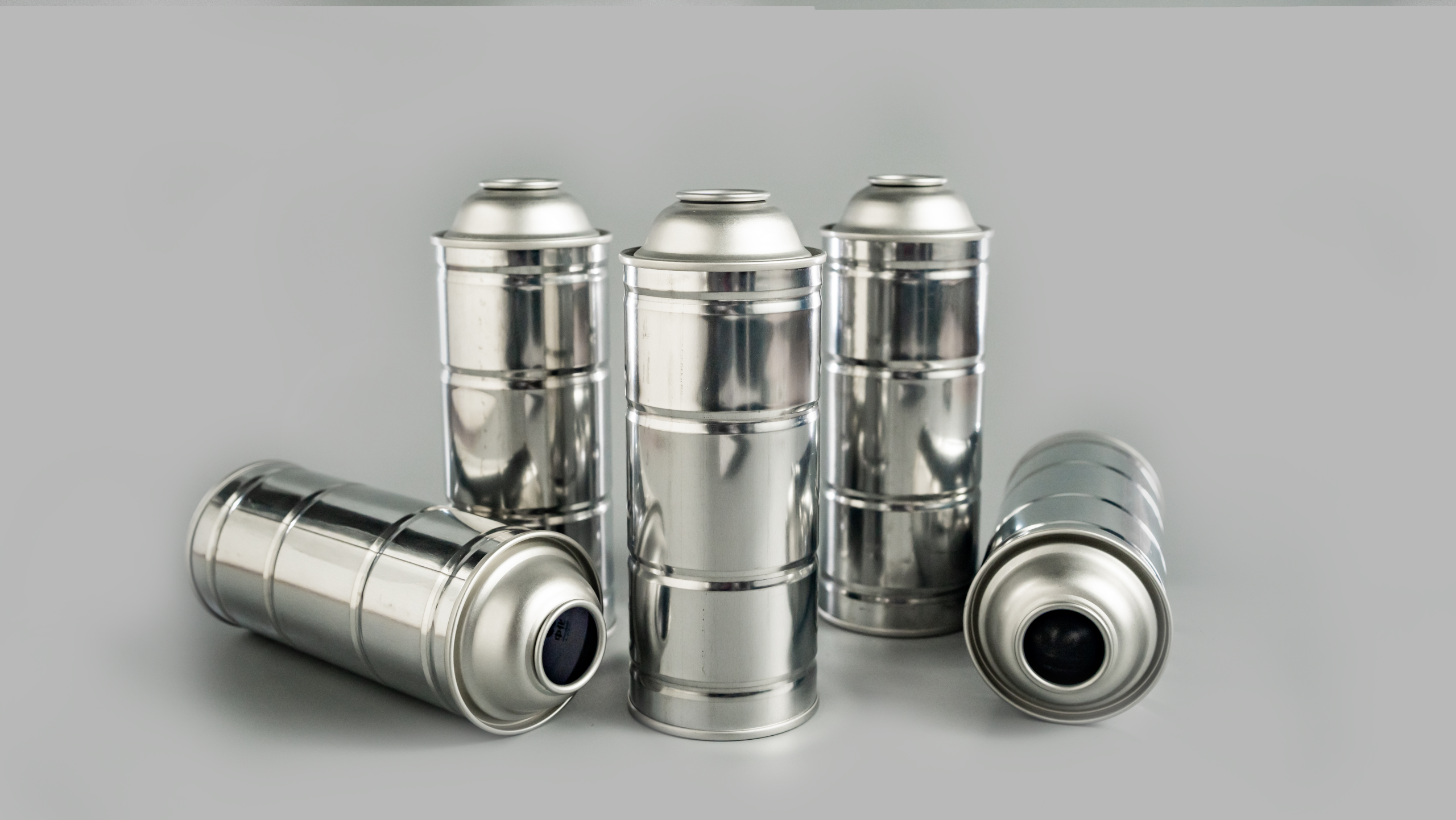
Aerosol tin can vs Plastic Spray Bottle: A Comprehensive Comparison of Recycling Rate, Carbon Footprint and Long-Term Performance
With the continuous upgrading of the packaging circular economy, spray products for daily chemical cleaning, fragrance care and car maintenance are re-evaluating the long-term value of container materials. Aerosol tin can has gradually become a core choice for many brands due to its stable material properties and mature recycling system. Most brands easily fall into the misunderstanding of “only focusing on procurement costs” when selecting materials, but ignore the life-cycle loss, environmental compliance and usage safety of containers. The gap between the two is far more than the surface material difference. Analysis of Real Recycling Rate: The Essential Gap Between Infinite Circulation and Downcycling The core value of material recycling lies in whether the or...Learn more