Welcome to Foshan SAILON Tinplate Printing & Can Making Co., Ltd.


News
-
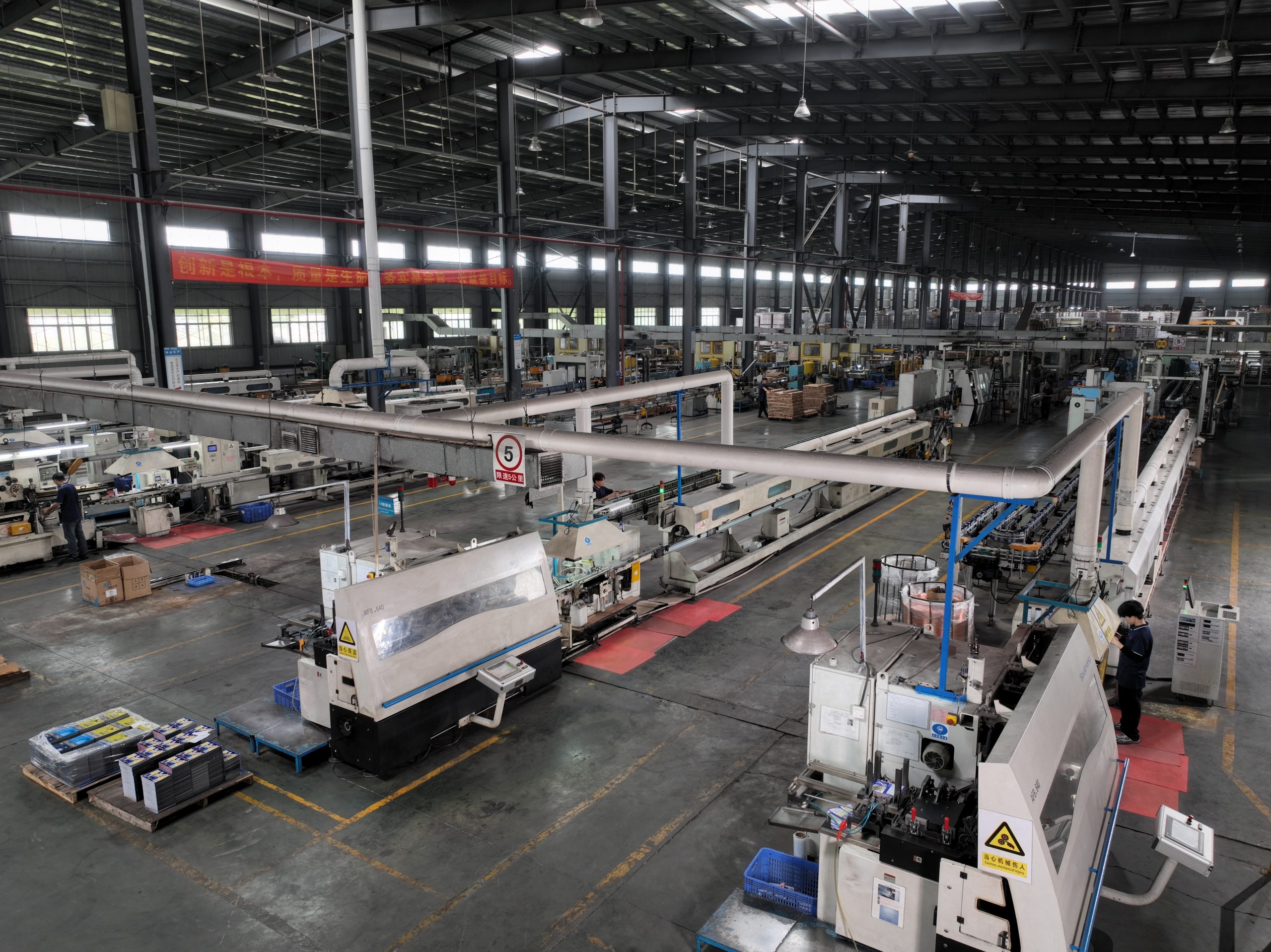
Why We Are the Preferred Dry Shampoo Can Factory for Global Brands?
For any hair care brand eyeing global shelves, picking the right dry shampoo can factory isn’t just a procurement choice—it’s a bet on your product’s first impression. With 17 years crafting tinplate aerosol cans for clients across 31 countries, we’ve gone from a local manufacturer to the name global brands reach for when they need packaging that works as hard as their formulas. Ever wondered why some dry shampoo cans just feel sturdier in hand? The secret’s in the tinplate details: we use 0.23mm food-grade tinplate, calibrated to an HV180 hardness—ideal for resisting transit dents without adding extra shipping weight. Our automatic assembly lines churn out 2,000 cans an hour, with seam tolerances held to 0.02mm; fun fact, that precision came from our engineers tweaking setting...Learn more -
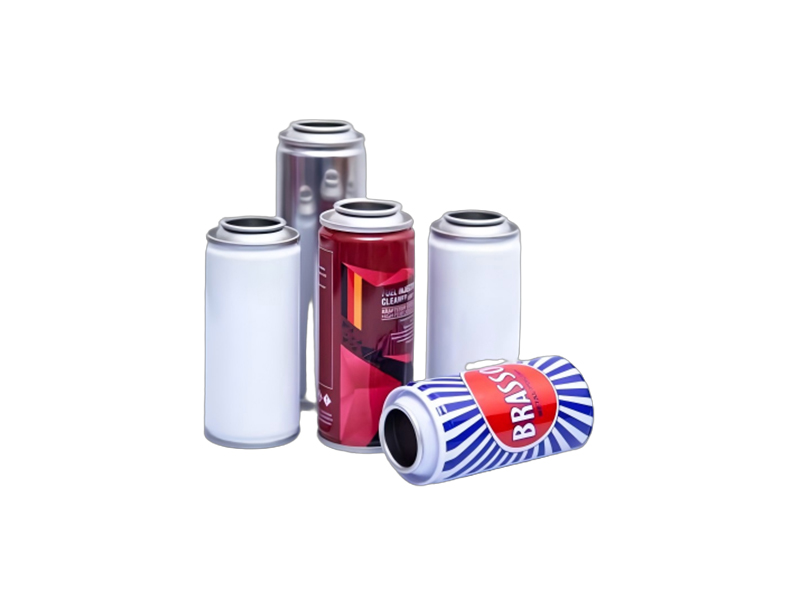
How to Choose the Right Tinplate Aerosol Can for Cosmetic Packaging?
Think about the last time you grabbed a hairspray, sunscreen mist, or shaving foam—what’s the first thing that registers about its packaging? For cosmetic brands, Tinplate spray packaging isn’t just a container; it’s a shield for formulas, a brand billboard, and a promise of safety. That’s why Cosmetic aerosol cans made from tinplate have become a go-to for many players in the beauty space—they balance performance, protection, and presentation in a way few materials can. And when it comes to finding a partner that delivers on all these fronts, SAILON’s expertise in tinplate aerosol can manufacturing has made it a trusted name for brands worldwide. Why Choose Tinplate for Cosmetic Aerosol Packaging? Ever wondered why tinplate stands out when it comes to holding pressurized cos...Learn more -
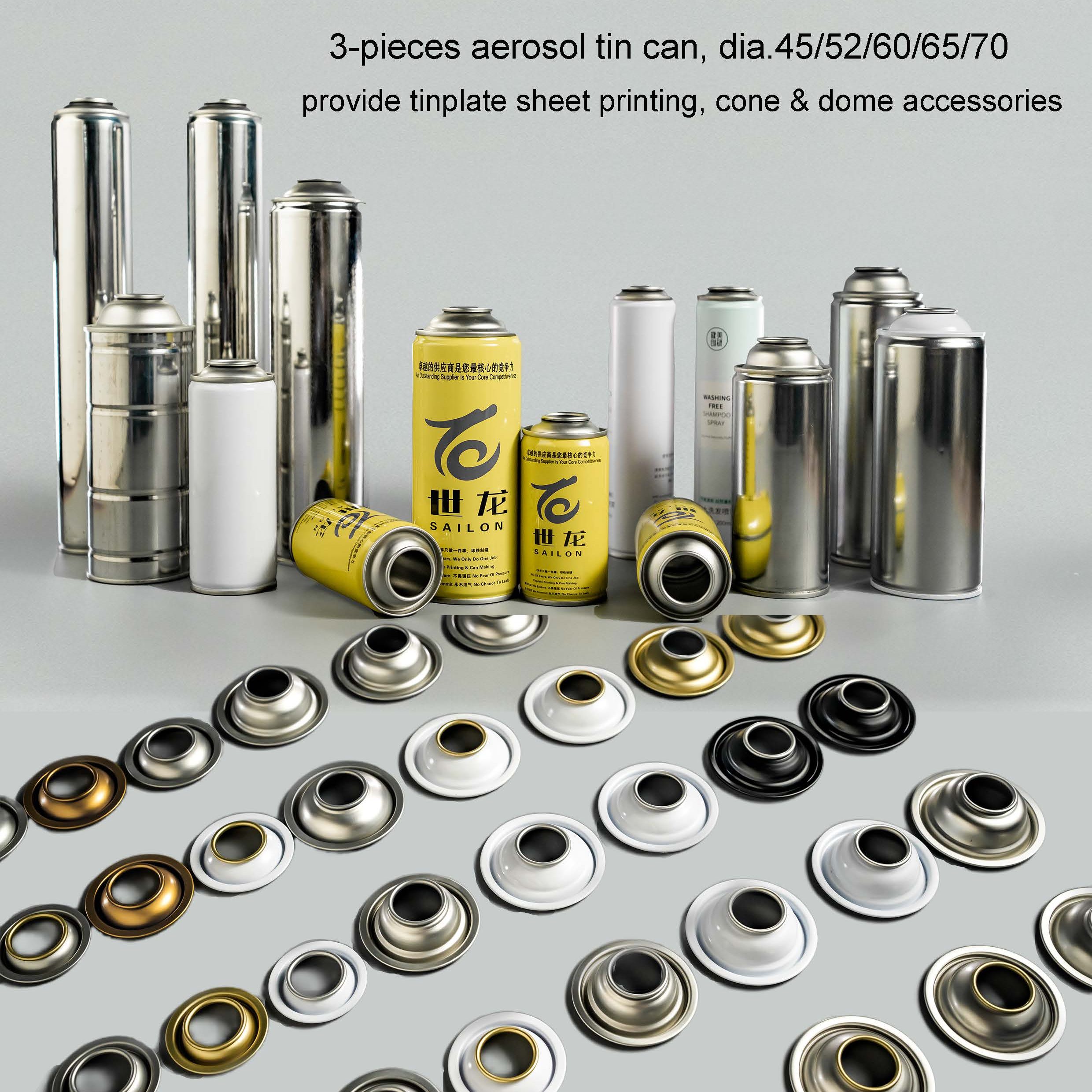
Aerosol Tin Can: 5 Dangerous Misconceptions 90% of People Don’t Know
When organizing the garage early in the morning, I spotted a few Aerosol Tin Cans piled in the corner—some empty insecticide cans and an unfinished rust-proof spray paint. It suddenly reminded me of the near-accident at my neighbor’s house last week: they casually left an aerosol can exposed to the sun on the balcony, which almost caused a hazard. This made me realize that the safety misconceptions about such daily necessities are really hidden in many people’s lives. The seemingly ordinary Aerosol Tin Can actually harbors many easily overlooked risk points. Today, let’s uncover 5 dangerous misconceptions that 90% of people are likely to fall for. Misconception 1: It’s okay to leave it in high-temperature environments and expose it to the sun? Do you often think “it should be...Learn more -
Deodorant Spray Can manufacturer: Crafting High-Quality Tinplate Aerosol Cans for Long-Lasting Freshness
Who doesn’t want a reliable deodorant spray to combat the sweltering summer afternoons, post-workout sweat, or crowded commutes? Behind every effective deodorant stands a professional Deodorant Spray Can manufacturer dedicated to craftsmanship. Having worked in custom tinplate aerosol can production for years, I’ve come to realize that a spray can is never just a “container”—it’s a key partner in maximizing a product’s efficacy and enhancing user experience. Interestingly, tinplate has become the preferred material for deodorant spray cans for good reason. Its sealing performance is like an invisible bodyguard, locking in the volatile ingredients of deodorant formulas and preventing subtle loss of effectiveness. Many people may have experienced a spray that fades in scent and pe...Learn more -

Aerosol Tin Can: Beyond the Basic Packaging – Trends, Challenges, and Smart Sourcing
Walk into any supermarket, and you’ll find them everywhere—from the deodorant and hairspray in personal care aisles to the insecticides and cleaning products in household sections. The aerosol tin can is a ubiquitous piece of modern packaging, yet its story is far more dynamic than its static presence on a shelf might suggest. The market, valued at around $12.7 billion in 2025, isn’t just growing; it’s evolving under significant pressure and innovation, projected to reach approximately $22.5 billion by 2035. So, what’s driving this change, and what does it mean for anyone involved in specifying or purchasing these containers? More Than Just a Can: Key Drivers Reshaping the Market The forces transforming the aerosol can industry are reshaping manufacturing priorities. It’s ...Learn more -

Why Aerosol Tin Can Remains the Top Choice in the Packaging Industry in 2025?
Walk into supermarkets, hardware stores, or beauty counters, and you’ll find aerosol tin cans everywhere—from kitchen grease cleaners and living room air fresheners to outdoor rust inhibitors and beauty styling sprays. As a classic and continuously upgraded packaging form, aerosol tin cans still maintain strong market demand in 2025, with the global market size expected to reach 19.2 billion US dollars and a stable annual growth rate of 5.3%. Today, we’ll explore the unique charm, application scenarios, and purchasing key points of this packaging. 1. Core Advantages of Aerosol Tin Can—Why It’s Irreplaceable? Top-tier Sealing Performance: Tinplate material combined with precision valve design effectively blocks air, moisture, and impurities, extending the shelf life of in...Learn more -

2025 Tinplate Hairspray Can Manufacturer: Core Advantages
In recent years, the beauty industry has continuously raised requirements for packaging practicality, appearance, and environmental friendliness. As an essential daily styling product, hairspray packaging directly affects product competitiveness. Tinplate Hairspray Can Manufacturers have become core partners of beauty brands due to their material advantages and flexible customization services. This article will analyze the core value of tinplate hairspray cans and answer common industry questions based on actual needs. I. 4 Core Advantages of Tinplate Hairspray Cans Compared with plastic, glass, and other materials, tinplate hairspray cans stand out in the following aspects: Top-tier safety performance: The inner wall adopts the latest food-grade epoxy resin coating in ...Learn more -
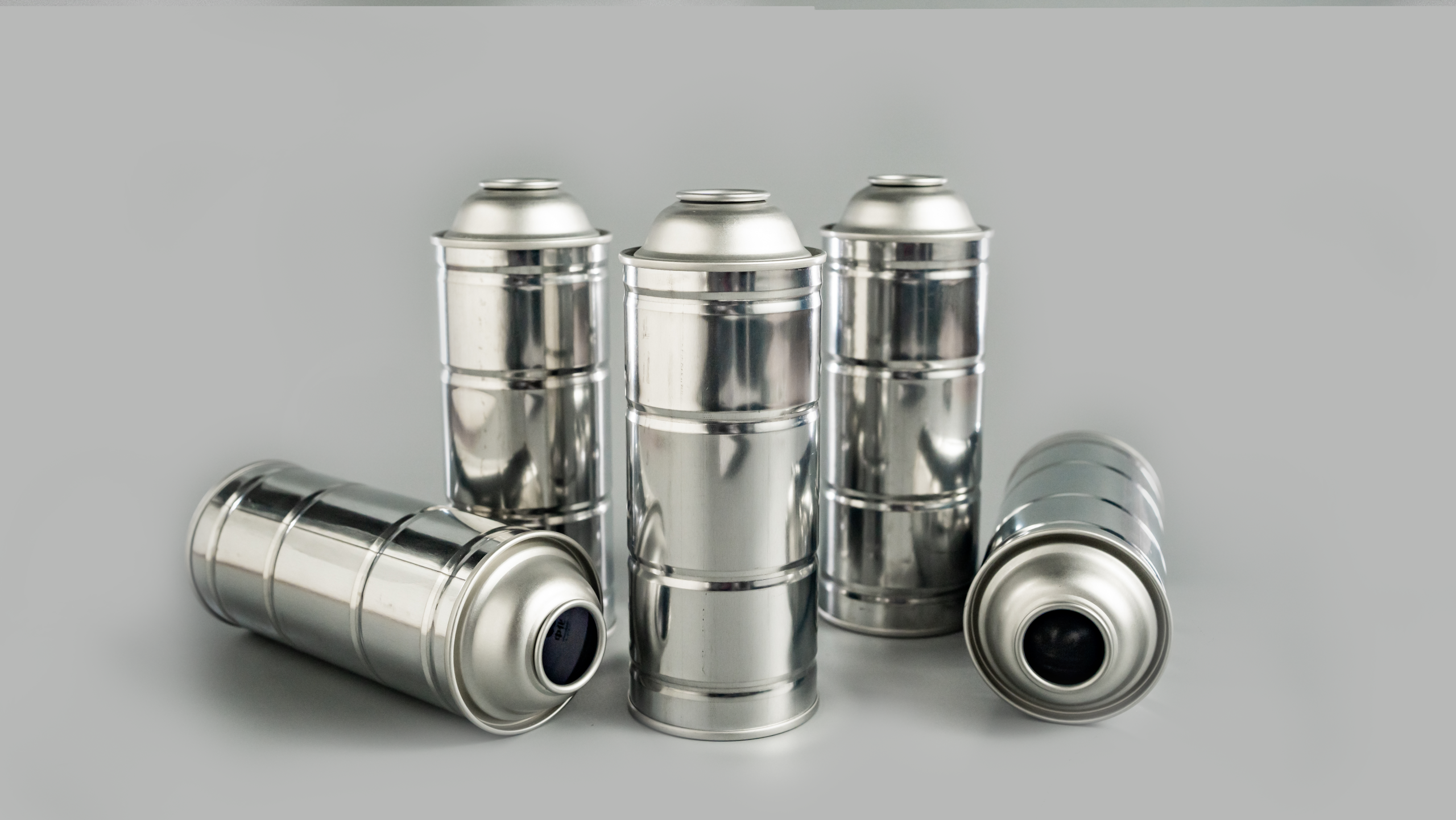
Custom Insecticide Cans: A Safe, Efficient and Scenario-Specific Packaging Solution
In agricultural planting, home protection and commercial disinfection fields, custom insecticide cans are no longer simple packaging containers, but key carriers to ensure product efficiency and enhance user experience. According to 2025 industry data, the global market size of custom insecticide spray cans has increased by 15.7% year-on-year. More and more enterprises have realized that customized cans adapted to product characteristics can effectively solve problems such as insufficient sealing, inconvenient use and poor safety of traditional packaging. Whether it is household mosquito repellent spray or agricultural-specific insecticide, personalized insecticide tin cans are becoming the preferred packaging in the disinfection industry with their precise adaptation advantages. ...Learn more -
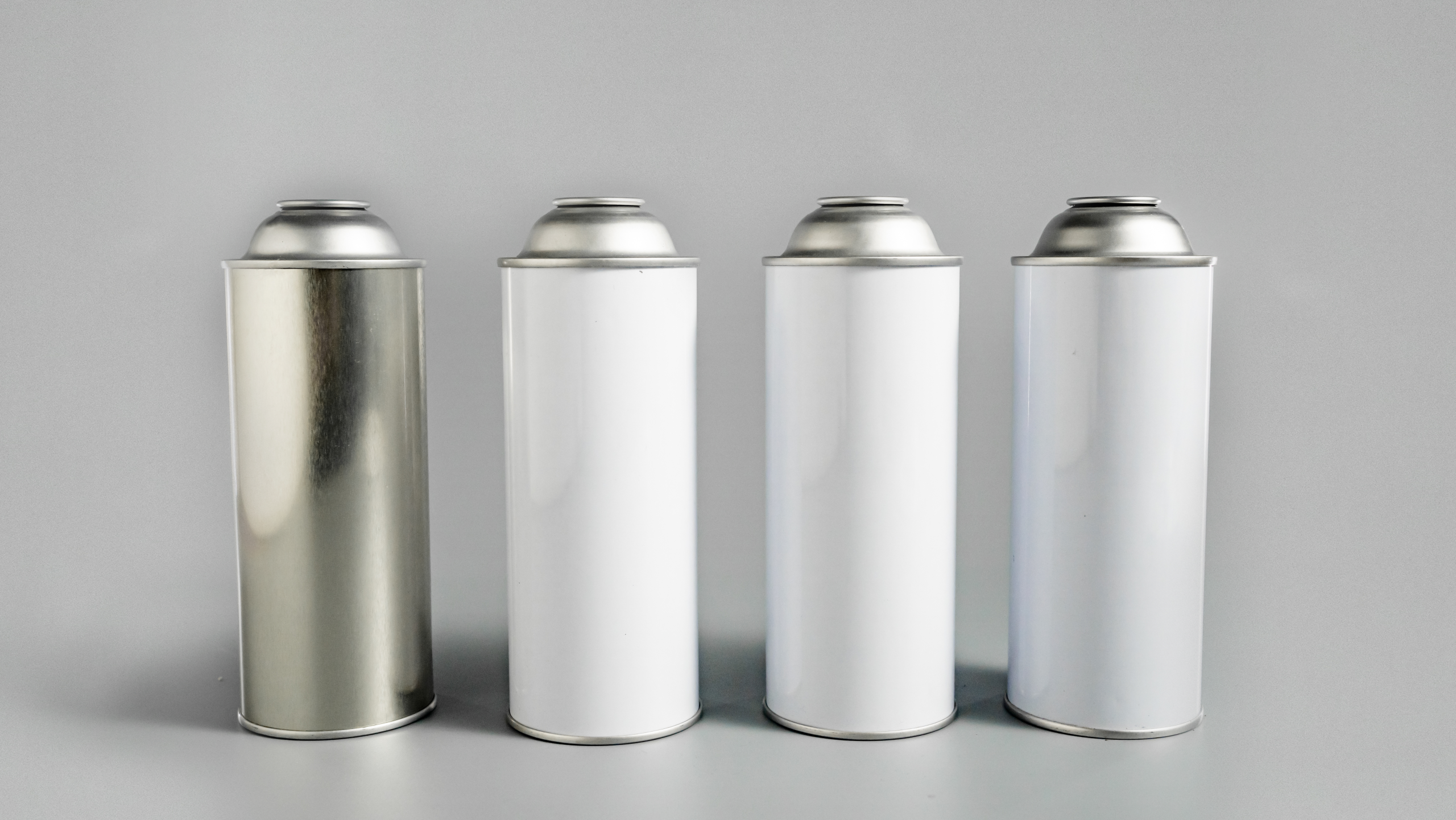
Custom Eco-Friendly Aerosol Tin Can – Ideal Multi-Scene Packaging
In daily life and industrial production, aerosol tin cans have long become an indispensable packaging solution. From hairspray cans in beauty and skincare, whipped cream cans in the food industry, to anti-rust spray cans in the industrial sector, this packaging carrier with excellent sealing and durability has become the preferred choice for enterprises worldwide, thanks to its continuously upgraded technology and environmental protection attributes. According to the latest 2025 packaging industry data, the global demand for custom aerosol tin cans has increased by 12.3% year-on-year, driven by enterprises’ dual pursuit of personalized packaging and sustainable development. 1. Core Advantages of Aerosol Tin Cans: Why They Are the “Evergreen Tree” in the Packa...Learn more -
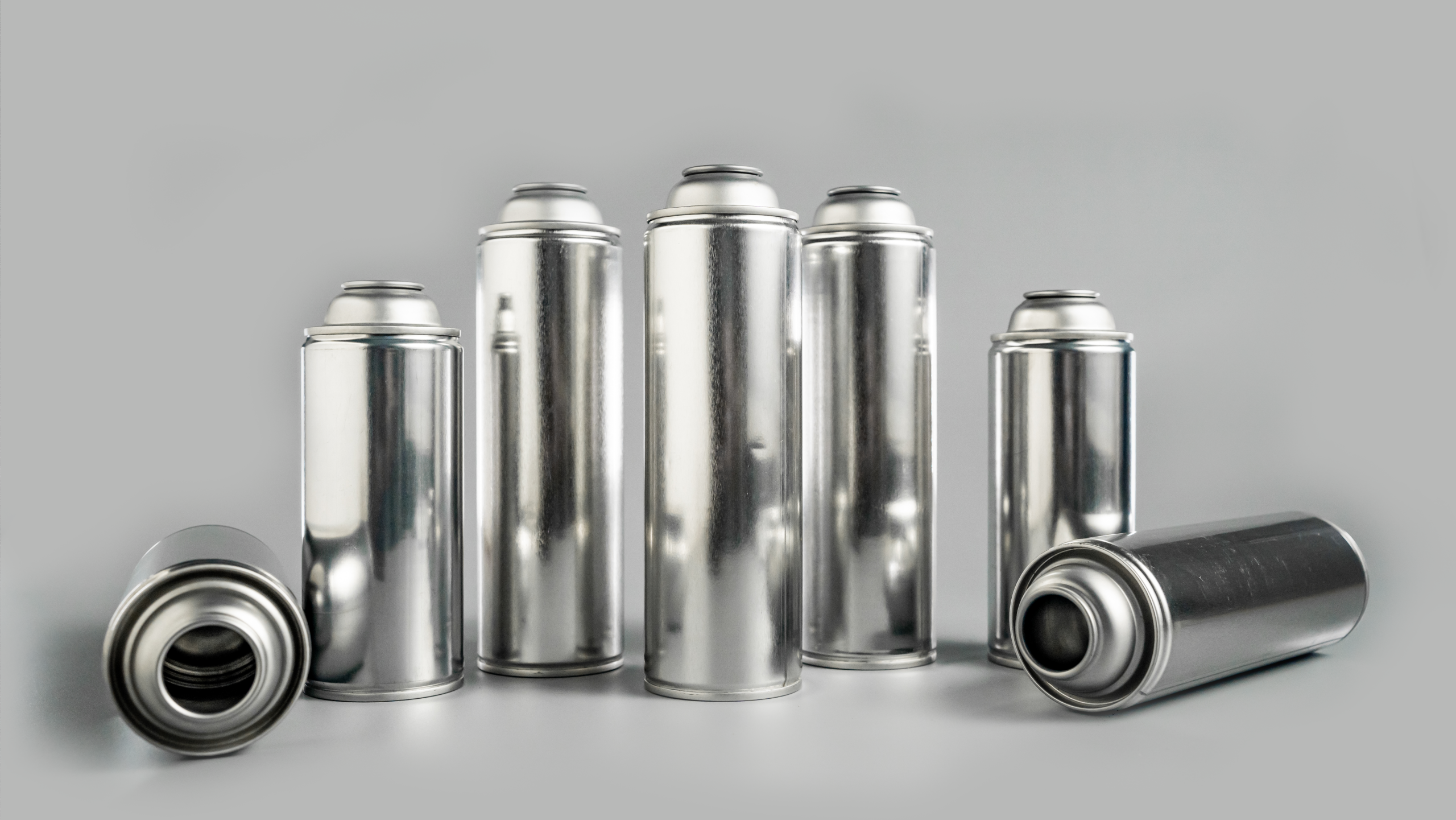
Aerosol Tin Can: 2025 Comprehensive Guide to High-Performance, Eco-Friendly Packaging
The global demand for aerosol tin can continues to soar, with the market expected to hit $48.6 billion by 2025, a year-on-year growth of 6.2% . What makes this packaging solution stand out? Unlike fragile plastic containers or costly aluminum alternatives, recyclable aerosol tin can combines durability, safety, and sustainability—attributes that resonate with both brands and eco-conscious consumers. From personal care to industrial applications, food-grade aerosol tin can and custom aerosol tin can are redefining packaging standards with 2025’s latest technological advancements. Core Advantages of Aerosol Tin Cans in 2025 Unmatched Safety & DurabilityCrafted from food-grade tinplate (0.23-0.30mm thickness), aerosol tin can withstands extreme temperatures (-40°C to 60°C...Learn more