Welcome to Foshan SAILON Tinplate Printing & Can Making Co., Ltd.


News
-
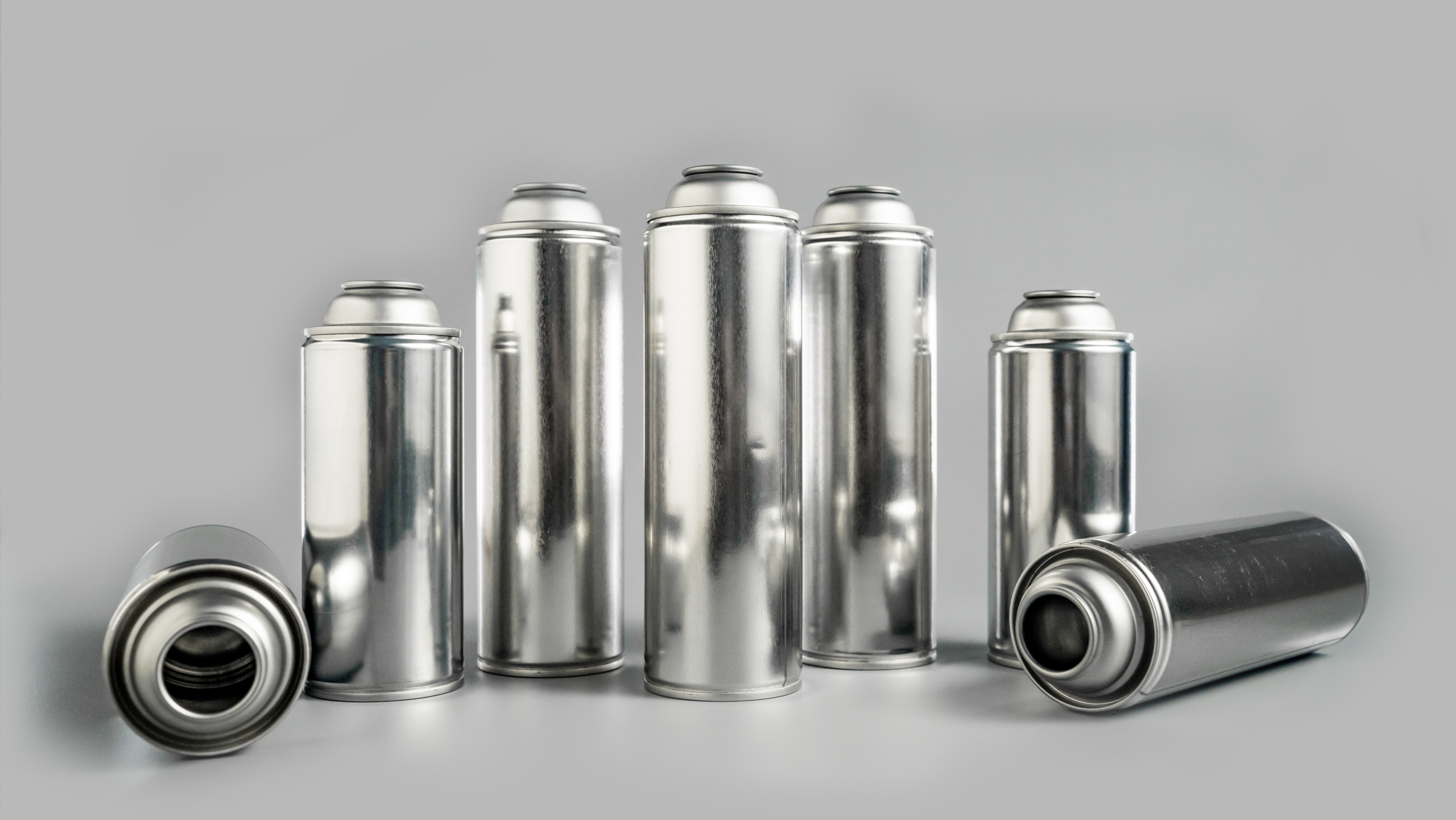
Aerosol Tin Can: Key Adaptation Points & Sizing Guide for Multiple Industries
From daily sunscreen sprays and air fresheners commonly used in daily life, to industrial cleaning agents and mechanical lubricants necessary in industrial production, and then to medical inhalers and disinfectant sprays in the medical field, Aerosol Tin Cans have been widely used in various industries as an indispensable packaging carrier for many products, relying on their core advantages of strong pressure resistance, good airtightness, recyclability and excellent protective performance. However, many enterprises often fall into the cognitive misunderstanding of “unified specifications” when purchasing Aerosol Tin Cans, ignoring the differences in usage needs of different industries and products, and blindly purchasing cans of general specifications. Finally, the can...Learn more -
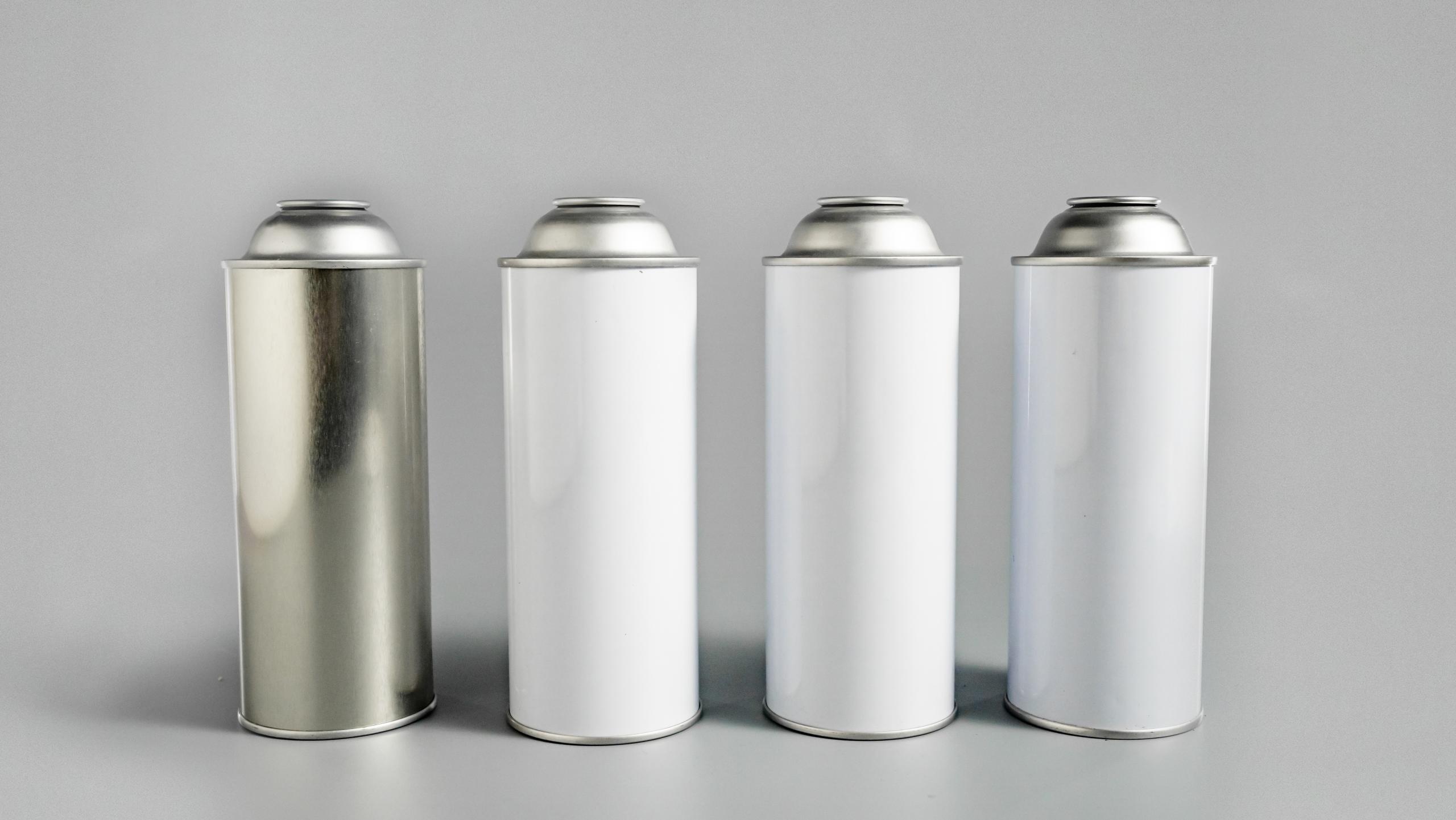
Tinplate Aerosol Can Weld Leakage: Root Causes & Solutions
In the production and use of tinplate aerosol cans, tinplate aerosol can seam leakage is one of the most troublesome core problems for many enterprises. Both small and medium-sized production enterprises and large brand suppliers have encountered such a dilemma: after a batch of custom-made cans is put into storage, leakage is found in some products during unpacking inspection. This not only causes direct waste of raw materials such as tinplate base materials and coating materials, delays the subsequent filling production progress, but also may lead to complaints and claims from downstream customers, directly damaging the enterprise’s brand reputation. More seriously, if the can is loaded with flammable, explosive or corrosive contents, leakage will also bring great potential...Learn more -
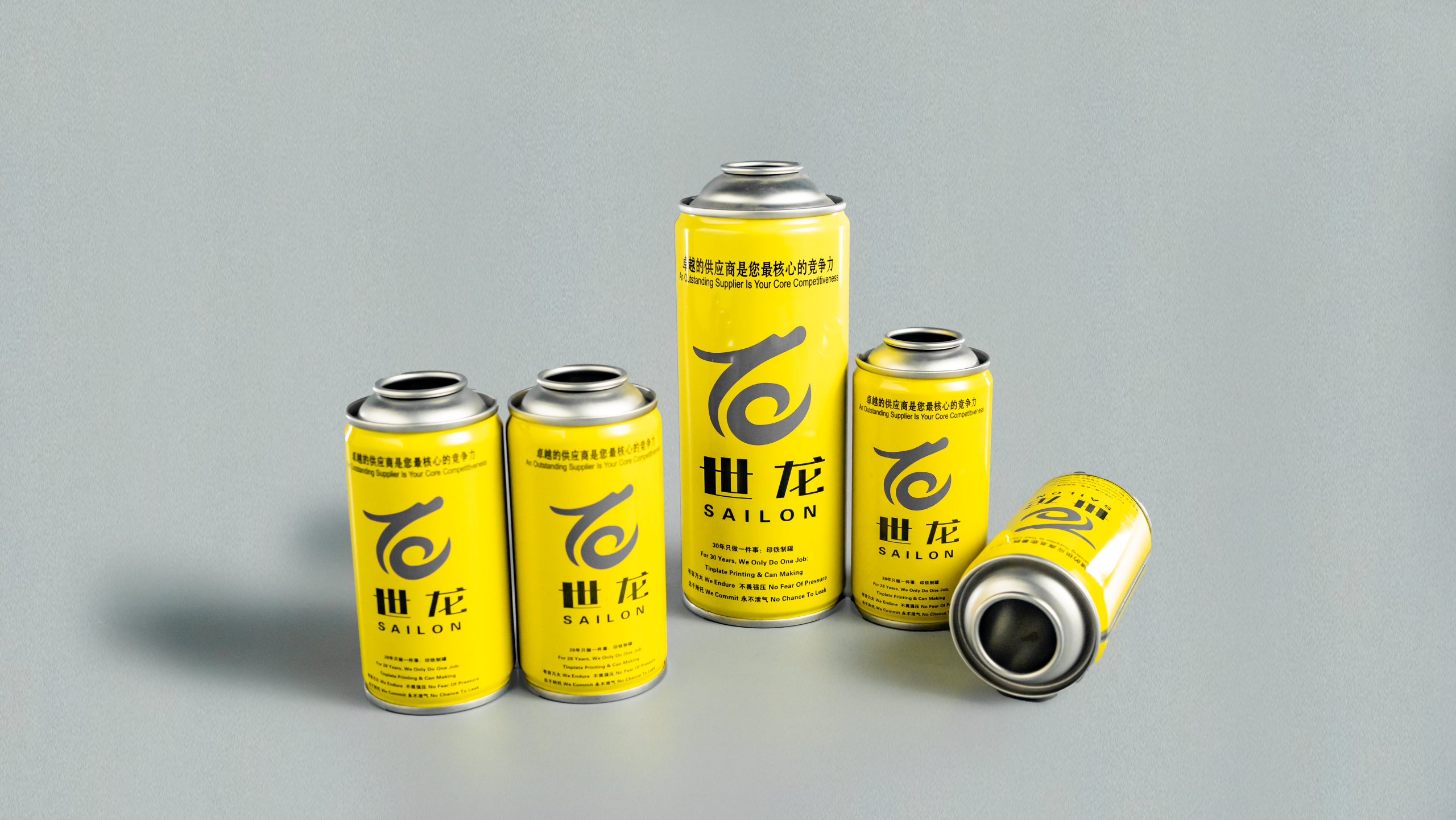
Aerosol Tin Can Standards Decoded: GB/T 13042-2008 vs. EN 15007 vs. UN Recommendations
As a procurement manager, have you ever faced customs delays, retail delistings or even safety incidents due to non-compliant aerosol can standards? The choice of Aerosol tin can Wholesale Suppliers directly determines compliance costs and market access success. Frankly speaking, the standards for tinplate aerosol cans on the market are complex, with three major systems—GB/T 13042-2008, EN 15007 and UN Recommendations (UN1950)—often causing confusion. How to accurately match business needs? As a professional manufacturer focusing on custom tinplate aerosol cans, SAILON helps customers solve such standard puzzles every day. Why is compliance the first lifeline? Imagine this: a batch of sunscreen spray cans arrives at an EU port but gets returned due to non-compliance with EN 1...Learn more -
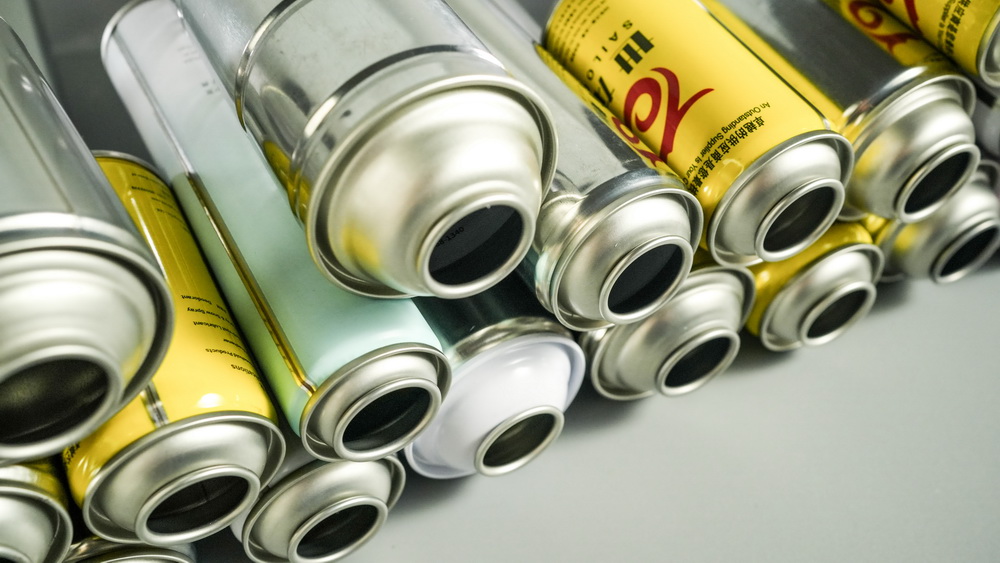
Household Aerosol Cans: Tinplate Packaging for Air Fresheners, Insecticides and Cleaning Sprays
For brands and filling factories focusing on home care products, Household Aerosol Cans are never just simple containers—they are the core carrier of product safety, brand image and market competitiveness. The global household aerosol market reached a valuation of $12.85 billion in 2026, and is projected to grow at a CAGR of 7.25% to $23.75 billion by 2032. The insecticide aerosol segment is expanding at a 5.8% CAGR, driven by growing demand for vector-borne disease prevention, while the global aerosol can market hit $12.56 billion in 2025, with a 5.7% CAGR pushing it to $20.71 billion by 2034. Many home care brands often struggle with mismatched packaging and formulas, poor can durability, or non-compliant product standards, and choosing professional custom Household Aerosol Cans ...Learn more -
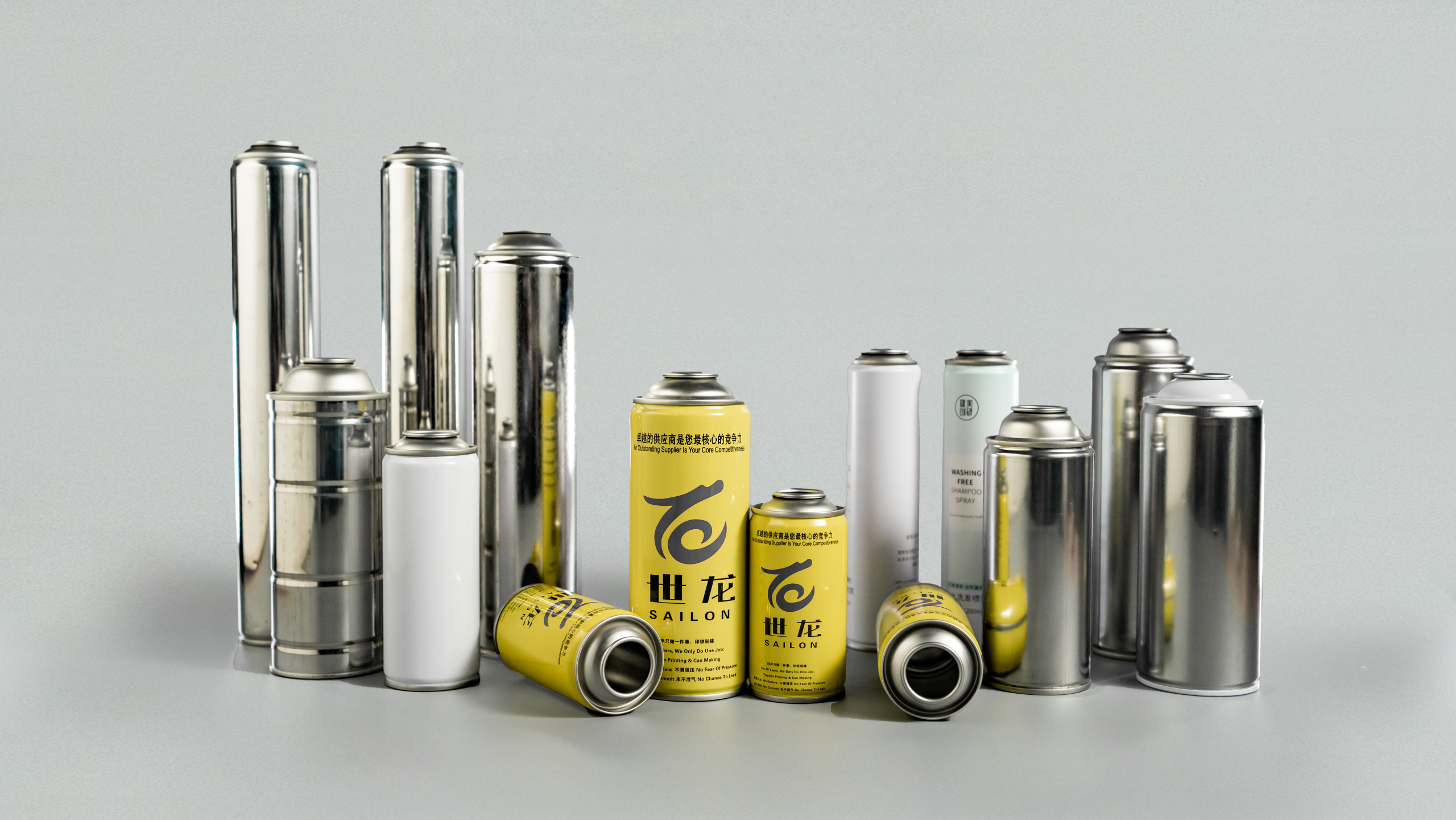
Aerosol Tin Can: 3-Piece vs 2-Piece – Which Suits Your Filling Line?
Choosing the right Aerosol Tin Can is a decision that directly impacts your production efficiency, product quality, and long-term operational costs—yet many buyers overlook the critical role of can structure. Whether you’re looking for Custom Aerosol Tin Can solutions or standard models, understanding the differences between 3-piece and 2-piece options is key to avoiding costly mismatches with your filling line. This guide breaks down their nuances, with real-world insights and expert advice to help you make the best choice. Let’s start with the 3-Piece Tinplate Aerosol Can, a workhorse in industrial and commercial applications. As the name implies, it consists of three separate components: a cylindrical body with a visible welded side seam, a separate top, and a bottom. The wel...Learn more -
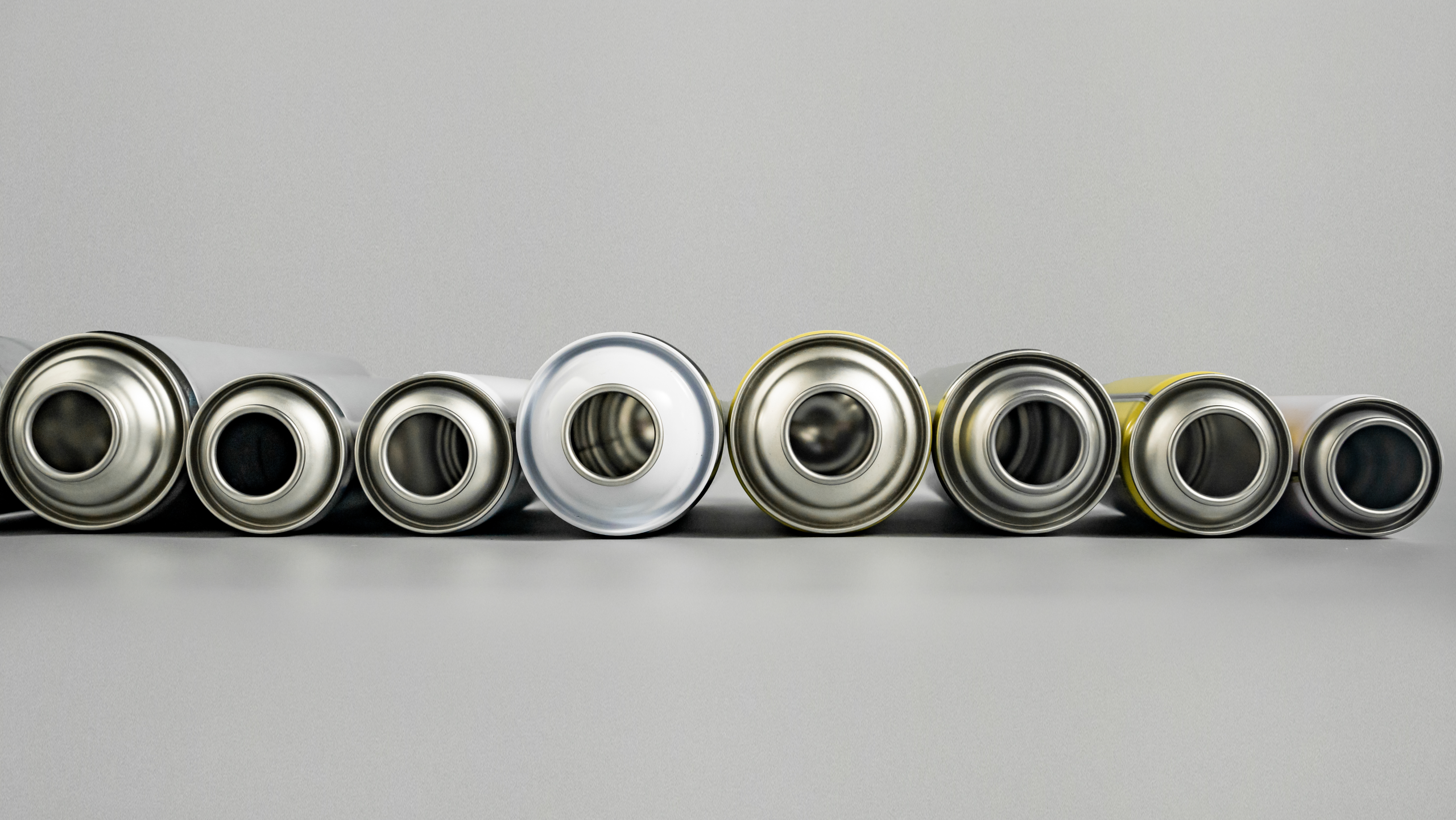
Tinplate Aerosol Cans: How to Source for Insecticides and Comply with Strict Chemical Resistance Standards
For insecticide product packaging, tinplate aerosol cans are the most widely used container carriers. To ensure finished products remain stable during long-term storage and transportation without leakage, swelling or rust, sufficient efforts must be made on chemical resistance. Most insecticide formulations contain xylene, D-limonene, ketone solvents and propane-butane propellants, which will continuously erode ordinary cans, making this the most easily overlooked core risk when sourcing insecticide tinplate aerosol cans. SAILON has long been engaged in the R&D and production of custom tinplate aerosol cans, accumulating a large number of actual measurement data for highly corrosive formulations such as insecticides, helping purchasers avoid brand losses and potential safety ha...Learn more -
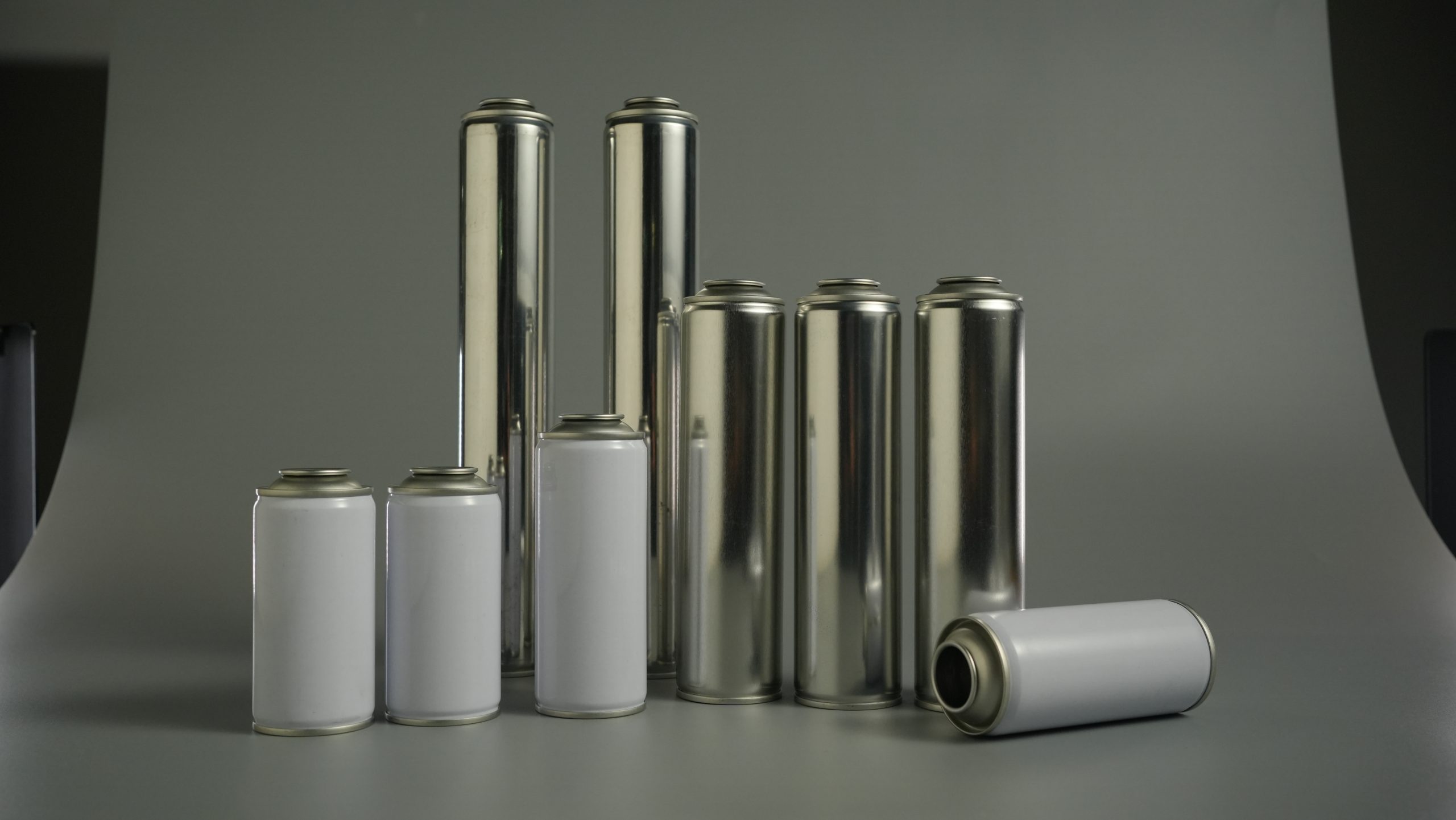
Aerosol Tin Can: Why Semiconductor-Grade Cleaning Sprays Require Specific Grades?
In the field of precision electronic manufacturing, aerosol tin cans are no longer ordinary packaging containers, but “quality guardians” of semiconductor-grade cleaning sprays. Even nanoscale impurity residues and trace metal ion precipitation can lead to the failure of core components such as semiconductor chips, PCB boards, and sensors, resulting in losses in mass production. The core value of semiconductor-grade aerosol tin can customization is to eliminate secondary pollution from the source of packaging and adapt to the strict requirements of high-purity cleaning solvents, which is the key reason why many precision electronic enterprises choose exclusive aerosol tin cans. Many enterprises engaged in precision electronic production often fall into a misunderstan...Learn more -
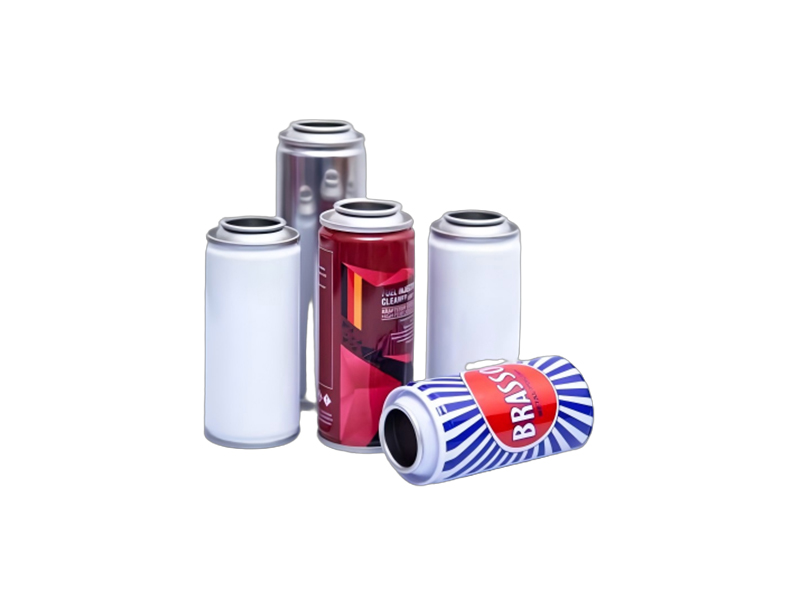
Outdoor Tinplate Sunscreen Spray Can: Anti-Rust Reinforcement for Beach & Salt Spray Environments
In hot summer beach and coastal scenes, tinplate sunscreen spray is an essential product for outdoor sun protection. The tinplate sunscreen spray can that holds this product is constantly exposed to three types of erosion: seawater salt spray, human sweat, and strong ultraviolet rays. Tank body rust and seam peeling have become common problems in the industry. Many sunscreen brands have received after-sales complaints due to substandard tank rust prevention after mass marketing. As a professional manufacturer focusing on custom tinplate aerosol cans, SAILON has developed a special external rust prevention enhancement process for such outdoor scenarios, fundamentally solving the corrosion problem of tinplate sunscreen spray cans in salt spray environments. Those who have worked i...Learn more -
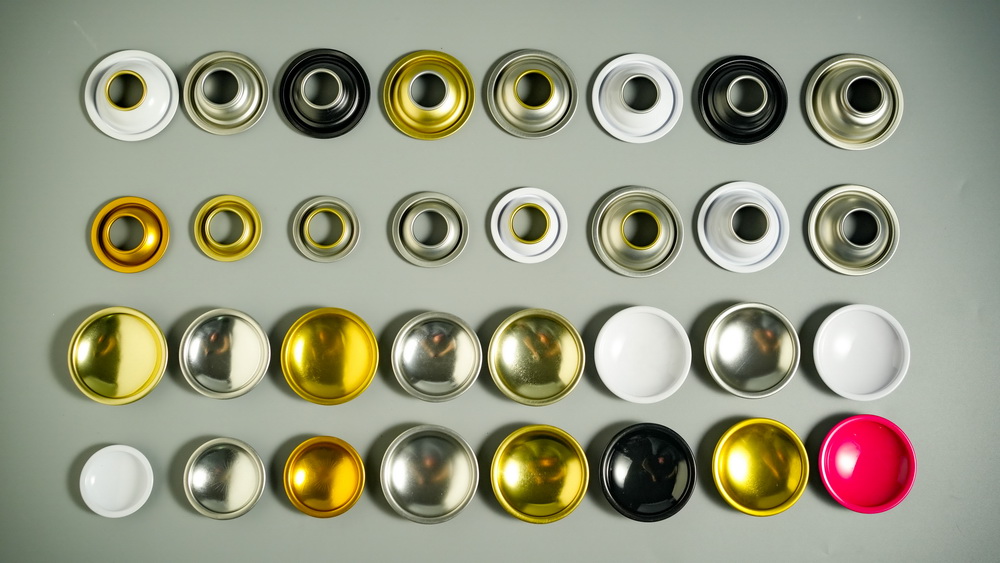
Cone & Dome: Impact of Bottom Design on Pressure Distribution
Tinplate aerosol cans are not just simple packaging containers, but precision pressure vessels bearing internal pressure at all times, and the design of the bottom structure directly determines the upper safety limit of the can body. As the core structural form of aerosol can bottoms, Cone & Dome reshapes the logic of pressure distribution from a mechanical perspective, and is also the technical core that SAILON always adheres to in custom Cone & Dome bottom design for tinplate aerosol cans. Many people overlook the millimeter-level radian difference of the bottom cover, but they do not know that this is the key to the safety and durability of high-pressure aerosol products. Pressure transmission in a closed container always follows Pascal’s Law. The pressure gener...Learn more -
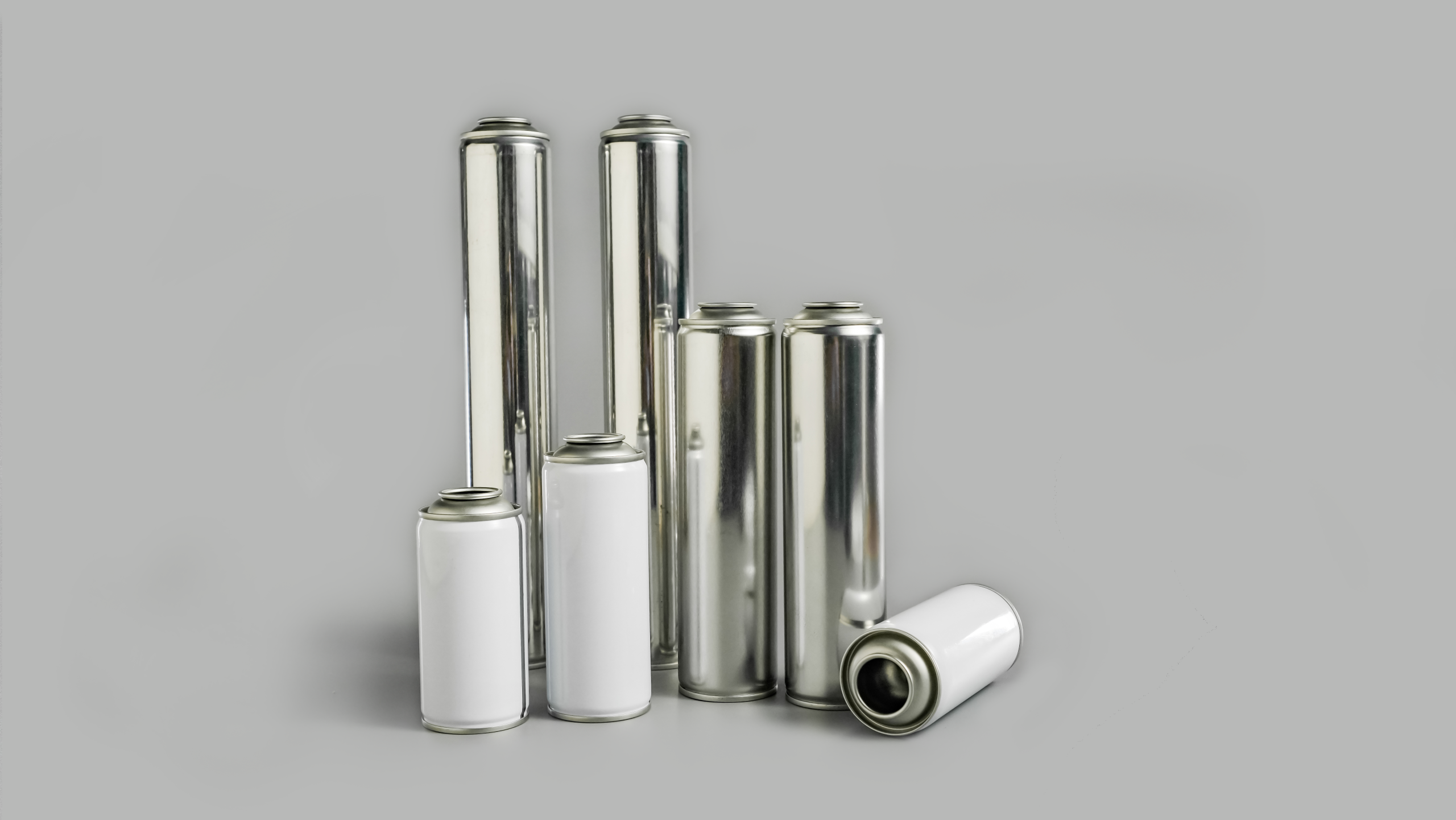
Aerosol Tin Can: Why Pet Deodorant & Dry Shampoo Sprays Choose Tin-Plated Cans
In 2026, the number of pet-owning households keeps growing, and pet deodorant sprays as well as pet dry shampoos have become essential daily care products. If you pay attention to pet care products on the market, you will find that most brands firmly choose Aerosol Tin Can as their packaging. There are many options such as aluminum cans and plastic bottles, so why do pet deodorant and dry shampoo sprays prefer tin-plated cans? This is not a blind follow-up, but the optimal decision combining cost, formula compatibility, usage safety and brand display, and also the key reason why tin aerosol cans for pet care dominate the market. Cost Control: Balancing Quality and Affordable Pricing for Pet Care Brands The pet care industry is highly competitive, and packaging cost is a core ...Learn more