Welcome to Foshan SAILON Tinplate Printing & Can Making Co., Ltd.


News
-
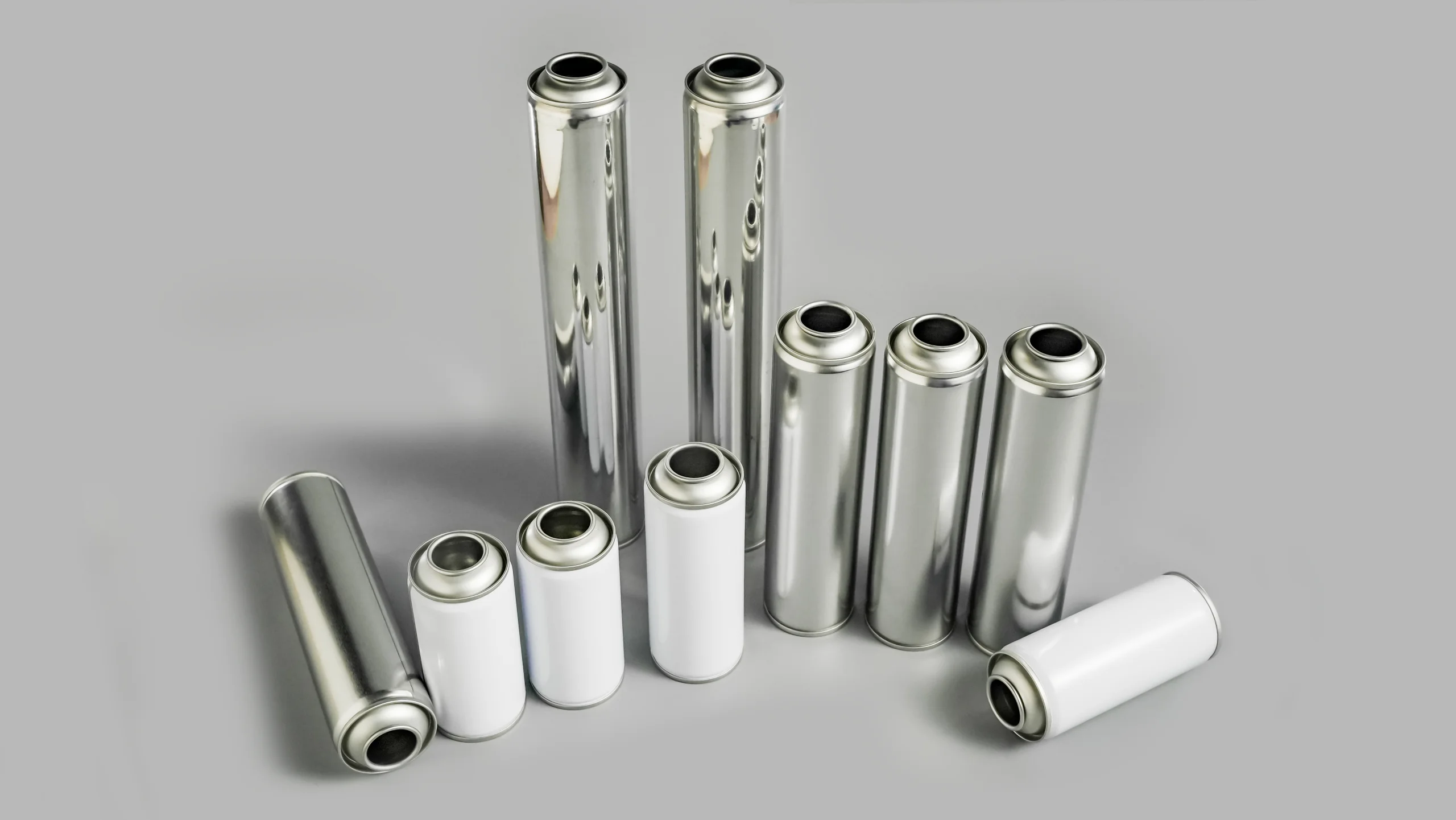
Why Acidic Rust Converter Aerosol Tin Cans Leak (and How Double-Pass Epoxy Shields Fix It)?
Imagine shipping 20,000 units of your high-performing rust converter spray, only to get urgent calls from distributors three weeks later: the cans are pin-leaking, the formula has turned black, and the bottom seals are falling apart. For aerosol packaging engineers and chemical brand owners, acid-induced internal coating failure is a costly nightmare. Standard aerosol tin cans simply aren’t built to hold formulas with a pH between 3.0 and 5.0. Here is what happens inside an acidic rust converter aerosol tin can at the microscopic level—and how engineered epoxy-phenolic coating tinplate technology prevents catastrophic batch recalls. The Acid Attack: How Low pH Formulas Liquidate Standard Inner Coatings Most active rust converters rely on organic acids or phosphoric ac...Learn more -
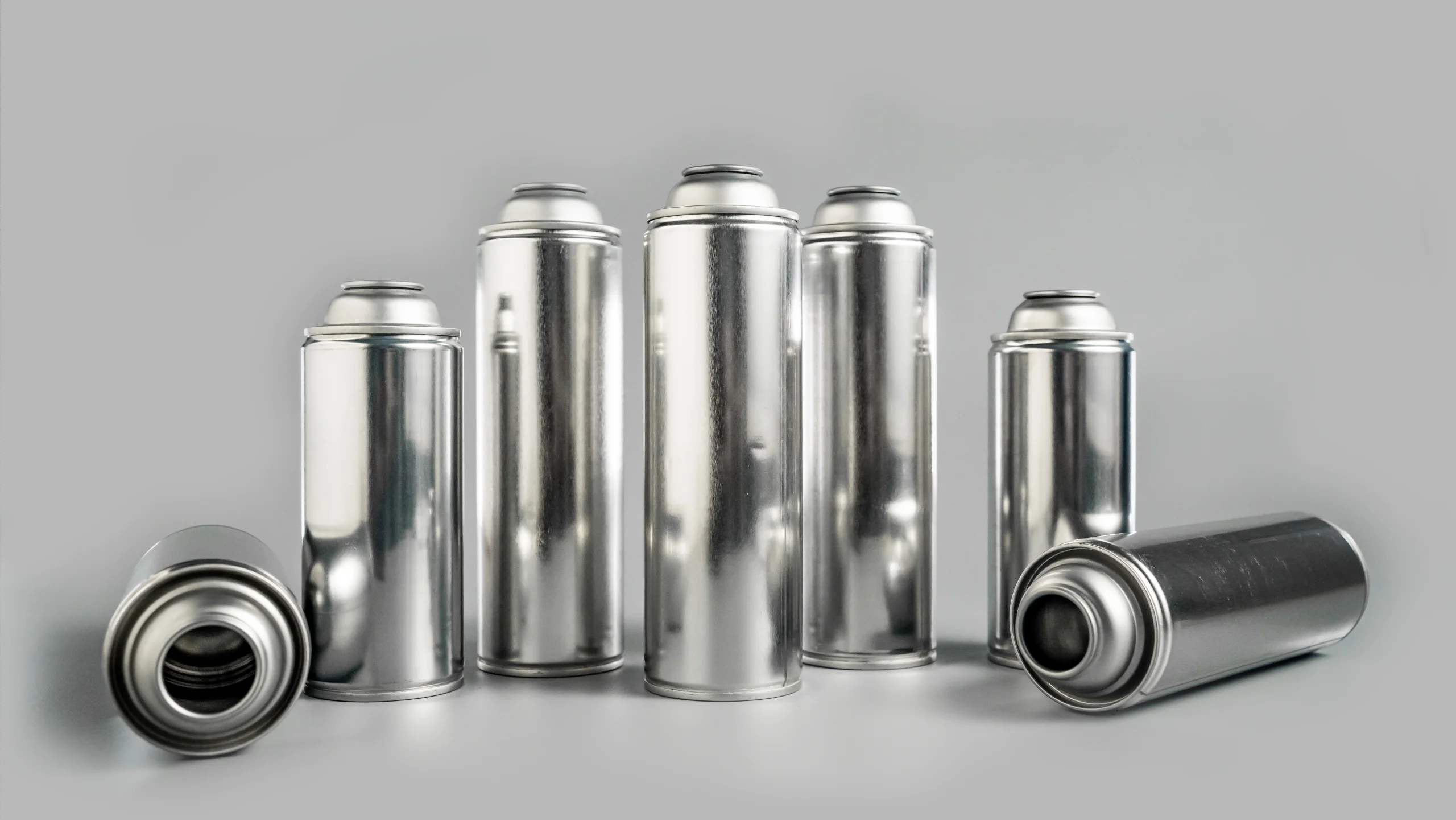
Why 80% of Sunscreen Mists Lose Pressure on Shelves: The 45mm Aerosol Tinplate Can Precision Fix
In the aerosol industry, pressure drop is the ultimate silent deal-breaker. For cooling sunscreen mists formulated with 60% to 80% denatured ethanol, the biggest threat to shelf life isn’t a bad valve batch—it is microscopic neck ovality on standard tinplate sunscreen aerosol cans. When a 45mm can neck loses its true roundness, standard valve gaskets fail to achieve complete 360° uniform compression. Over 3 to 6 months of warehousing, volatile alcohol molecules continuously escape through sub-micron voids, taking internal propellant pressure down with them. Here is the exact mechanism behind alcohol migration and how precision necking technology fixes it for B2B brands and fillers. ⚡ Quick Technical Answer High-volatility ethanol (60%–80%) escapes when standard ...Learn more -
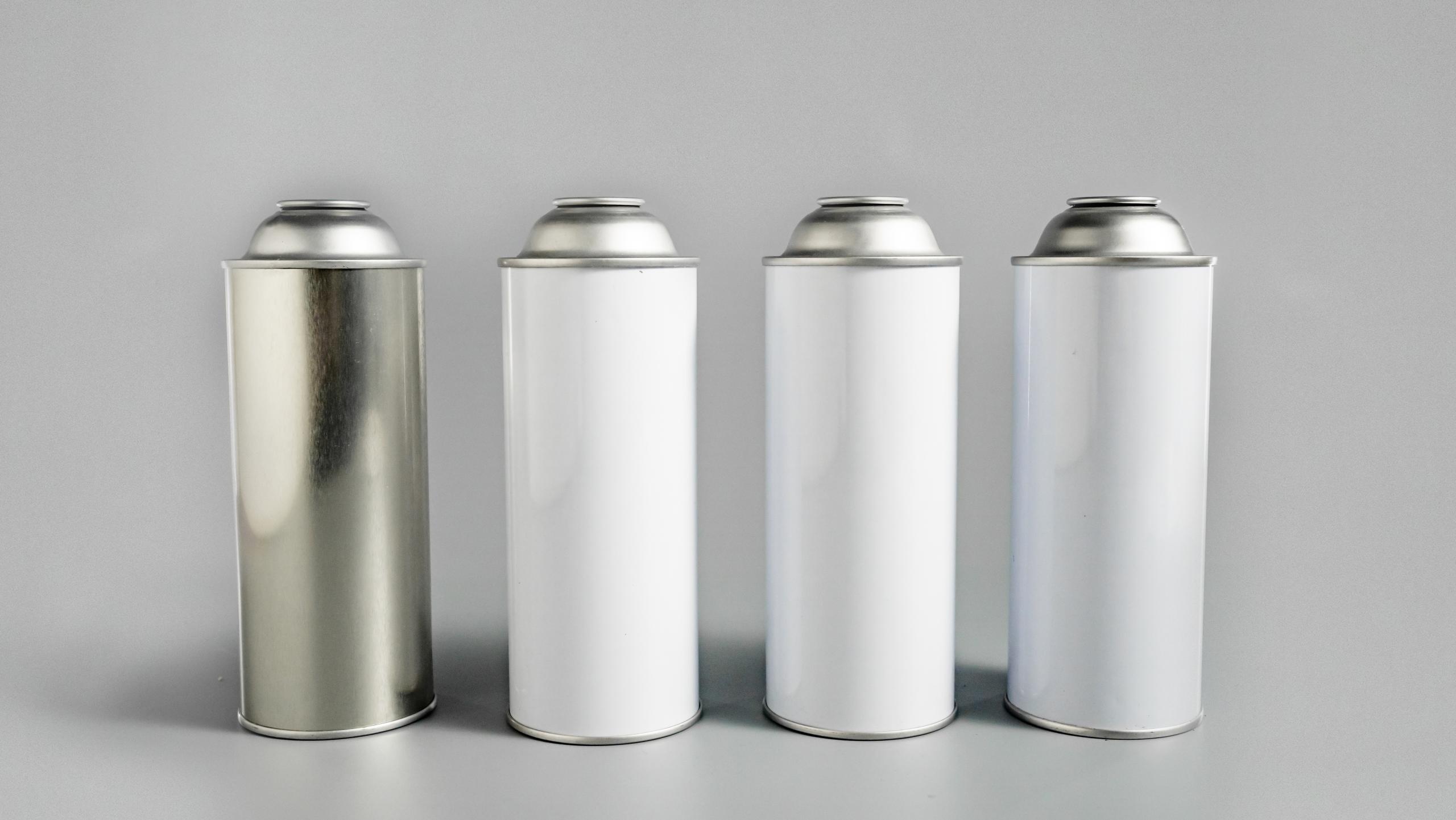
Why Do Aerosol Tin Cans Rust En Route to Southeast Asia? A Practical Anti-Rust & Packaging Guide for Ocean Freight
Opening a shipping container only to find rust spots creeping along the seams of your aerosol tin cans is every procurement manager’s worst nightmare. Cans that passed factory inspection with flying colors often arrive at tropical ports with unsightly corrosion after just over a week of transit across equatorial shipping lanes. For businesses scaling custom aerosol packaging, this translates directly to rejected shipments, wasted inventory, and strained client relationships. With extensive experience in metal packaging structure and surface protection, SAILON has untangled the corrosion chain in high-temperature, high-humidity marine environments. Here is a field-tested, quantifiable anti-rust execution standard covering everything from base materials and coating cures to ...Learn more -
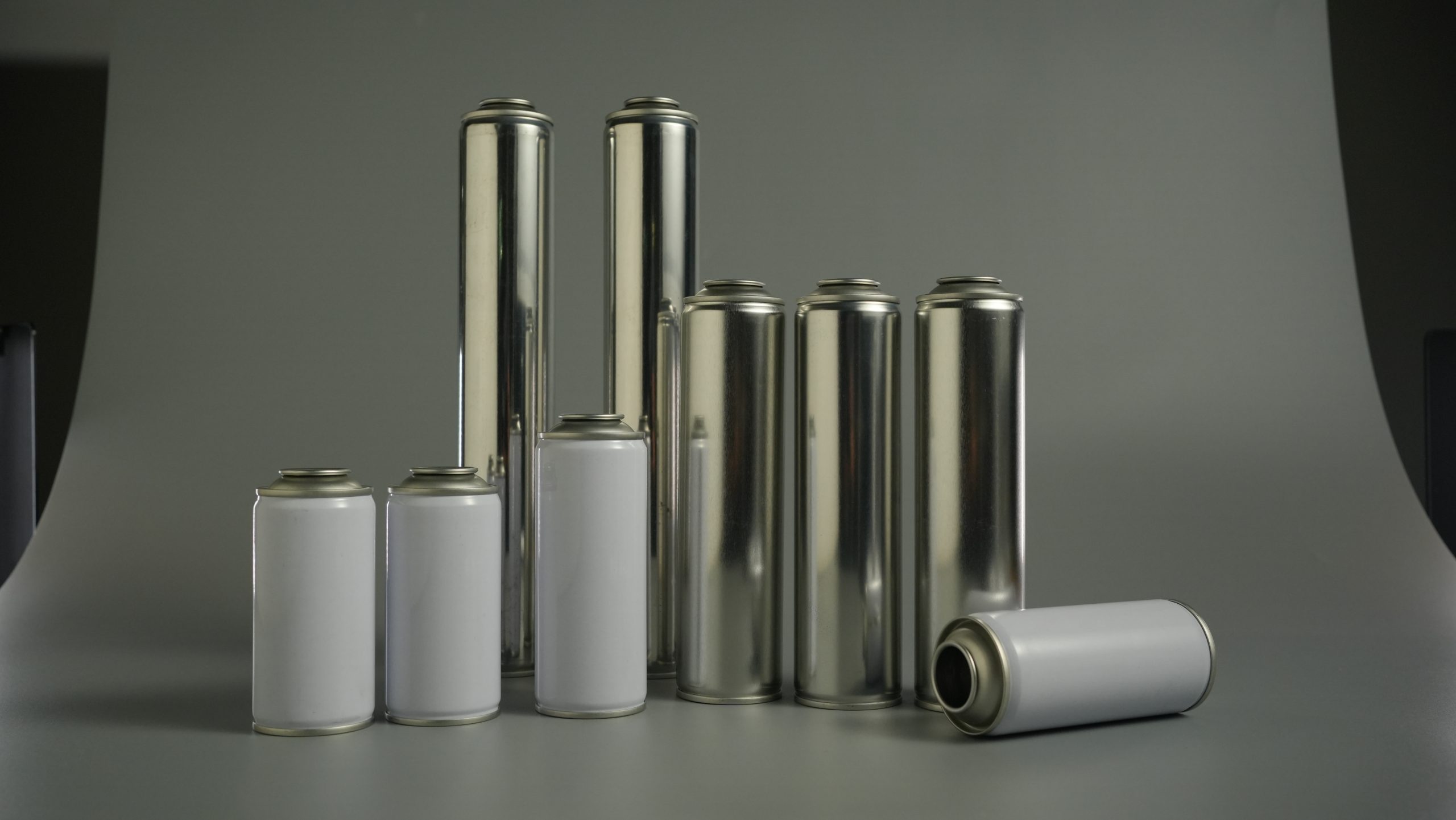
Solving Aerosol Off-Odors: A Technical Guide to Internal Lacquering for Cosmetic & Food-Grade Tinplate Cans
Off-flavors or chemical solvent lingering in your aerosol products are rarely caused by formula degradation alone. In 80%+ of field cases, the root cause lies in incomplete lacquer curing or micro-defects within the internal coating of the aerosol tinplate can. This guide breaks down the critical parameters between industrial, cosmetic, and food-grade internal linings—helping procurement and R&D teams prevent off-odors and solvent retention at the source. 1. The Chemistry of Off-Odors: Solvent Retention vs. Metallic Leaching When an end-user releases an aerosol spray and detects an off-flavor, it typically points to one of two distinct failure modes in the manufacturing process: Sharp Chemical / Solvent Residue (Pungent “Paint-Like” Odor): Mechanism: Af...Learn more -
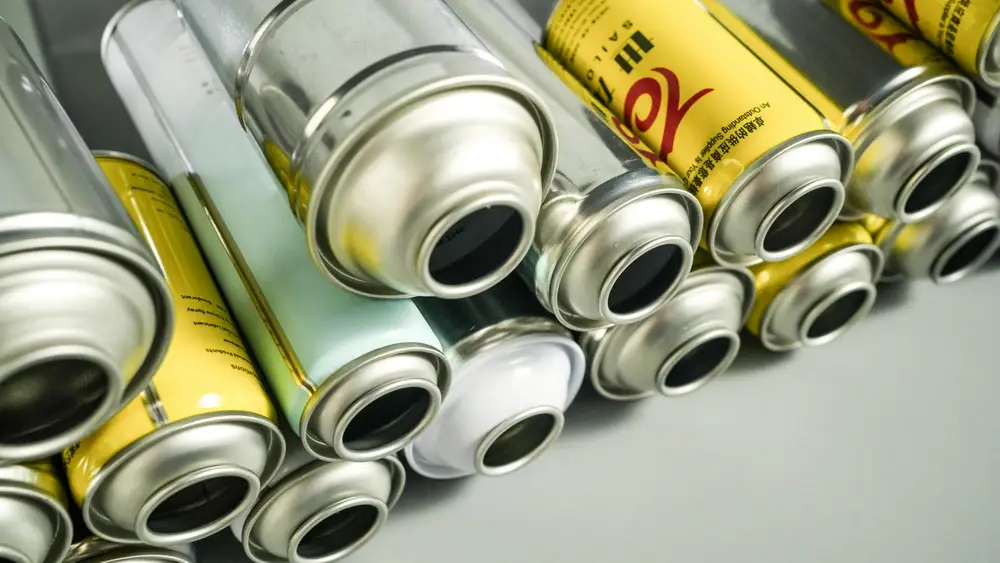
Aerosol Tin Can: Fix Foundation & Cosmetic Mist Oxidation Discoloration
Most cosmetic brands face a stubborn quality issue. Filled liquid foundation and vitamin C mist turn yellow and dark after months of standard storage. Formulators often adjust preservative systems repeatedly but fail to fix the root cause. The problem lies in the inner coating quality of the aerosol tin can. Chemical reactions between cosmetic actives and tinplate metal trigger Vitamin C oxidation with tinplate and ruin product color and stability. This oxidation process works just like browning fresh fruit in open air. Standard aerosol can coatings do not form full airtight barriers. High-temperature baking creates tiny invisible pinholes on the paint surface. Liquid formulas seep through these gaps and touch the tinplate base. This process causes iron ion migration and leads t...Learn more -
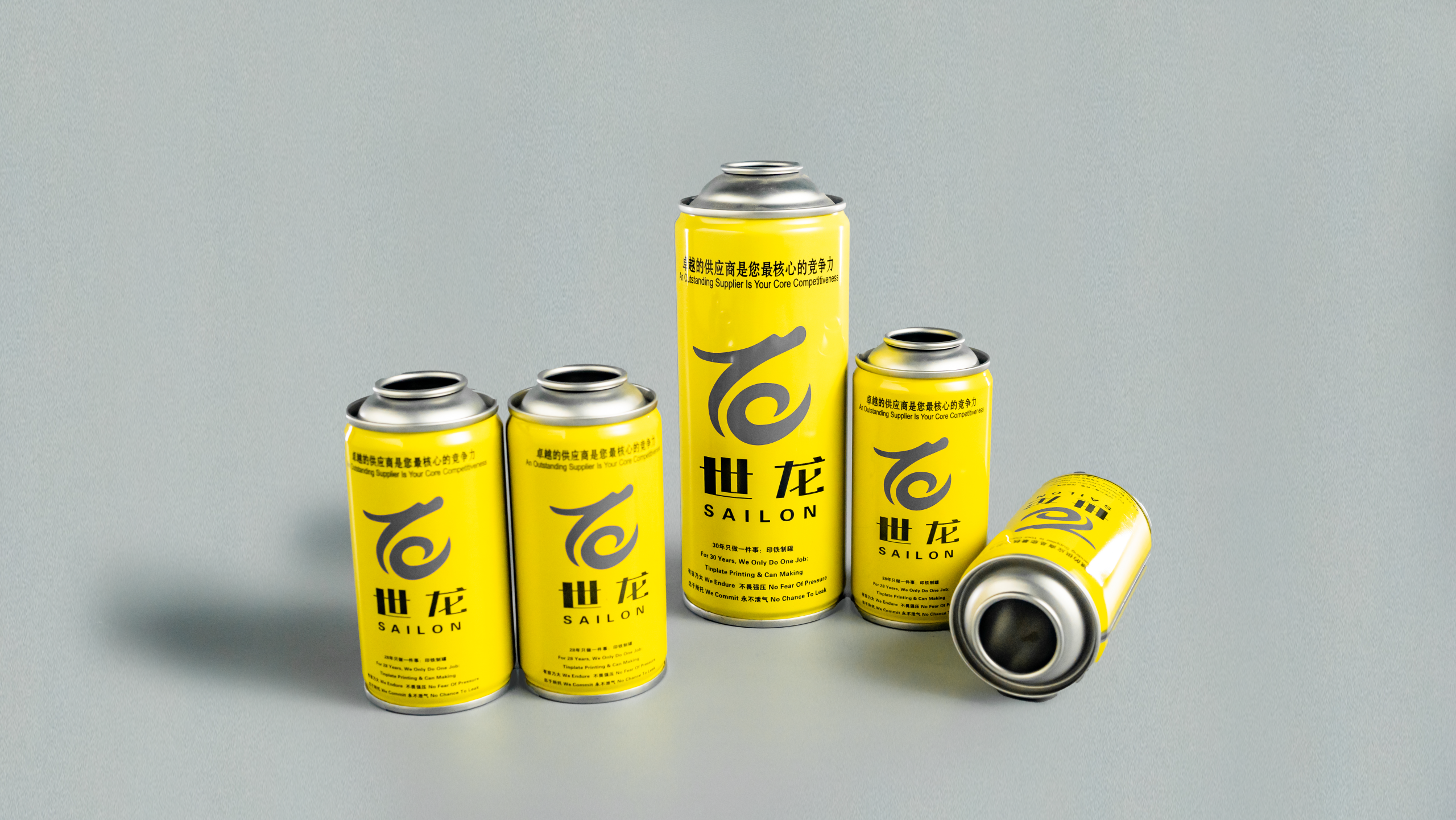
45mm Tinplate Aerosol Can: Why Neck Crimping Collapse Happens & Field Fixes
45mm tinplate aerosol can neck collapse ranks among the most common and disruptive defects on automatic filling lines. Most production teams face repeated necking deformation, seal failure and finished product rejection during crimping and valve insertion. Simple machine adjustments rarely solve the issue permanently. The real problem comes from mismatched crimping pressure calibration, insufficient can structural strength and improper tinplate temper grades. As a professional custom aerosol can manufacturer, SAILON solves these field failures with tested material standards and optimized forming processes. Most factory engineers notice 45mm slim cans collapse far more often than standard 65mm cans. The tall, narrow body creates a high aspect ratio structure with weak sidewall su...Learn more -

Tin Spray Can Clog Troubleshooting: Valve Orifice & Internal Coating Flaking Cause Analysis
Technicians and product developers often encounter annoying issues with tin spray cans. Cans stop spraying halfway and cause customer complaints. Most teams struggle with aerosol can clogging because suppliers blame each other without clear judgment standards. Many workers label all clogging issues as tank quality problems. This judgment stays inaccurate. Blockages come from two core sources: improper valve orifice matching or severe internal coating flaking. Simple field tests help teams define causes quickly. Two Field Tests to Find Spray Can Clogging Causes Inspectors do not need professional tools to judge spray can failures. Two basic tests identify problems for most standard tin aerosol cans. First, remove the nozzle and check internal valve residues. Fine dry pai...Learn more -

Tin Aerosol Can High-Temperature Shipping Bulging Solutions: Complete Guide to Pressure Resistance and Container Protection
Packaging manufacturers face a common hidden shipping issue. Qualified tin aerosol cans leave factories in perfect condition but develop bulges, bottom deformation and minor leakage after long container transit. These defects skip factory quality checks but appear steadily in hot enclosed environments. Container temperatures can hit 70℃ under intense heat, and vaporizing internal propellants build extreme pressure to deform cans. Most teams blame weak tinplate material for can deformation, but professional testing disproves this idea. Tinplate features ultra-low thermal expansion and never deforms independently under high heat. Rising saturated vapor pressure from heated contents and propellants acts as the real cause of tin aerosol can bulging. Permanent deformation occurs once...Learn more -
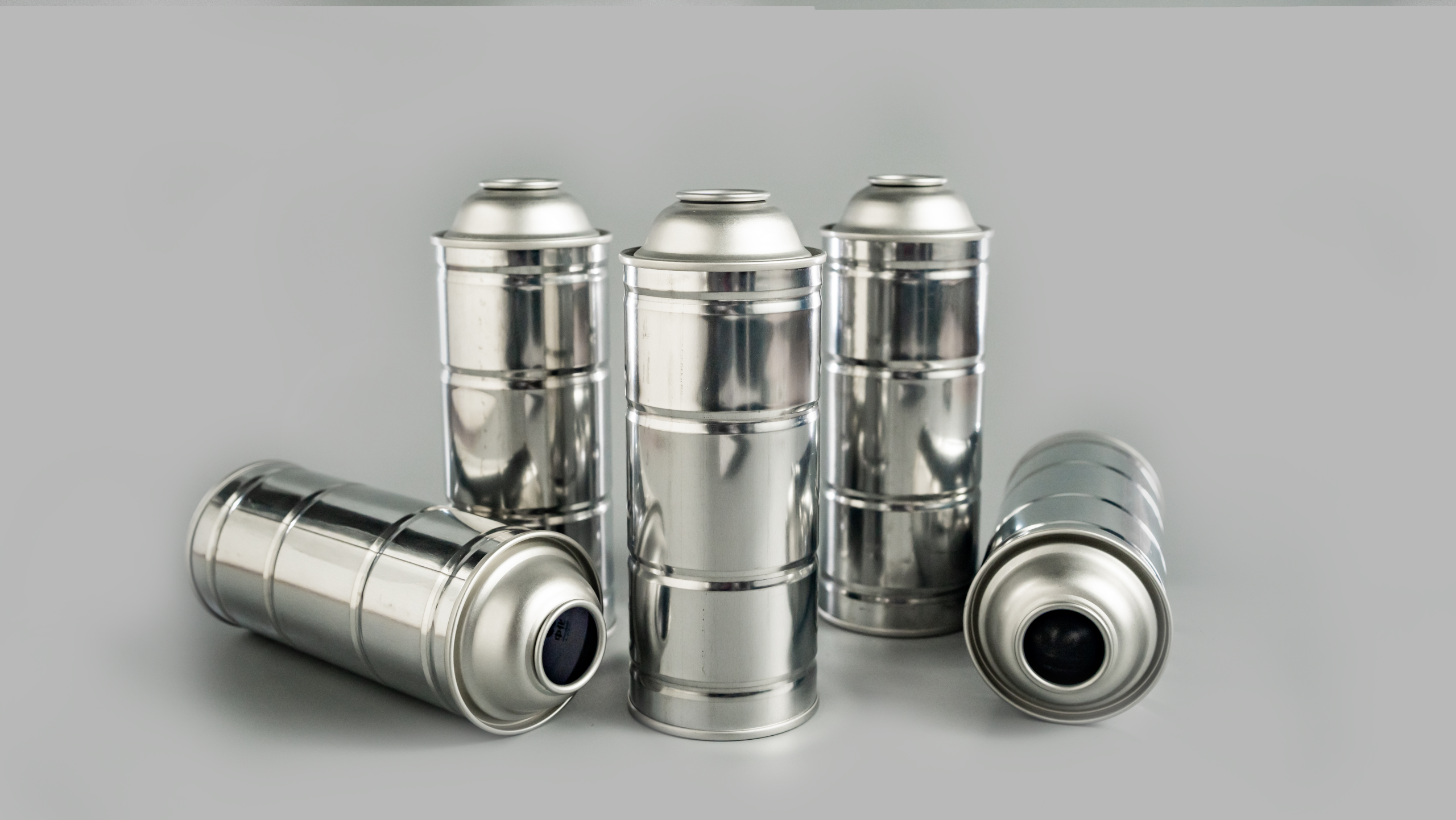
Tinplate Aerosol Cans for Butane: Solving the 55°C Water Bath Bulging Issue with Custom Engineering
Every aerosol contract filler and brand owner knows that stomach-dropping feeling. Your production run of tinplate aerosol cans looks flawless at room temp, and the double seams pass visual inspection with flying colors. But the moment they hit the mandatory 55°C water bath test, reality strikes. The bottoms of those aerosol cans start to dome, buckle, or permanently deform. A failed water bath test isn’t just a minor hiccup—它 means your entire batch is dead in the water, blocking compliance and delaying critical shipments. Driven by industry benchmarks like ISO 13088 and GB/T 14449, SAILON leverages 17 years of specialized aerosol can manufacturing to break down exactly why butane cans buckle under pressure—and how our custom-engineered shrapnel-bottom solutions keep you...Learn more -
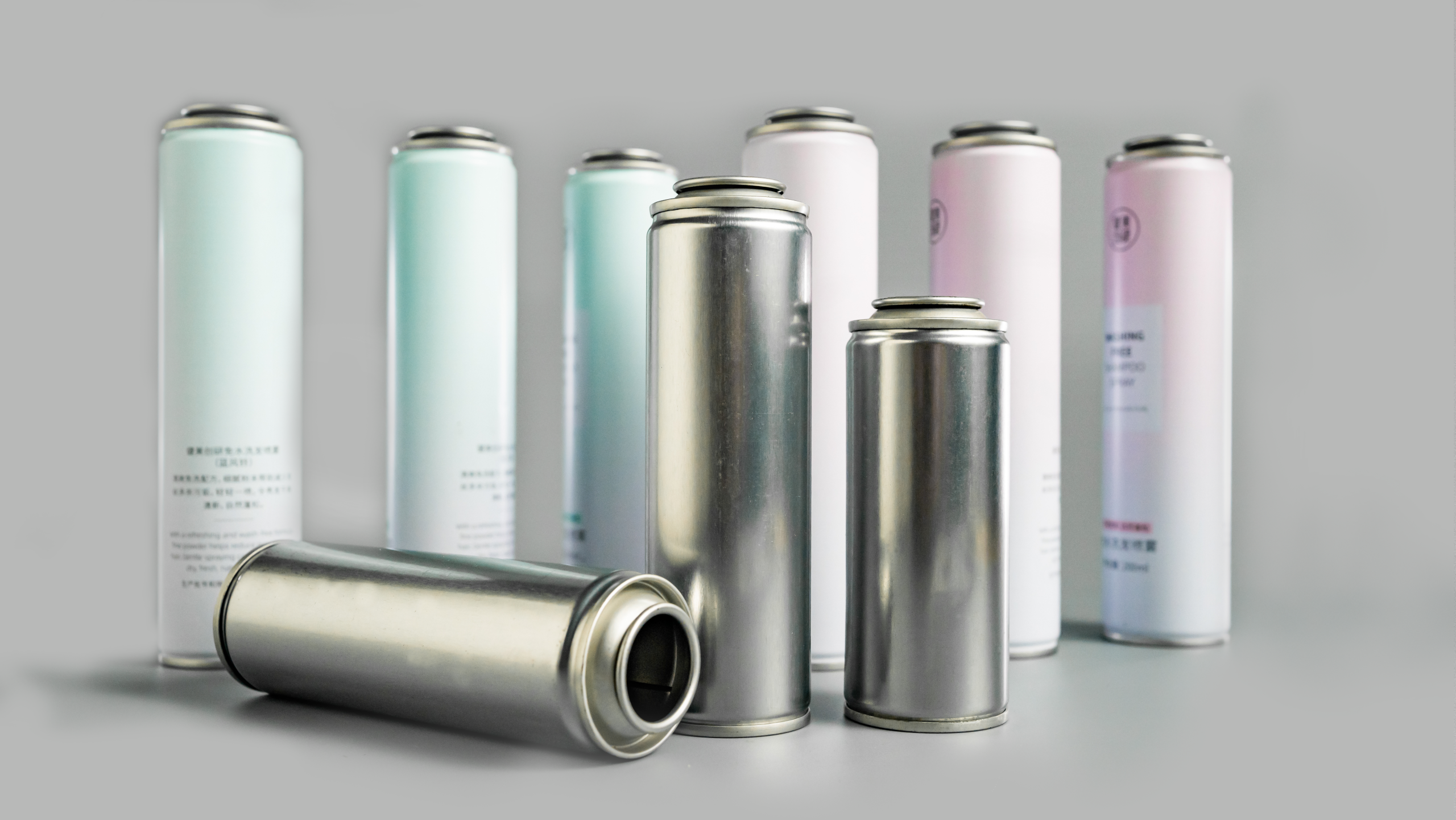
Stop Wasting Cans! Why Your 45mm Tinplate Aerosol Cans Deform During Crimping
Imagine this: Your high-speed aerosol filling line is running at peak capacity, but by the end of the shift, the QC bin is overflowing with rejected cans. The valves are loose, the necks are wrinkled, and pressure is leaking. You’ve strictly followed the machine manual and dialed in the parameters a dozen times, yet the 45mm tinplate necked-in aerosol cans keep buckling. Sound familiar? You are not alone. The 45mm slim profile is a notorious headache for filling factories worldwide. As a premier wholesale aerosol can supplier, SAILON has cracked the code. In this insider guide, we will uncover why these micro-deformations happen and how a simple engineering upgrade can boost your filling yield to 100%. The Physics of Failure: Why Do 45mm Slim Cans Buckle Under Pressure? In...Learn more