Welcome to Foshan SAILON Tinplate Printing & Can Making Co., Ltd.


News
-
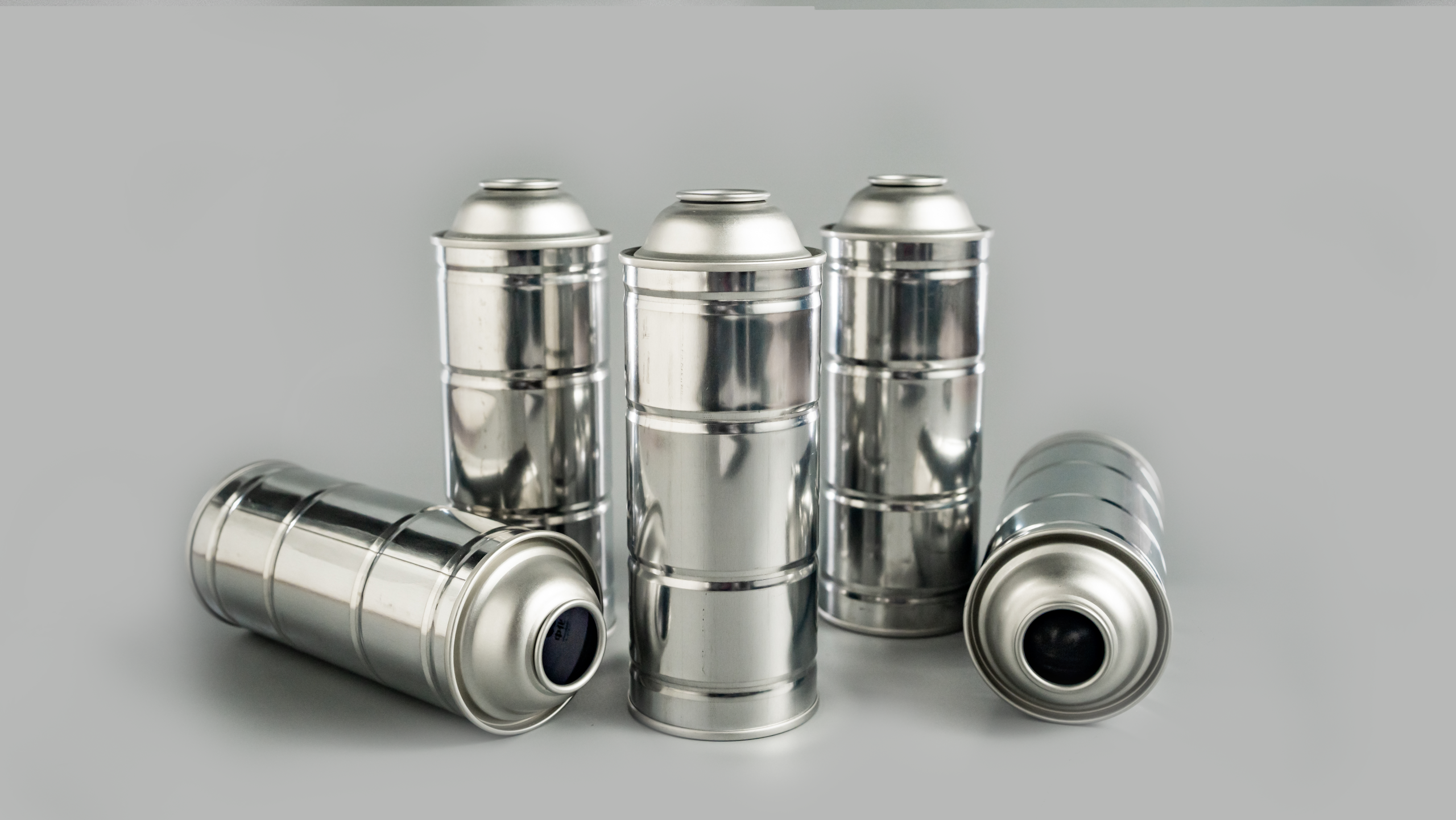
Can Your Spray Handle a 70°C Car Trunk? Engineering Anti-Burst Aerosol Tin Cans for Tire Inflators
Emergency puncture repair formulations place distinct mechanical stresses on packaging. When an driver activates a tire repair spray, liquid latex, glycol solvents, and high-pressure propellants must transfer into a flat tire within seconds. This rapid discharge creates a sudden pressure spike inside the Tire Inflator Aerosol Can, requiring structural engineering far beyond standard aerosol containers. Designing a High-Volume Tinplate Aerosol Container for automotive emergency applications requires balancing instant pressure containment, elevated temperature stability, and controlled fail-safe mechanics. Instant Pressure Dynamics in Emergency Tire Inflators Standard household aerosols discharge product slowly through low-flow valve orifices over weeks or months. Emergency ...Learn more -
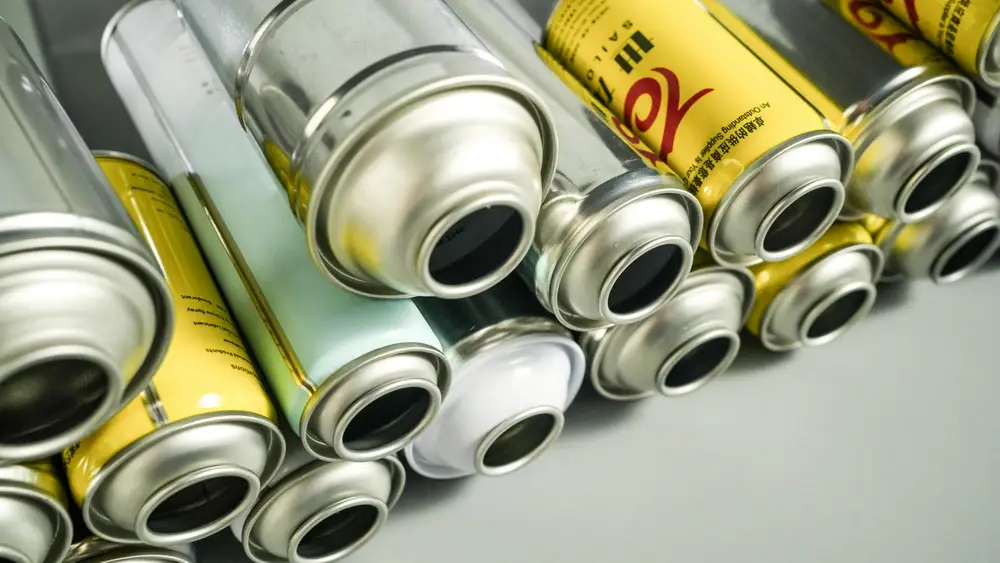
Why Are Your Aerosol Tin Cans Bursting on the Line? The Ultimate Guide to Fixing Pressure Test Failure
Pressure test failures during production halt filling lines, waste valuable concentrate, and create safety risks. When empty aerosol tin cans deform or rupture under pressure, identifying the root cause quickly saves time and prevents batch losses. Evaluating structural integrity requires looking at steel metallurgical properties, dome geometry, double-seam dimensions, and filling line parameters. Deformation Pressure vs. Burst Pressure Standards Evaluating aerosol can pressure test failure issues requires distinguishing between two distinct mechanical limits defined by international transport and safety standards. Pressure PhasePressure Threshold (MPa)Structural ReactionStandard ReferenceNormal Operating Pressure0.3 to 0.6Elastic tension within designed toleranceStanda...Learn more -
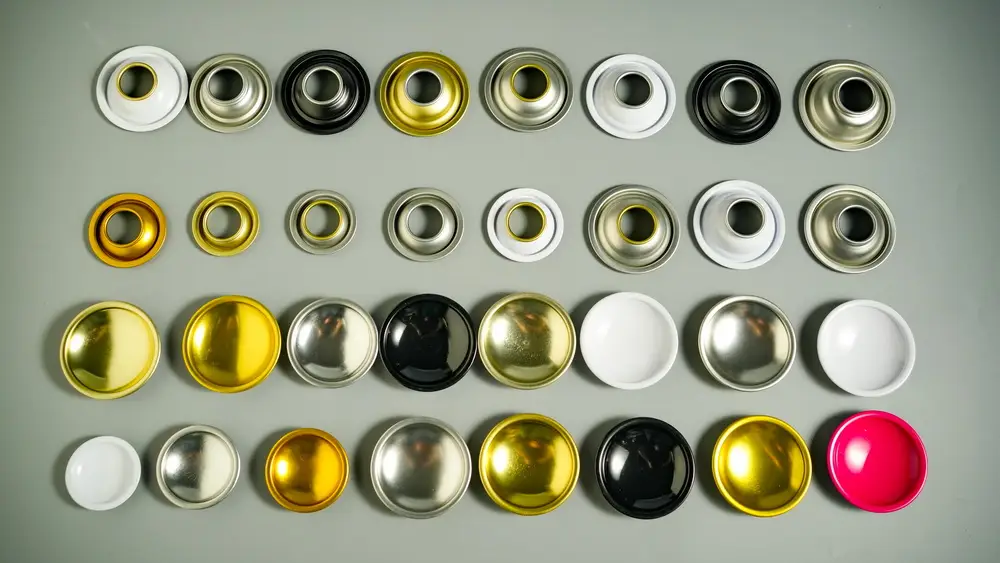
5 Packaging Pitfalls That Cause Corrosion and Leakage in Solvent-Based Aerosols
In the aerosol manufacturing and supply chain sector, nothing is more frustrating than receiving bulk customer complaints about “bottom perforation and leakage in spray paints, carburetor cleaners, and adhesive removers.” For brand owners and filling plants, a single batch of returns, warehouse bursts, or marine hazardous material incidents caused by solvent penetration or internal corrosion will not only result in heavy financial losses but also destroy market reputation. Many procurement and packaging engineers focus solely on unit price and appearance during initial selection, ignoring the deep physical and chemical reactions behind solvent-based aerosols. As a source manufacturer specializing in high-end aerosol cans, SAILON combines years of practical experience to...Learn more -
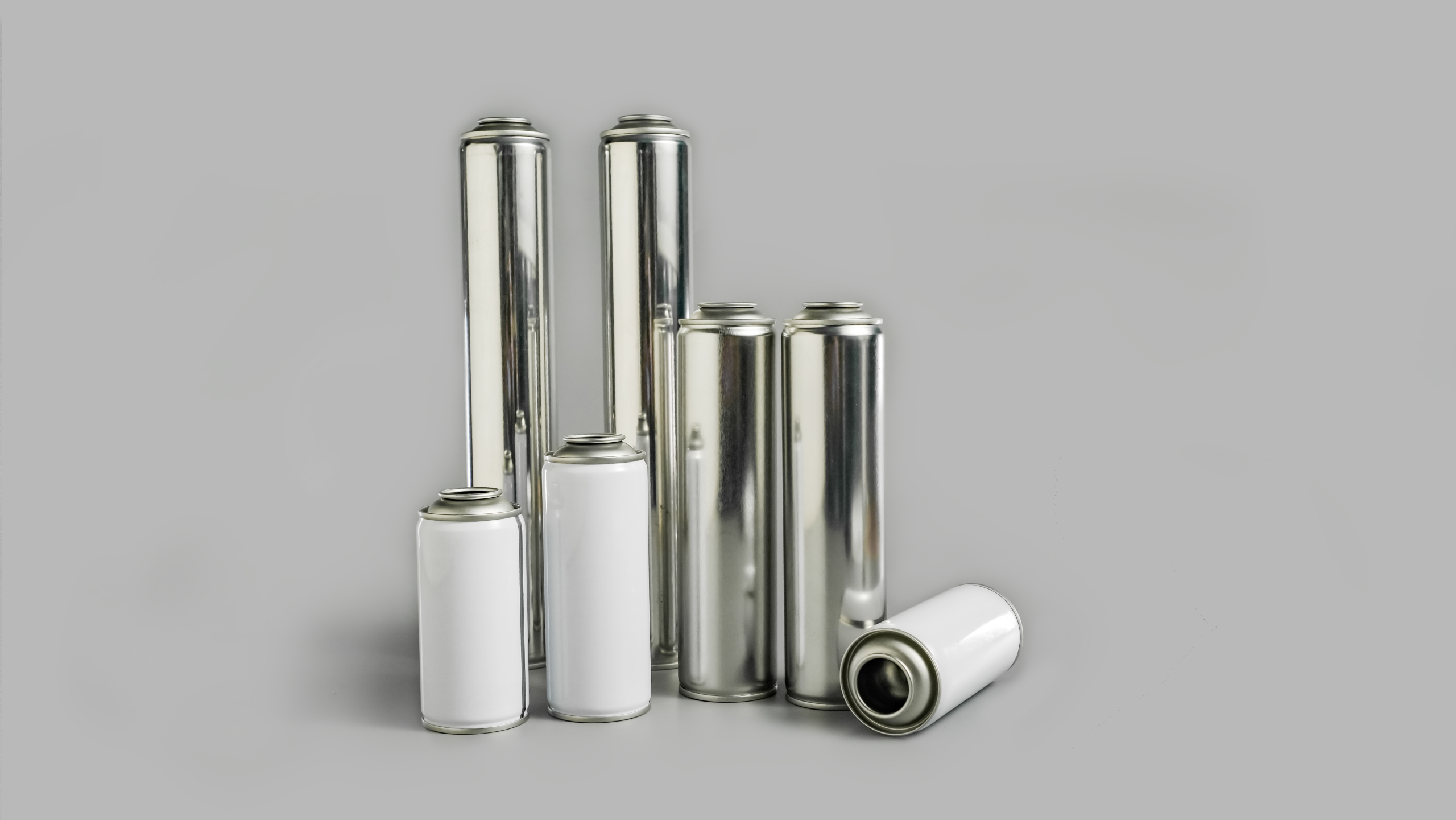
Tinplate Cans vs. Aluminum Cans for Industrial Degreasers: B2B Cost & Performance Buyer’s Guide
When packaging industrial degreasers for automotive, aerospace, or heavy machinery maintenance, chemical formulators and brand owners face unique packaging challenges. Industrial degreasers often contain aggressive solvents combined with high propellant pressure systems for heavy-duty spraying. For B2B procurement managers and packaging engineers, picking the wrong aerosol can lead to dented cans in transit, internal corrosion, seam leakage, or even catastrophic pressure bursts. When it comes to solvent-based industrial degreaser packaging, how do tinplate cans stack up against monobloc aluminum cans in terms of total landed cost, structural integrity, and chemical compatibility? Cost & BOM Breakdown: Avoid the Hidden Expense Trap Evaluating aerosol packaging purely on...Learn more -
Don’t Wait for Leaks or Explosions! Crucial Pitfalls in insecticide aerosol cans and personal care aerosol packaging
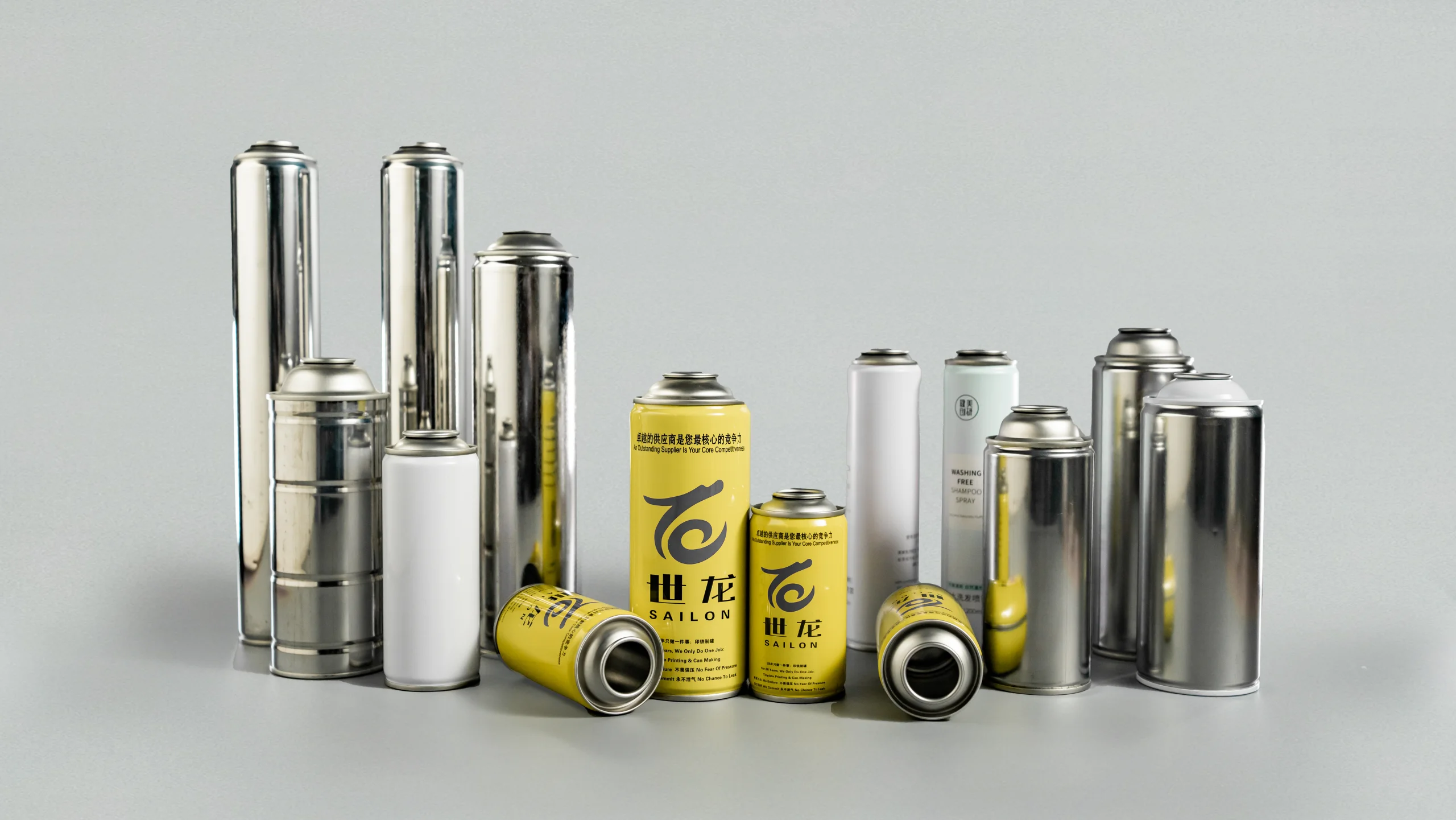
You have probably experienced this nightmare: after working tirelessly on product formulation and filling, you store the inventory for just three months, only to get customer complaints about bottom leaks, loss of pressure, or cans swelling in high summer temperatures. For procurement and R&D managers, choosing the wrong tinplate aerosol cans is like putting a ticking time bomb into your supply chain. Aerosol cans are not simple metal containers. Aggressive solvents can attack the inner walls, water-based ingredients trigger electrochemical corrosion, and pressure swings from propellants test structural limits. Today, the technical team at SAILON skips the generic report fluff to share real-world insights on custom tinplate aerosol can manufacturer selection strategies. F...Learn more -
Tinplate Household Aerosol Can vs. Aluminum: B2B Sourcing & Cost-Optimization Guide
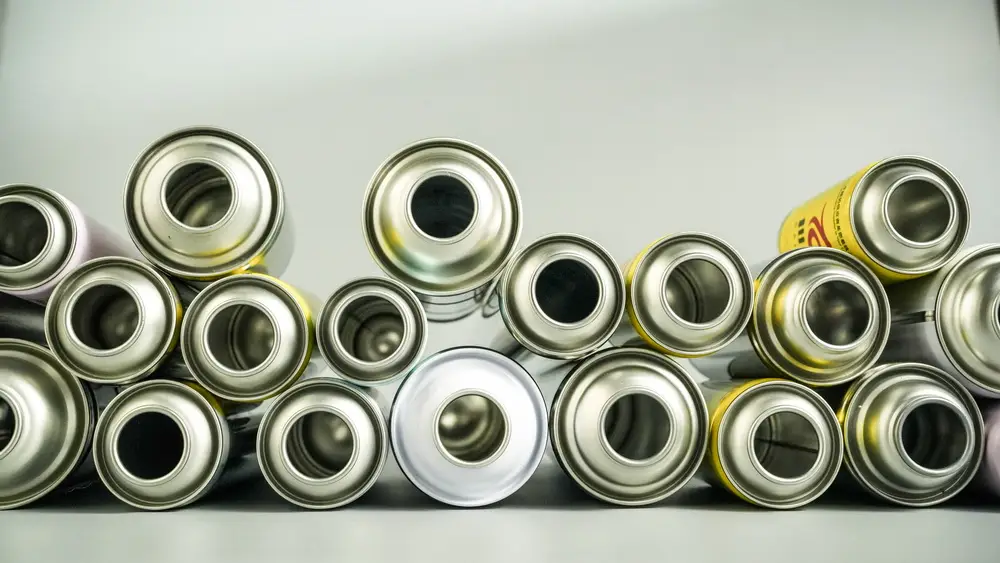
When specifying packaging for household aerosol products such as insecticides, air fresheners, and kitchen degreasers, sourcing procurement leads and R&D managers face a pivotal decision: Three-piece tinplate aerosol cans or monobloc aluminum cans? Making the wrong selection can inflate packaging costs by over 30% or trigger severe quality risks like seam rusting, container deformation, or batch recalls. This actionable B2B guide breaks down the core differences across Cost, Pressure Resistance, and Printing Precision, complete with a B2B decision framework and sourcing pitfall warnings. 1. Tinplate vs. Aluminum: 3D Comparison Matrix Comparison DimensionThree-Piece Tinplate Household Aerosol CanMonobloc Aluminum Aerosol CanB2B Procurement & R&D Recommendation1. ...Learn more -
Tinplate Aerosol Cans Rusting at Neck? Water-Based Hairspray Anti-Corrosion & Micro-Crack Guide
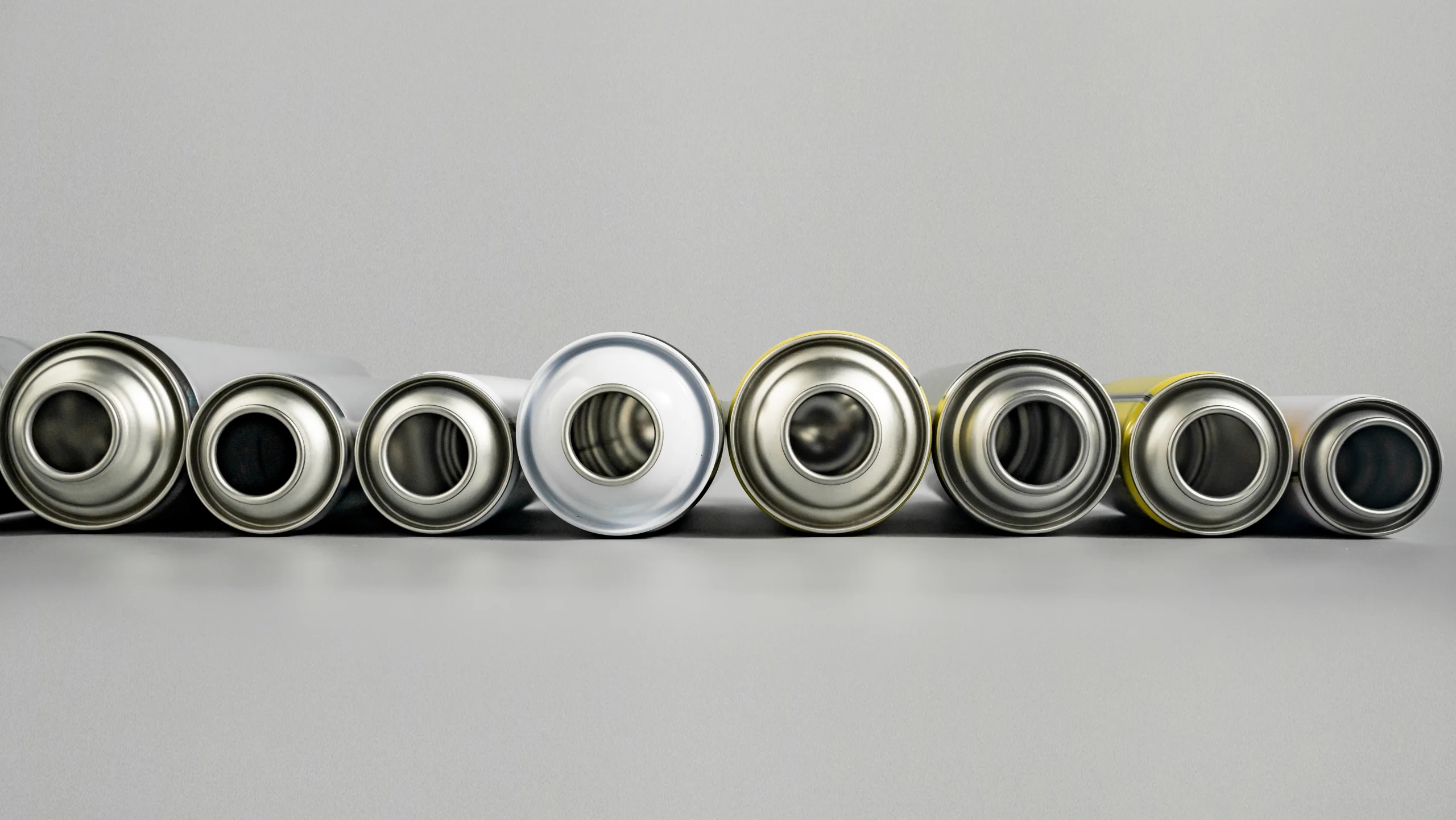
Alcohol-free, natural water-based hairsprays are exploding in popularity across global haircare markets. However, many brand owners and aerosol contract fillers (OEM/ODM) have stumbled into a costly disaster: Just 3 months after landing on retail shelves, reddish rust spots appear around the necked-in area of the tinplate aerosol cans, dispensing contaminated, brownish spray! For premium haircare brands built on clean formulations and quality, customer complaints of this nature are devastating. Mass product recalls and ruined retail partnerships follow rapidly. R&D and procurement managers often jump to the conclusion that the inner lacquer formulation was wrong. Yet, upon cutting open the failed cans, the body lacquer remains pristine—the severe pitting rust is isolated str...Learn more -
Tinplate Brake Cleaner Aerosol Cans Bursting in Summer Shipping? Stop Thickening Steel: The 2% Cost Fix
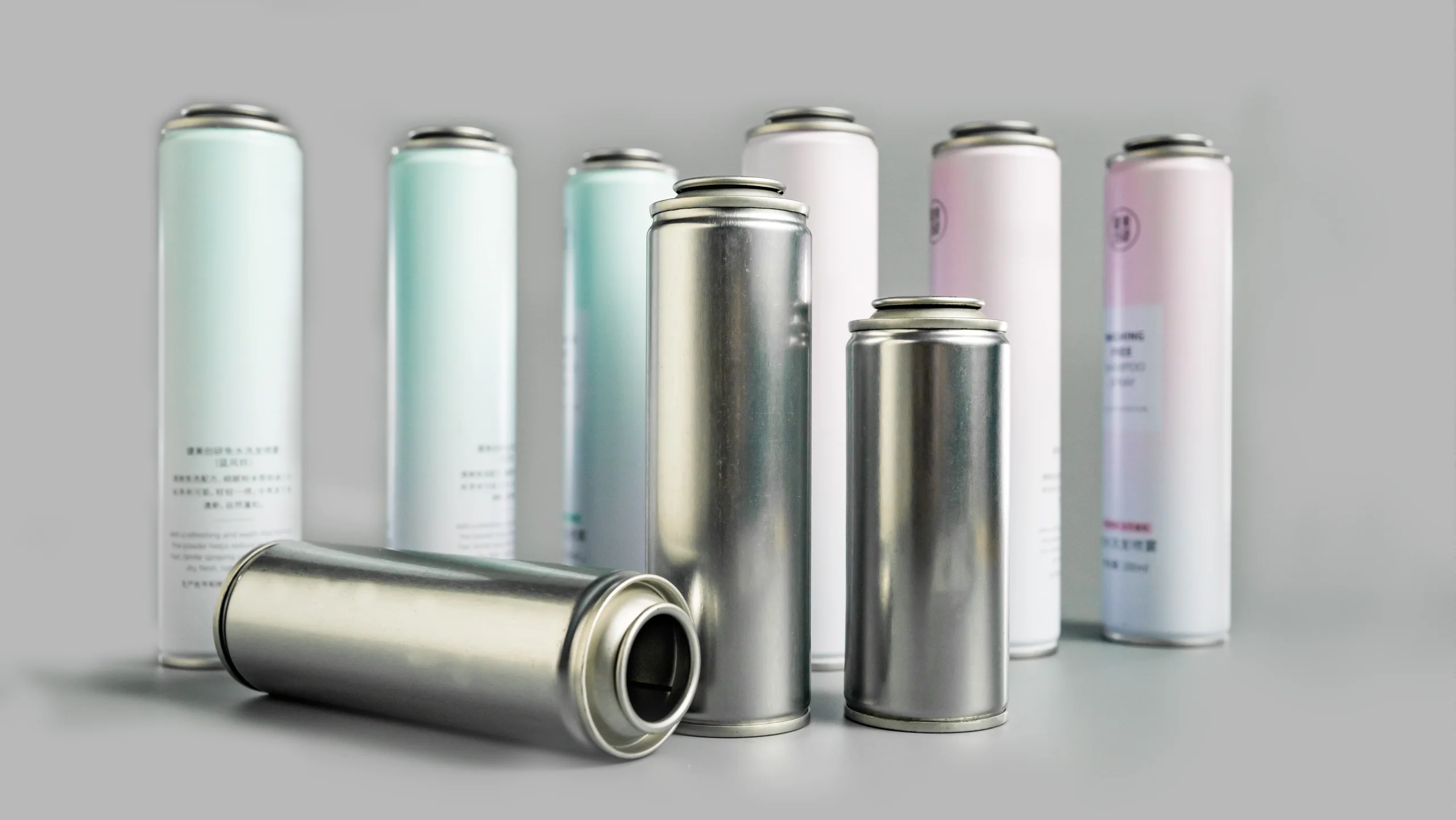
Every July and August, when ocean containers land at ports in Dubai, Texas, or Rotterdam, our customer service inbox receives urgent distress calls: “SAILON team, our aerosol cans burst inside the container during transit! The bottom ends buckled out, solvent leaked everywhere, and the buyer rejected the entire shipment. We are facing a massive claim!” Inside a sealed steel shipping container during summer, internal temperatures easily reach 60°C to 70°C (140°F–158°F). Fast-drying solvents and high-pressure propellants expand rapidly inside the packaging. Many brand owners assume that increasing steel thickness from 0.28mm to 0.32mm will solve the problem. The result? Skyrocketing costs, added freight weight, and cans that still burst upon arrival. Sourcing reliable summ...Learn more -
Custom Aerosol Tin Can Cost Factors: 5 Hidden Elements Shaping Your Unit Price & Procurement Budget
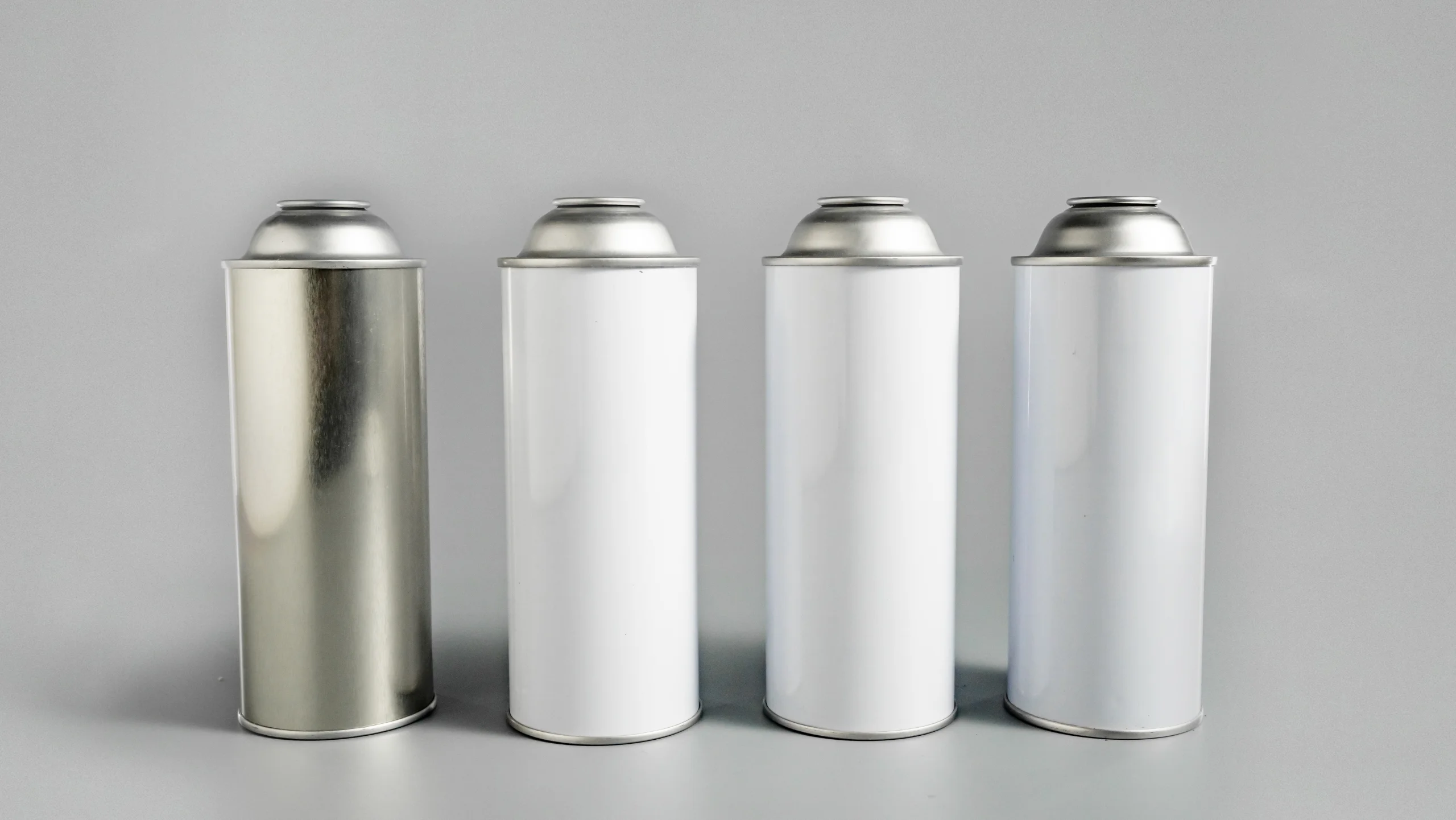
Why Do Custom Aerosol Can Quotes Vary So Drastically? When sourcing custom tinplate aerosol cans from global suppliers, B2B procurement managers are often puzzled by widely differing unit price quotes for what appears to be the same size can. A difference of $0.02 to $0.05 per unit may seem minor at first glance, but across a 500,000-can annual order, it represents tens of thousands of dollars in profit margin. Understanding the underlying cost drivers is key to budget optimization. Unit costs are shaped by specific engineering specs, raw material grades, and production efficiencies. Here are the 5 hidden factors that impact custom aerosol tin can unit costs and practical strategies to reduce your packaging spend without compromising safety. 1. Tinplate Thickness and Steel...Learn more -
Rust-Resistant Shaving Foam Aerosol Cans: How Plastic Ring Bases Prevent Bottom Rim Corrosion?
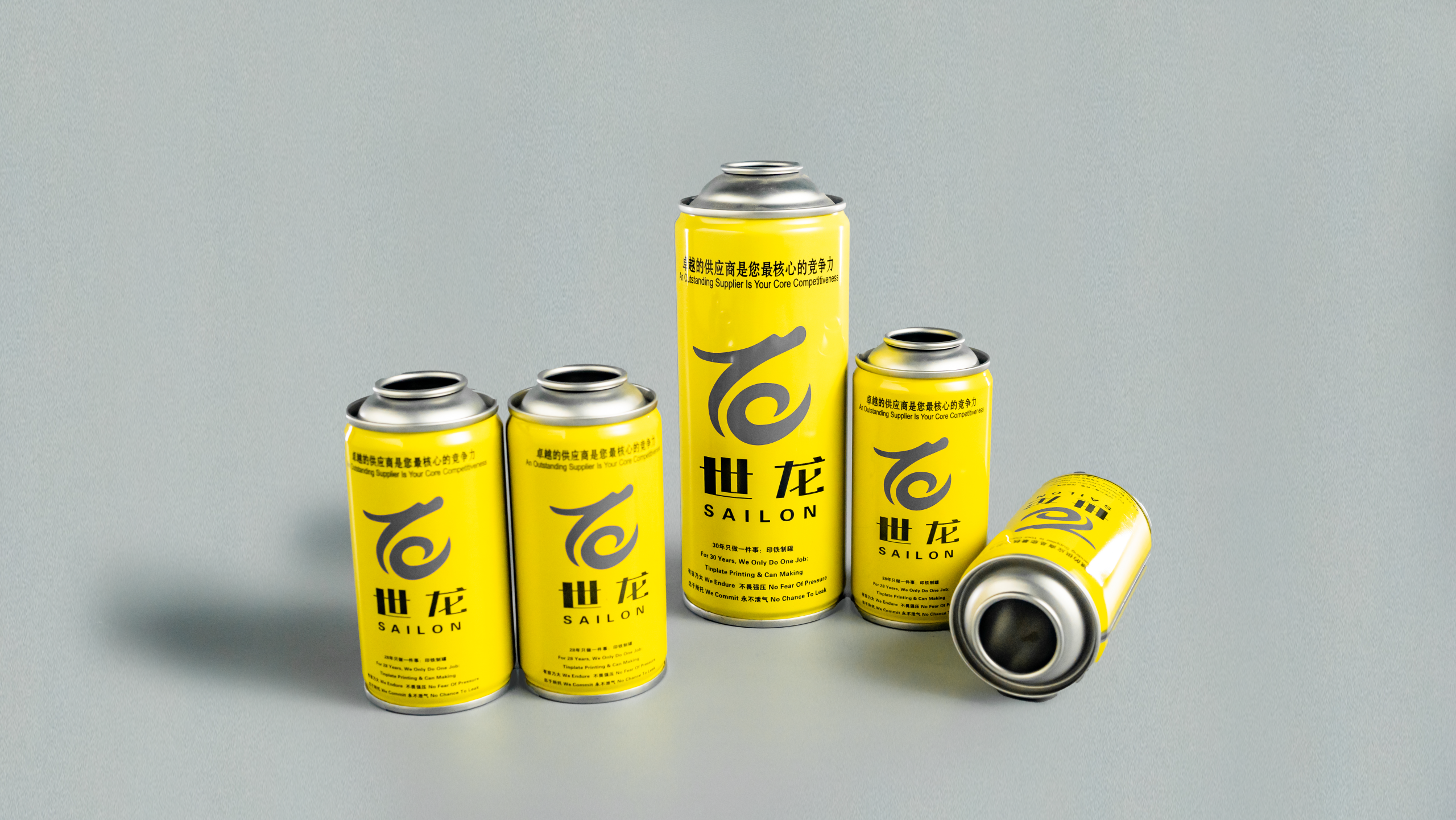
The Hidden Bathroom Hazard Ruining Your Grooming Brand’s Image Imagine a premium shaving foam sitting on a wet marble shelf in a customer’s shower. Within weeks, the constant exposure to high humidity leaves a stubborn brown rust ring on the tile. The consumer doesn’t blame the bathroom environment—they blame your brand. For personal care and hair styling brands, bottom rim rusting in shaving foam aerosol cans is one of the most frequent yet overlooked causes of return requests and brand reputational damage. Traditional tinplate spray cans feature an exposed bottom seam where rolled metal edges trap water droplets. Without specialized barrier protection, galvanic corrosion takes hold fast. Fortunately, modern metal packaging technology offers zero-rust alternatives engi...Learn more