

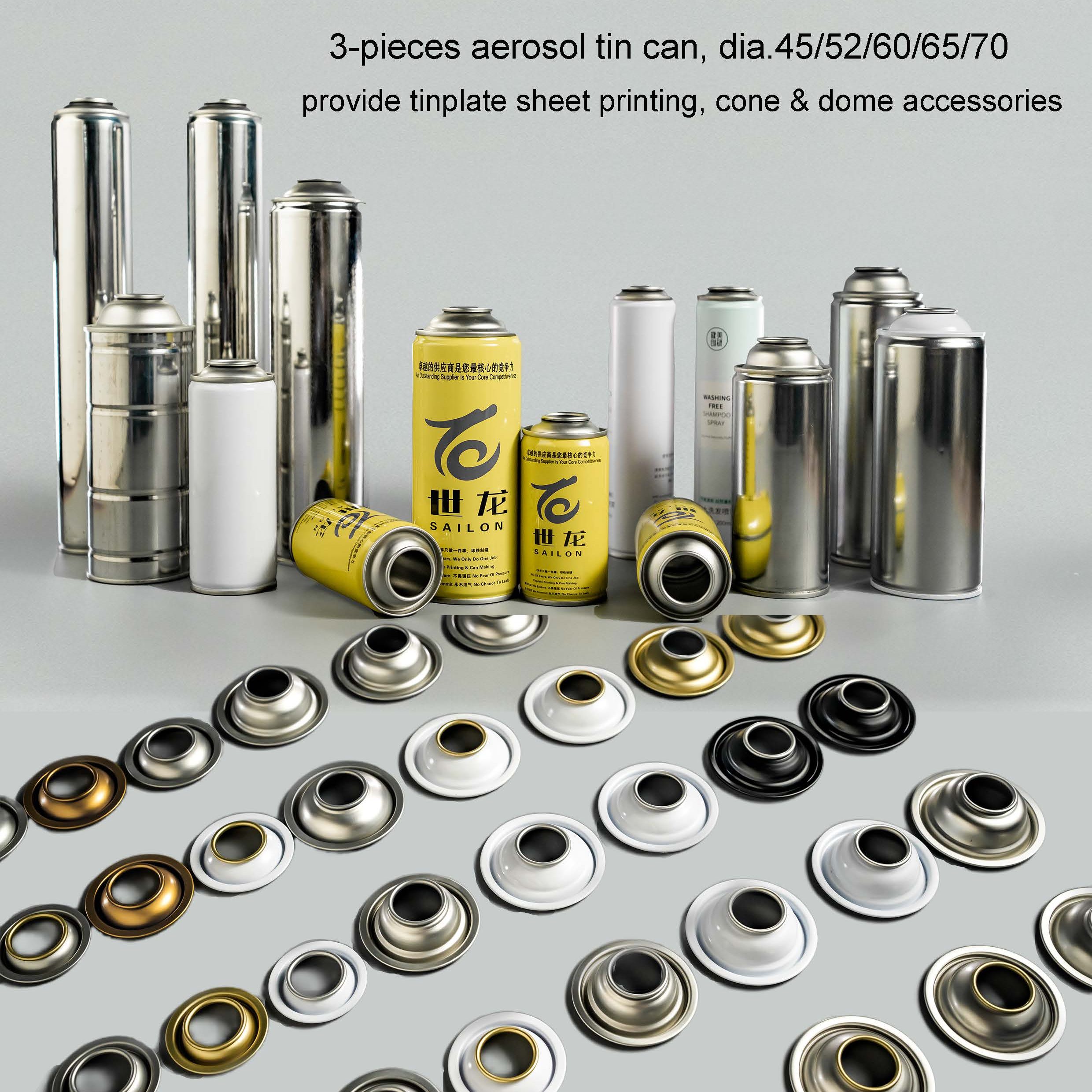
When organizing the garage early in the morning, I spotted a few Aerosol Tin Cans piled in the corner—some empty insecticide cans and an unfinished rust-proof spray paint. It suddenly reminded me of the near-accident at my neighbor’s house last week: they casually left an aerosol can exposed to the sun on the balcony, which almost caused a hazard. This made me realize that the safety misconceptions about such daily necessities are really hidden in many people’s lives. The seemingly ordinary Aerosol Tin Can actually harbors many easily overlooked risk points. Today, let’s uncover 5 dangerous misconceptions that 90% of people are likely to fall for.
Misconception 1: It’s okay to leave it in high-temperature environments and expose it to the sun?
Do you often think “it should be fine since it’s unopened” when leaving an Aerosol Tin Can in the car or on a sunlit balcony in summer? To be honest, this is one of the most dangerous behaviors. Aerosol Tin Cans contain compressed gas inside. According to safety data released by fire departments in 2025, when the ambient temperature exceeds 50℃, the pressure inside the can will rise sharply, increasing the explosion risk by more than 3 times.
A case occurred in a residential community last year: a resident left a spray cleaner on the windowsill to be exposed to the sun. In the afternoon, the can body ruptured, and the sprayed liquid splashed onto the curtains, almost causing a fire. The correct approach is to store Aerosol Tin Cans in a cool and well-ventilated place with the temperature controlled between 0-40℃, away from heat sources such as heaters and stoves, and never directly in direct sunlight.
Misconception 2: Empty cans have no pressure, so you can just throw them in the trash?
“All the contents in the can are sprayed out; it’s just an empty shell. Is there any need to be particular about throwing it away?” This is a common misconception among many people, but in reality, empty Aerosol Tin Cans are not “empty” at all. There are usually small amounts of residual compressed gas and original liquid inside the cans. When these residues are squeezed or collided, they may still leak or even explode.
According to environmental protection department regulations, since 2025, discarded Aerosol Tin Cans have been clearly classified as recyclable dangerous goods. The correct disposal method is simple: first invert the can, press the nozzle to release the remaining pressure, confirm that no more gas is sprayed, poke a small hole in the can body, and then put it into the designated recyclable trash bin. It’s both safe and environmentally friendly—why not do it?
Misconception 3: Shaking vigorously and spraying immediately gives better results?
When using hairspray, spray paint, or other Aerosol Tin Cans, many people habitually shake them vigorously for dozens of seconds before pressing the nozzle immediately. Do you think this can make the liquid inside the can mix more evenly and achieve a better spraying effect? In fact, the opposite is true.
Vigorous shaking will cause the pressure inside the can to soar in an instant. Spraying immediately at this time may cause the high-pressure liquid to break through the nozzle seal, leading to liquid splashing. This not only affects the use effect but may also splash on the skin and eyes, causing irritation. A more reasonable approach is to shake gently 3-5 times to allow the liquid to mix naturally, let it stand for 10 seconds before use—this is both safe and ensures uniform spraying.
Misconception 4: Using near open flames is okay as long as you’re careful?
Have you ever sprayed mold release agent on a grill or used oil stain cleaner near a gas stove? The original liquid of many Aerosol Tin Cans is flammable. Even if marked “flame-retardant,” you can’t take it lightly.
According to a 2025 safety report in the catering industry, 40% of kitchen fires are related to improper use of flammable Aerosol Tin Cans, and nearly 70% of them are caused by spraying near open flames. Remember one principle: when using such Aerosol Tin Cans, keep a safe distance of at least 1 meter, stay away from heat sources such as open flames, cigarette butts, and high-temperature electrical appliances, and ventilate for 5 minutes after use before approaching fire sources.
Misconception 5: It’s okay to mix nozzles from cans with different contents?
“The nozzle of this can is broken; can I try replacing it with the nozzle from another Aerosol Tin Can? It should be universal, right?” This idea of temporary replacement actually hides chemical risks. The original liquid components in different Aerosol Tin Cans are different—some are acidic, some are alkaline. Mixing nozzles may cause residual components to undergo chemical reactions, producing toxic gases, or even corroding the can body and causing leaks.
Moreover, the nozzle interface designs of Aerosol Tin Cans from different brands are different. Forced installation may lead to poor sealing, resulting in uncontrolled spraying during use. Therefore, whether the nozzle is damaged or lost, do not mix and match at will. Replacing with the same model product directly is the safest choice.
Misconception Summary Quick Reference Table
Q&A: Do you have these questions about Aerosol Tin Cans?
- Q: Can expired Aerosol Tin Cans still be used?A: It’s not recommended. Expired Aerosol Tin Cans may leak pressure due to aging seals, or the original liquid may deteriorate and cause chemical reactions, posing safety hazards. Even if they seem normal, it’s better to replace them with new cans.
- Q: Besides avoiding extrusion, what other details should be noted when transporting Aerosol Tin Cans?A: You can refer to the safety parameter table below; these details can further reduce risks:
Transportation and Storage Safety Parameter Table
| Scenarios | Core Requirements | Additional Notes |
|---|---|---|
| Personal carrying | Ventilated environment, avoid sealing | Do not place with sharp objects like keys or scissors |
| Courier transportation | Mark with “hazardous goods” label | No more than 5 cans per package, padded with foam for cushioning |
| Warehouse storage | Separate storage, away from oxidants | Temperature controlled at 15-30℃, regular inspection of sealing conditions |
In fact, the safe use of Aerosol Tin Cans mainly lies in the twelve words: “Respect pressure, stay away from heat sources, and handle standardizedly.” Many misconceptions are easy to fall for because people think “it’s okay once in a while” or “I’ve been doing this before and never had an accident.” But there’s no luck with safety. Knowing a little more common sense and paying attention to more details can avoid unnecessary risks. I hope these 5 misconceptions and two practical tables can serve as a reminder. Next time you use an Aerosol Tin Can, keep an eye out and keep safety always on track.