

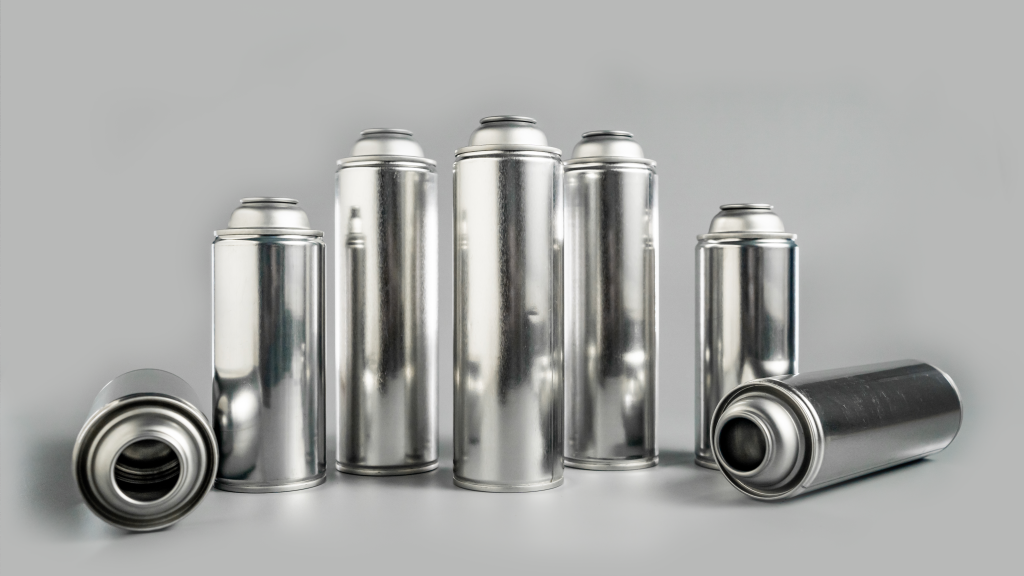
The Common Bulk Production Pain Point: Tire Shine Can Label Peeling & Rim Grease
Most custom aerosol cans for tire shine manufacturers face an unsolved batch quality issue. Finished silicone tire shine spray can products pass factory inspection smoothly, yet develop greasy can rims and loose labels after storage and shipping. Silicone oil creep on aerosol can valve is the real culprit behind unstable labeling quality, rather than glue or labeling machine defects.
Many production teams waste costs on replacing adhesives and adjusting labeling parameters. These adjustments only deliver temporary improvements. In high-temperature storage and long-distance bulk transportation, aerosol can label adhesive failure silicone occurs repeatedly, causing batch returns and brand reputation losses for tire shine product lines.
How Silicone Oil Migration Ruins Can Label Adhesion
Silicone-based tire shine formulas rely on low-surface-tension oil to deliver glossy and long-lasting coating effects. This core material advantage becomes a packaging risk during post-production storage.
Silicone oil features extremely low surface tension, enabling strong capillary penetration. It continuously migrates upward along tiny gaps between valve stems, sealing rings and can crimps. This oil migration on tinplate cans leaves a thin, invisible greasy film on the can mouth.
Label adhesives cannot bond firmly on oil-contaminated metal surfaces. The oil film isolates the glue from the tinplate substrate. Slight temperature changes or vibration will cause label warping, edge lifting and complete peeling, which explains most tire shine spray can label peeling solution consultation demands in the industry.
Why Standard Tinplate Aerosol Cans Cannot Stop Silicone Creep
Conventional metal aerosol can supplier standard products adopt basic single-layer crimp sealing structures. This design works well for water-based and alcohol-based sprays, but not for silicone-containing formulations.
Standard cans reserve micron-level dynamic gaps at valve assembly joints. These gaps are invisible to the naked eye but enough for silicone oil and vapor to penetrate and accumulate. Ordinary cans have no oil-repellent protection on inner crimp walls. Grease keeps accumulating until it breaks down label adhesion.
Aluminum cans show milder symptoms due to built-in lining films. Mass-produced unmodified tinplate cans always suffer from prominent silicone migration problems in aerosol packaging for silicone-based products.
Tested: Standard Can vs. SAILON Anti-Creep Can (28-Day Aging Data)
SAILON completed a standardized 28-day accelerated aging test to verify anti-migration performance. The test simulated high-temperature storage and transportation vibration for bulk production scenarios. All data follows FINAT FTM 2 labeling adhesion standards with ImageJ quantitative analysis.
| Testing Items | Standard Unmodified Tinplate Cans | SAILON Anti-Silicone Creep Custom Cans |
|---|---|---|
| 45℃ 28-day can rim oil coverage rate | 42.8% | 3.1% |
| Label peeling force retention rate | 27% (severe attenuation) | 91.5% (stable adhesion) |
| Batch label defect rate after vibration | 38.2% | 1.2% |
| Long-term storage dust contamination rate | 45.6% | 2.8% |
The test data proves that post-process labeling optimization cannot fix structural defects. Only professional anti-creep coating for aerosol packaging can stabilize batch quality for silicone tire shine sprays.
SAILON 3-Layer Root-Cause Anti-Oil Migration Solution
As a professional tinplate aerosol can manufacturer, SAILON designs targeted layered barriers against silicone creep. This full-protection solution adapts to tin can packaging for tire shine manufacturers bulk production and complex shipping scenarios.
1. Valve Stem Plasma Oil-Repellent Barrier
Upgrade ordinary valve stems with low-temperature plasma modification and nano fluorine coating. The treatment changes surface wettability fundamentally. Silicone oil can no longer attach or climb along valve gaps, cutting off the core migration path.
2. Inner Crimp Nano Oil-Repellent Film
Apply high-temperature cured nano coating on can mouth inner walls before crimp molding. Trace creeping silicone oil condenses into round beads and flows back into the can. No grease accumulates in crimp grooves to damage label adhesion.
3. Optional External Physical Oil-Blocking Gasket
Equip customized annular oil-absorbing gaskets for extreme working conditions. The gasket captures residual oil vapor during long-distance transportation. It serves as the final safety barrier for high-standard bulk orders.
Real Bulk Production Case: Defect Rate Reduction Effect
A regional tire shine brand with a monthly output of 500,000 cans faced serious batch label failure. Their standard tinplate cans showed a 5.2% label peeling defect rate in summer high-temperature seasons.
After switching to SAILON anti-silicone creep custom cans, the brand’s label defect rate dropped to 0.3%. The optimized packaging completely solved oil migration problems. It reduced rework costs and improved shelf display consistency for long-term retail circulation.
How to Select Qualified Aerosol Cans for Silicone Tire Shine Products
Most packaging failures come from mismatched can structure and formula characteristics. Manufacturers can follow three core standards for model selection:
- Priority anti-creep structure: Choose cans with valve stem and crimp double oil-repellent treatment, not only ordinary polished surfaces
- Match working conditions: Add physical gaskets for orders with long ocean shipping and high-temperature storage cycles
- Verify through aging tests: Confirm 28-day high-temperature aging data and FINAT FTM 2 adhesion test reports before mass production
FAQ for Silicone Tire Shine Aerosol Can Packaging
Q1: Will anti-creep coating affect spray atomization and output performance?
A: No. All coating and modification processes only act on sealing and crimp areas. They do not change valve channel structure, spray volume or atomization fineness. Product use performance remains fully compliant with industry standards.
Q2: Why do silicone formulas cause more labeling problems than other aerosol products?
A: Silicone oil has far lower surface tension than water-based and solvent-based formulas. It produces continuous micro-migration on metal gaps. Ordinary adhesive cannot resist long-term oil contamination interference.
Q3: Is the nano oil-repellent coating durable for long shelf-life products?
A: Yes. The high-temperature cured coating features strong adhesion, oil corrosion resistance and aging resistance. It keeps stable anti-migration performance throughout the product’s entire shelf life.
Q4: Can this solution support different can capacities and custom printing?
A: Fully supported. SAILON industrial aerosol can customization covers 100ml to 1000ml tinplate cans. All anti-creep treatments can match personalized printing, valve specifications and packaging requirements.
Q5: Does oil migration happen only in high-temperature environments?
A: No. High temperature accelerates migration speed. Micro oil creep exists in normal temperature storage all the time. It leads to delayed label peeling after 1-2 months of shelf placement.
Q6: Can upgrading glue alone solve silicone oil label failure?
A: It cannot fundamentally solve the problem. High-strength glue can delay peeling slightly. But it cannot eliminate isolated oil film on metal surfaces. Structural anti-creep treatment is the only root solution.
Why Choose SAILON as Your Tinplate Aerosol Can Partner
SAILON focuses on customized tinplate aerosol can manufacturer solutions for silicone-based aerosol products. We solve industry-wide pain points of oil migration and label failure from structural design and surface process upgrades.
Different from ordinary suppliers focusing only on conventional can production, we tailor anti-creep schemes according to customer formulas, storage environments and transportation modes. All customized products pass standardized aging and adhesion tests to guarantee batch stability.
Manufacturers with long-term label defect and oil contamination troubles can contact SAILON for free sample testing and one-stop custom aerosol cans for tire shine packaging solutions.