

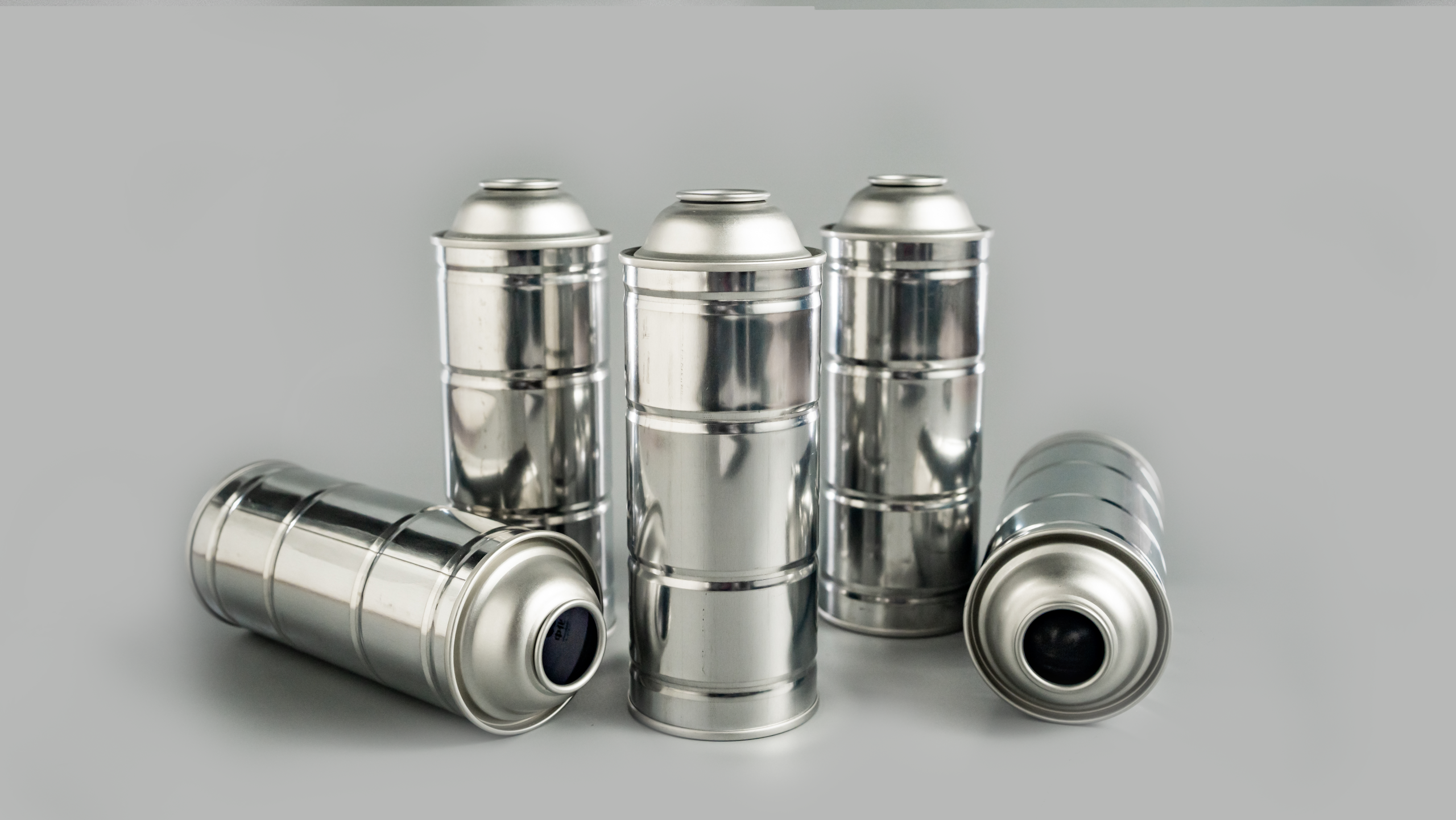
1. The Problem: Unplanned Downtime Killing Your Filling Line Efficiency
Your aerosol filling line stops. Again. The alarm sounds. Production grinds to a halt. Your first instinct? Blame the equipment. Blame the line speed. But what if the real culprit arrived on the pallet before the first can ever reached the filling head? Most unplanned aerosol can filling line jamming issues are not caused by faulty machinery or operator error. They stem from hidden tinplate aerosol can manufacturing compatibility issues that most production teams overlook during quality checks.
Persistent filling line downtime aerosol creates far larger losses than most plant managers realize. A standard 200 CPM filling line that jams just three times per shift loses approximately 7,200 cans per day. Over a 250-day production year, that’s 1.8 million cans of lost output — before even counting propellant waste, manual cleanup labor costs, and accelerated mechanical wear on expensive filling equipment. For high-volume production plants, these uncalculated losses quietly erode annual profit margins and delay customer delivery schedules.
2. The Root Cause: Can Curl Diameter vs. Filling Head Compatibility Mismatch
If you want to know how to stop aerosol can jamming on filling line permanently, you need to look past surface-level mechanical faults and focus on precision dimensional matching. Stable aerosol filling depends entirely on controlled clearance between the can curl diameter and filling head inner diameter specification. The industry’s safe operating clearance ranges from 0.3mm to 0.5mm, which allows smooth positioning, pressing, and sealing without friction or extrusion.
Problems emerge when cumulative manufacturing and mechanical tolerances break this critical balance. The tinplate aerosol can curl diameter tolerance (typically ±0.15mm) combined with minor tinplate thickness fluctuations creates subtle dimensional deviations across production batches. Over months of operation, filling heads develop micro-wear that expands the inner bore diameter. This slow shift ruins preset calibration and creates inconsistent contact between the filling head and can rim.
Beyond pure size deviation, irregular curl forming — including out-of-round rims, tiny edge burrs, and overextended flanges — creates uneven resistance during high-speed pressing. These subtle defects are the main reason why perfectly spec-compliant cans still trigger frequent line jams, creating ongoing aerosol can manufacturing compatibility issues in mass production.
3. 3 Signs Your Line Has Curl Diameter Compatibility Issues
You don’t need complex testing equipment to diagnose curl-to-filling-head mismatch. These three clear operational signs let your engineering team self-inspect and confirm the problem within one production shift:
- Fixed station jamming: Jams consistently occur at the exact same filling head position, rather than randomly across the entire line. Random jams usually point to conveyor or alignment issues; fixed-station jams almost always indicate dimensional incompatibility.
- Uniform circumferential scratch marks: Inspect jammed cans closely. Consistent, even scoring around the entire can rim diameter proves rigid friction between the can curl and filling head inner wall during pressing.
- Speed-dependent failures: Jamming frequency rises sharply as line speed increases. Faster operation amplifies minor centrifugal offset, turning tiny dimensional gaps into repeated mechanical collisions.
4. How SAILON Solves Filling Head Compatibility & Jamming Problems
Instead of relying on generic industry standards that fail real-world equipment matching, SAILON implements a equipment-first customized production process to reduce filling line downtime aerosol facilities face. Our core solution targets the root mismatch between can curl dimensions and on-site filling head parameters.
First, we abandon universal curl size templates and conduct one-on-one parameter calibration based on customers’ actual filling head inner diameter specification. Our team records filling head model, wear status, and line speed to customize exclusive tinplate aerosol can curl diameter tolerance ranges for each production line.
Second, we replace traditional batch sampling with 100% full inspection of can curl outer diameter, roundness, and edge finish before delivery. This eliminates batch tolerance stacking and ensures every can matches the customer’s filling equipment clearance requirements.
Third, we build long-term equipment matching files for every partner. Whenever customers replace filling heads or upgrade line speed, we synchronously adjust can curl forming parameters to maintain permanent filling head compatibility and avoid recurring jamming faults.
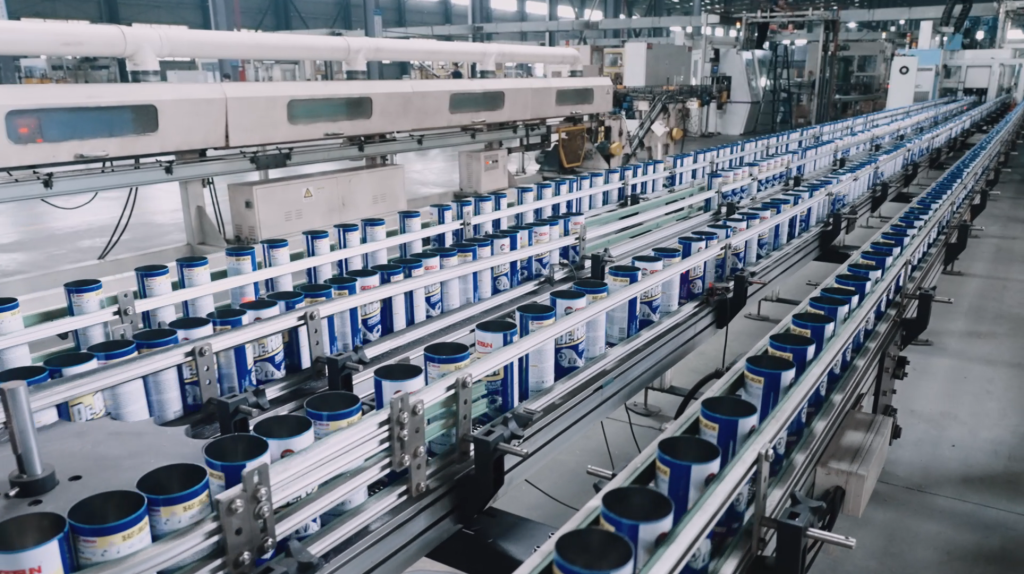
5. Real Client Case Study & Quantifiable Data Results
Data always proves the value of precision customization better than theoretical explanations. One of our long-term clients operates a 300 CPM high-speed aerosol filling line for personal care aerosol products, facing severe recurring jamming and unplanned downtime for years.
Before cooperation, the plant suffered 47 jamming incidents per production shift, leading to frequent emergency stops. Annual downtime accumulated to 186 hours, causing massive output loss, propellant waste, and repeated manual maintenance labor costs.
After SAILON optimized the can curl diameter standard and customized the tolerance range to perfectly match their filling head inner diameter and high-speed operating status, the client’s jamming frequency dropped drastically to only 2 incidents per shift. Annual line downtime was reduced from 186 hours to under 8 hours, saving an estimated substantial costs in lost production, material waste, and labor maintenance. The client’s line overall equipment efficiency (OEE) improved significantly, with stable continuous mass production realized.
6. Frequently Asked Questions (FAQ)
These targeted technical questions match high-intent industrial search queries, answering the core doubts of production engineers and procurement teams:
Q: What is the #1 cause of repeated aerosol can jamming on high-speed filling lines? A: The top cause is unaddressed dimensional mismatch between can curl diameter and filling head inner diameter. Accumulated manufacturing tolerances, filling head micro-wear, and non-standard curl forming create inconsistent operating clearance, which triggers repeated jams and filling line downtime aerosol production lines encounter.
Q: Is there a universal curl diameter standard that works for all filling heads? A: No universal standard applies to all filling equipment. General industry specifications only provide reference values. Stable production relies on personalized matching between tinplate aerosol can curl diameter tolerance and the actual inner diameter, wear condition, and operating speed of your specific filling heads.
Q: What’s the fastest way to reduce filling line jamming without replacing equipment? A: The most cost-effective solution is to recalibrate your can curl dimensional standards to match existing filling head specifications. Optimizing curl tolerance control and eliminating unqualified can rim deformation can drastically reduce jamming rates without equipment replacement or line renovation.
Q: Does curl diameter mismatch affect valve crimping or seal integrity? A: Generally no. Curl dimensional incompatibility mainly impacts filling positioning and head docking stability. It does not interfere with subsequent valve crimping procedures or final aerosol can seal performance, which is why this issue is often misdiagnosed as a sealing quality defect.
7. Get Stable Filling Line Performance With SAILON Custom Cans
Persistent aerosol can filling line jamming is never an unavoidable production cost — it is a solvable precision matching problem. Generic standard cans cannot adapt to individualized high-speed filling equipment, which is why most factories struggle with recurring downtime and unstable output.
As a professional manufacturer specializing in customized tinplate aerosol can production, SAILON focuses on equipment-adaptive precision manufacturing to eliminate aerosol can manufacturing compatibility issues from the source. We deliver tailored can curl diameter solutions for different line speeds, filling head models, and mass production demands, helping factories cut unplanned downtime, reduce waste, and maximize production efficiency.
If your filling line is troubled by frequent jamming and unstable operation, contact SAILON today to get a professional dimensional matching solution for your aerosol production system.