

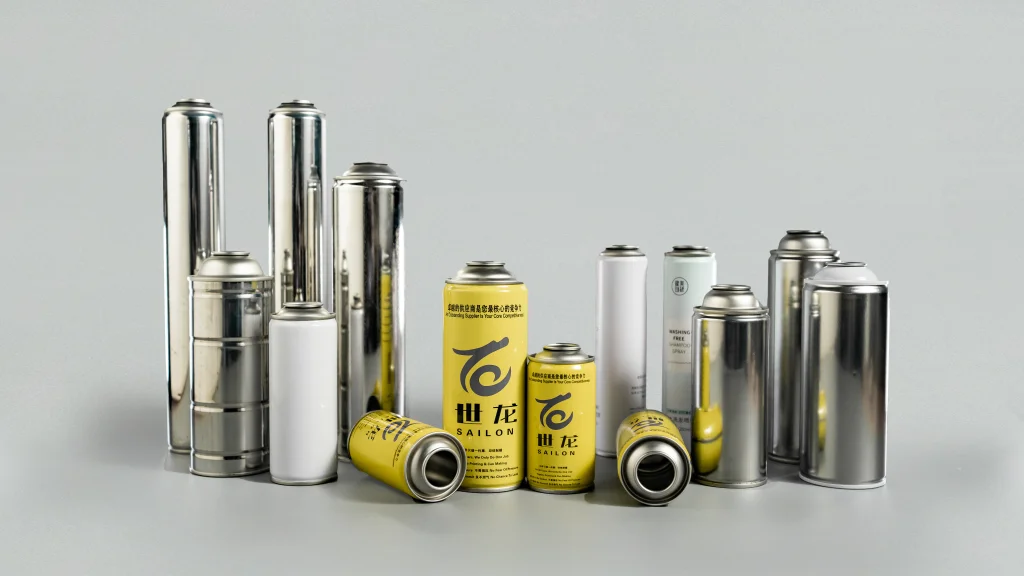
Technicians and product developers often encounter annoying issues with tin spray cans. Cans stop spraying halfway and cause customer complaints. Most teams struggle with aerosol can clogging because suppliers blame each other without clear judgment standards.
Many workers label all clogging issues as tank quality problems. This judgment stays inaccurate. Blockages come from two core sources: improper valve orifice matching or severe internal coating flaking. Simple field tests help teams define causes quickly.
Two Field Tests to Find Spray Can Clogging Causes
Inspectors do not need professional tools to judge spray can failures. Two basic tests identify problems for most standard tin aerosol cans.
First, remove the nozzle and check internal valve residues. Fine dry paint powder and soft flocs relate to formula and valve mismatch. Hard flakes and metal rust particles prove internal tank damage.
Second, test spraying with an inverted can. Smooth inverted spraying with blocked upright spraying means dip tube sediment blocks material flow. Full spraying failure in both states confirms broken valves or damaged inner coatings.
Valve-Related Clogging: Orifice and Formula Mismatch
Valve mismatch creates the most hidden spray can failures. Most factories use universal valves for all paint types without viscosity adjustment.
Small valve orifices cannot process high-viscosity paint efficiently. Thick paint accumulates inside valve openings and dries into solid blocks. Unrefined paint powder also gathers and blocks valve filter screens during repeated use.
Tank-Related Clogging: Internal Coating Peeling and Rust
Repeated batch complaints usually link to tank body defects. Strong paint solvents erode low-quality internal tank coatings.
Continuous solvent exposure cracks and peels inner lacquer layers. Floating coating debris sticks inside valve channels and stops liquid flow. Damaged weld seam coatings also expose tinplate material. Direct contact between paint and metal creates rust particles and triggers clogging.
Spray Can Clogging Responsibility Checklist
| Clogging Material | Root Cause | Responsible Party |
|---|---|---|
| Dry paint powder, soft pigment flocs | Poor paint fineness, unbalanced viscosity, wrong valve orifice size | Formula & valve supplier |
| Hard coating flakes | Solvent erosion peels internal tank coating | Tin can manufacturer |
| Rust metal particles | Broken weld coating causes tinplate oxidation | Tin can manufacturer |
| Rubber & valve debris | Worn or aging valve sealing parts | Valve supplier |
FAQs
Q: What designs prevent common tin spray can clogging?
Two practical structural upgrades reduce blockage risks. Internal shaking balls break settled pigment and thick paint. Post-use inverted spraying cleans residual paint inside valve ports. As a professional tin spray can custom manufacturer, SAILON matches valve specs and internal structures for different paint formulas.
Q: Does first-time spray clogging mean defective cans?
Not always. Insufficient shaking concentrates heavy paint at the bottom and blocks valves temporarily. Persistent clogging after full shaking confirms real structural or matching defects.