

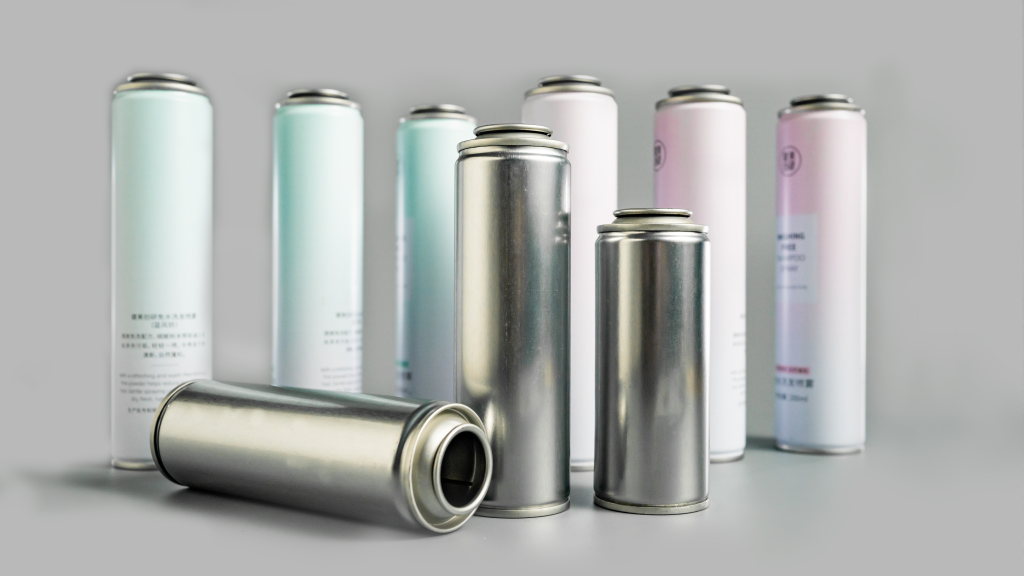
Why Do Tinplate Aerosol Cans Always Rust at Sea? The Ultimate “Zero-Loss” Ocean Freight Protection Guide
For B2B buyers and exporters of aerosol products, few things are more frustrating than opening a container after weeks at sea only to find the tinplate cans covered in rust spots or dented from compression. This means direct financial losses and a heavy blow to customer trust.
How can you combat container humidity, drastic temperature swings, and rough maritime handling? This guide takes you from raw material selection down to packaging details to help you achieve zero-loss ocean freight.
1. The Invisible Killer: What Does “Container Sweat” Do to Your Metal Cans?
When containers cross the equator or experience massive diurnal temperature ranges, moisture in the air condenses into droplets—commonly known as “Container Rain.”
- Electrochemical Corrosion: Although tinplate has a protective tin layer, long-term exposure to high humidity and condensed salt fog triggers rapid electrochemical reactions at micro-scratches or seams, spreading red rust.
- Compression Damage: When cargo ships roll in heavy seas, improperly secured pallets lead to shifting layers and localized structural collapse.
2. Inner Defense: Eradicating Rust from Material Selection and Coating
Corrosion prevention is 30% packaging and 70% foundation. If the raw can lacks basic corrosion resistance, top-tier outer packaging is useless.
- Control Tin Coating Weight: Choosing prime tinplate with uniform tin coating weights meeting international standards is your first line of defense.
- Internal Coating Integrity (Gold Lacquer / Epoxy): For water-based formulas or harsh chemicals, internal coatings must be pinhole-free and uniformly sprayed to prevent contents from eating through the steel from the inside out.
3. Physical Defense: Four Packaging Details That Determine Cargo Survival
Before loading a container, standard export-grade packaging details dictate success or failure:
- High-Strength Stretch Film & Edge Protectors: Secure pallets tightly with thick wrap and corner protectors to prevent shifting during transit.
- Strategic Desiccant Placement: Calculate container volume accurately and place high-absorption calcium chloride desiccants to absorb ambient moisture.
- Moisture-Proof Interlayers: Place waterproof kraft paper or PE film between pallet layers to block direct contact with condensation.
- Pallet Elevation & Moisture Control: Ensure container wood flooring meets moisture standards, adding waterproof liners if necessary to stop ground dampness.
4. Avoiding Logistics and Warehousing Pitfalls
- Avoid container slots near the outer hull that are exposed to direct sunlight and high heat.
- Upon arrival at the destination port, avoid unboxing immediately if there is a massive temperature difference; allow a tempering period to prevent instant moisture condensation on cold cans.
FAQ
- Q1: Can slightly rusted tinplate aerosol cans still be used?
- A: Minor flash rust on the bottom dome edges usually doesn’t affect structural safety, but it severely hurts product aesthetics and buyer acceptance. Rust on seams or welds poses leakage and burst hazards and must be scrapped.
- Q2: Why do cans still rust even with desiccants?
- A: Common causes include insufficient desiccant quantity or excessive moisture content in the container’s wooden floor. Furthermore, if cans retain residual moisture before packing or if temperature gradients are too extreme, desiccants cannot cope with continuous container rain alone.
To completely eliminate ocean freight rust and deformation risks, choosing a manufacturer with superior anti-corrosion techniques and stringent factory inspection is vital. As a premier aerosol can and tinplate packaging solution provider, SAILON delivers pressure-resistant, rust-resistant, and masterfully crafted aerosol cans worldwide. Visit our website to explore custom options.