

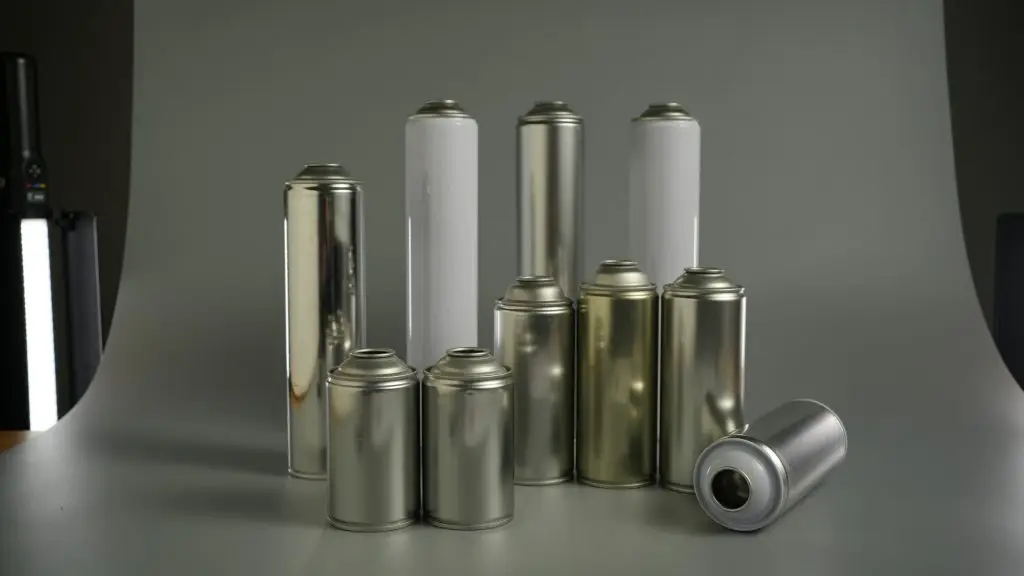
In the personal care and precision industrial chemical markets, the portability and compliance of product packaging often determine how quickly a product scales. Many brand owners fall into a common trap when developing travel-size items: blindly choosing plastic (PET) spray bottles or overlooking how can diameter affects user ergonomics and filling line compatibility.
For brands looking for a high-value, cross-industry metal packaging solution, 45mm aerosol tin cans and 52mm tinplate aerosol tin cans are rapidly becoming the top choice for global B2B buyers and product managers. These small-caliber portable aerosol tin cans hit the sweet spot for airline capacity limits and travel restrictions while delivering exceptional structural integrity for precision cleaning applications. This guide breaks down the selection logic, engineering pitfalls, and real-world applications of these containers.
1. The Engineering and Ergonomic Logic Behind the “Golden Calibers”
1.1 Why 45mm and 52mm?
In aerosol container design, the body diameter directly dictates internal stress distribution and user handling.
- 45mm Diameter: Perfectly fits smaller hand grips for lightweight designs, commonly used in premium travel body lotions, after-sun cooling sprays, or dry shampoos. Its lightweight profile significantly reduces unit logistics costs.
- 52mm Diameter: Optimizes internal volume while maintaining high portability, serving as the gold standard for electronics cleaners, PC cleaners, and automotive precision contact sprays.
1.2 Dual-Track Demands: Travel and Precision Industry
Consumers expect portable packaging to be leak-proof and provide a fine, consistent spray pattern. Whether complying with TSA airline restrictions during business travel or allowing engineers to spray electronic cleaners single-handedly in cramped server racks, products housed in necked-in small aerosol tin cans offer superior control stability. Unlike straight-wall cans, the necked-in design recesses the valve and actuator, preventing accidental discharge during transit or in crowded toolboxes.
2. Cross-Industry Selection Matrix: From Personal Care to Industrial Cleaning
To help brands align specifications early in project planning, here is a reference matrix across different application sectors:
| Application Sector | Typical Products | Recommended Caliber / Style | Suggested Capacity Range | Key SAILON Technical Specs |
| Beauty & Personal Care | Body Lotion, After-sun Spray, Dry Shampoo | 45mm / 52mm Necked-in Can (NI) | 50ml – 150ml | Food/cosmetic grade internal coating, anti-oxidation, odor-free |
| Home & Cleaning | PC Cleaner, Carpet Spot Remover | 52mm Necked-in Can (NI) | 100ml – 250ml | High deformation/burst pressure compliance, zero leakage |
| Automotive & Industrial | Valve Lubricant, Precision Joint Cleaner | 52mm Straight / Necked-in Can | 150ml – 300ml | Solvent-resistant internal coating, compatible with professional valves |
As shown above, precise control over travel-size aerosol tin can dimensions and precision cleaner spray can selection is vital to ensuring products pass international export compliance tests.
3. Engineering Pitfalls to Avoid: Pressure Safety and Sealing in Small-Caliber Cans
During mass production and retail distribution, issues with small metal cans typically center around pressure deformation and rim leakage. Here are critical areas R&D and procurement teams must monitor:
3.1 Necked-in Processing vs. Pressure Resistance
During necking operations, substandard mold precision can cause uneven metal stress around the neck. When pressurized with propane/butane propellants, high ambient temperatures can cause top deformation. Ensuring a balance of aerosol tin can pressure resistance and portability relies on high-precision automatic welding and top/bottom dome stamping. Always request burst pressure test reports from your supplier.
3.2 Internal Coating Blind Spots Against Solvent Corrosion
Body lotions often contain active moisturizing agents, surfactants, or mild acids, while industrial cleaners frequently include harsh organic solvents. If the internal coating (such as epoxy-phenolic or food-grade film) has uneven thickness or pinholes, the formula will corrode the tinplate substrate within months, leading to wall perforation or hydrogen bulging. Formulations must be matched carefully with the correct interior coating material.
4. High-Frequency B2B FAQ
- Q: How compatible are 45mm and 52mm aerosol tin cans on existing filling lines?A: Standard designs feature the universally accepted 1-inch (25.4mm) opening. This allows cans to seamlessly fit mainstream filling heads and valve systems worldwide, requiring only minor guide-rail adjustments when switching between diameters, keeping conversion costs minimal.
- Q: What are the decisive advantages of small tinplate aerosol tin cans over plastic (PET) spray bottles?A: The primary advantages are barrier performance and pressure thresholds. PET bottles offer weak oxygen and UV barriers and cannot withstand the high internal pressures required for aerosol propellants. In contrast, small tinplate cans provide zero oxygen permeability, complete light shielding, and stable, micro-mist atomization using liquefied propellants.
Conclusion
In a market saturated with lookalike products, superior packaging serves as the ultimate gateway to international markets. Whether launching a luxury travel-grade body lotion or an efficient precision cleaner, choosing high-performance SAILON portable cans ensures safety, pressure resistance, and premium tactile feel. If you are looking for custom dimension specifications or a reliable supply chain partner, get in touch with our packaging engineering team today.