

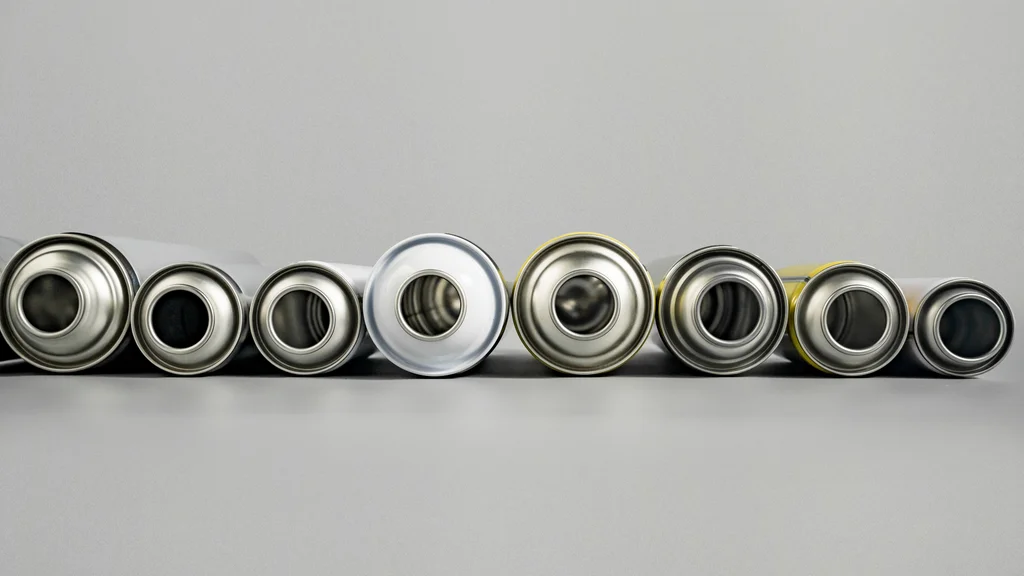
For brands, contract manufacturers and procurement teams in the home care sector, end-user complaint management directly defines a product’s market lifecycle. For household insecticides and air fresheners — products often stored in humid, enclosed spaces like bathrooms and kitchens — complaints about cracked plastic lids, sticky nozzles and weak spray performance have long been a persistent, hard-to-solve challenge.
Many manufacturers simply attribute these failures to natural plastic aging, overlooking the combined effect of tinplate aerosol can system compatibility, active ingredient chemistry and environmental stress. This article breaks down the root causes from an R&D and procurement perspective, and shares proven, field-tested complete solutions.
1. Root Causes of Aerosol Component Failure in High-Humidity Environments
Home care products designed for bathroom and kitchen use are constantly exposed to fluctuating temperatures and high relative humidity. Lid cracking and nozzle clogging are rarely caused by a single factor; instead, they stem from three overlapping issues:
- Environmental stress: Cyclical temperature and humidity changes trigger residual stress release inside plastic parts, leading to stress-line cracking and deformation over time.
- Chemical attack: Essential oils in air fresheners and organic solvents in insecticides gradually swell and degrade low-quality plastics, accelerating material aging and brittleness.
- Fit tolerance misalignment: Moisture-induced dimensional changes in plastic components disrupt the original fit with the tinplate aerosol can neck, causing actuation jamming and side leakage.
2. Comparison: Conventional Components vs. High-Humidity Upgrade Solution
| Comparison Category | Conventional Industry Plastic Lid & Nozzle | SAILON Complete Tinplate Aerosol Can Solution for Home Care |
|---|---|---|
| Base Material | Made from recycled PP or low-grade PE with poor stress crack resistance and inconsistent batch quality | Formulated with virgin high-toughness copolymer acetal and premium modified PP for stable molecular structure and excellent impact resistance |
| Humidity & Temperature Resistance | Prone to moisture absorption and deformation; internal stress leads to cracking; large dimensional deviation after thermal cycling | Excellent hydrolysis resistance and dimensional stability; no cracking or deformation after -10°C to 60°C thermal cycling, ideal for bathroom environments |
| Content Compatibility | Susceptible to swelling and degradation by essential oils, alcohols and ester solvents; becomes sticky or brittle with long-term contact | Outstanding chemical inertness to common aerosol solvents, fragrance oils and insecticide actives; no swelling or degradation after prolonged immersion |
| Tolerance Control | Standard tooling with wide tolerance ranges; moisture-induced snap-fit shrinkage causes sticking and side leakage | Precision tooling with micron-level tolerance control; perfectly matched to 45mm/52mm/60mm/65mm/70mm tinplate aerosol can necks for smooth, consistent actuation |
| Total Cost of Ownership | High complaint rate, heavy return and brand reputation costs, frequent supplier changes | Full-process quality control, compatible with automatic filling lines; end-user complaints can be reduced by over 80%, delivering lower long-term total cost |
3. Targeted Solutions for Two Common Failure Scenarios
Scenario 1: Lid Cracking in Hot, Humid Bathroom Environments
- Brand pain point: Air fresheners and bathroom cleaners stored in bathrooms face drastic temperature and humidity swings from shower use. Environmental Stress Cracking (ESC) of the outer lid ranks among the top 3 complaints for home care products, directly hurting repurchase rates and e-commerce review scores.
- SAILON solutions:
- Optimized injection molding process: Strictly controlled holding pressure and staged cooling cycles eliminate residual internal stress in plastic parts, preventing stress-induced cracking from environmental changes.
- Upgraded material formulation: Uses engineering plastics with a high Environmental Stress Crack Resistance (ESCR) rating, engineered to withstand extreme high-humidity, high-temperature conditions.
- System-level can-lid matching: Custom-fit design for different household tinplate aerosol can neck diameters ensures even stress distribution across the lid, maintaining a tight, secure fit without cracking over the product lifecycle.
Scenario 2: Nozzle Clogging and Weak Spray After Long-Term Insecticide Storage
- Brand pain point: Household insecticides typically have a long shelf life and are used intermittently by consumers. After months of storage, crystalized product residue and swollen components can seize the nozzle valve, resulting in weak spray or complete blockage — a common trigger for negative product reviews.
- SAILON solutions:
- Optimized flow channel design: Refined internal nozzle geometry and passage angles reduce liquid residue and wall build-up, lowering the risk of crystallization from evaporation.
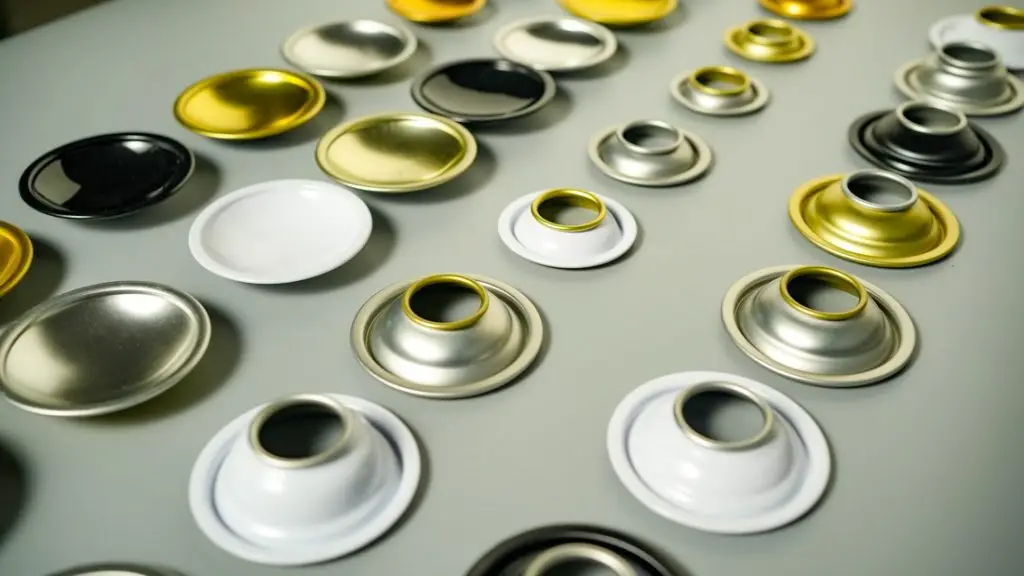
- Matched Cone & Dome valve assembly: Paired with high-sealing Cone & Dome valve bases to minimize content evaporation and leakage from the can side, protecting critical valve components from chemical attack.
- Solvent-resistant wetted parts: Valve cores and seals are made of solvent-resistant materials that do not swell or deform with long-term exposure to insecticide formulations, ensuring consistent actuation feel and spray performance.
4. SAILON Tinplate Aerosol Can Capabilities
Foshan SAILON Tinplate Printing & Can Making Co., Ltd., founded in 2007, is a professional tinplate aerosol can manufacturer integrating tinplate trading, printing and can production. Our 50,000㎡ facility is equipped with 8 high-speed aerosol can production lines and 10 printing lines, enabling full-chain solutions from can printing and forming to component matching.
We hold ISO 9001 quality management certification and US DOT certification for dangerous goods packaging. Our product portfolio covers normal pressure cans, high pressure cans and special-shaped cans with diameters from 45mm to 70mm, serving industries including home care, personal care, industrial chemicals and more.
5. Frequently Asked Questions (FAQ)
Q1: Why do strongly scented air fresheners cause lids to crack more easily?
A: High-concentration fragrance oils often contain organic solvents such as esters and terpenes. These ingredients slowly penetrate the molecular structure of standard plastics, causing swelling, aging and brittleness. When combined with environmental stress from high humidity, this dual effect greatly increases the likelihood of lid cracking. The core fix is to use chemically resistant virgin engineering plastics instead of standard recycled materials.
Q2: How do you balance lid tightness for shipping safety and user convenience?
A: A lid that is too loose can fall off during transportation and retail display, while one that is too tight makes single-handed opening difficult for consumers. SAILON precisely calculates neck tolerances for 45mm, 60mm and 65mm air freshener tinplate aerosol cans, and optimizes the snap-fit angle to achieve a balanced fit: secure enough to stay in place through logistics, yet easy for end-users to open.
Q3: Will tinplate aerosol cans rust in high-humidity home environments?
A: Quality tinplate aerosol cans from reputable manufacturers feature both internal and external coatings. SAILON cans use high-adhesion food-grade internal lacquer and scratch-resistant external coating, so they will not rust under normal high-humidity household conditions. For more demanding environments, we offer upgraded coating options for enhanced corrosion resistance.
Q4: Does aerosol can diameter affect the risk of nozzle clogging?
A: Indirectly, yes. Different insecticide tinplate aerosol can diameters correspond to different valve sizes and nozzle flow designs. Mismatched components and can dimensions can increase liquid residue and clogging risk. SAILON provides fully matched can + valve + nozzle systems across all diameters from 45mm to 70mm, eliminating fit-related failures at the system level.