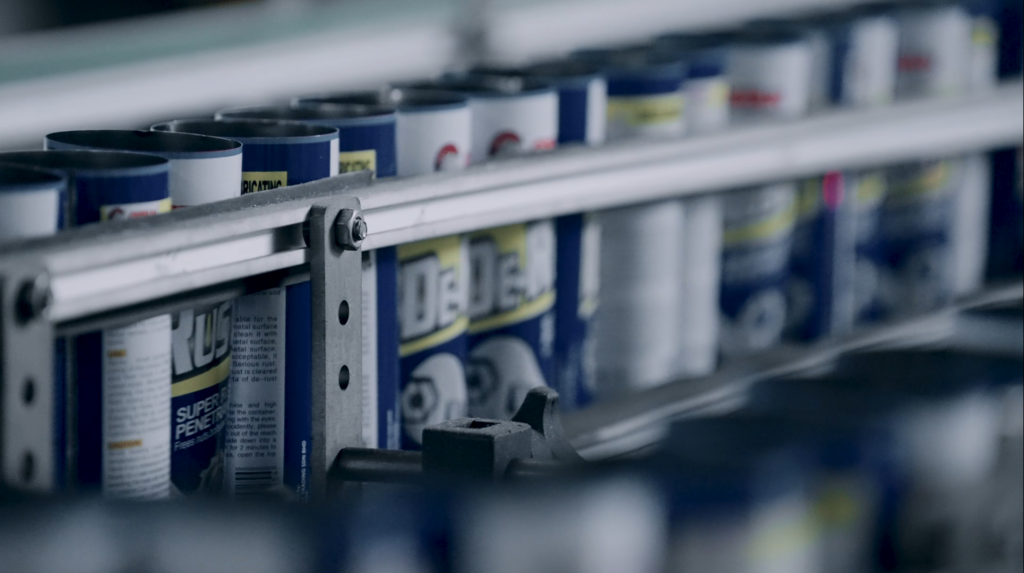

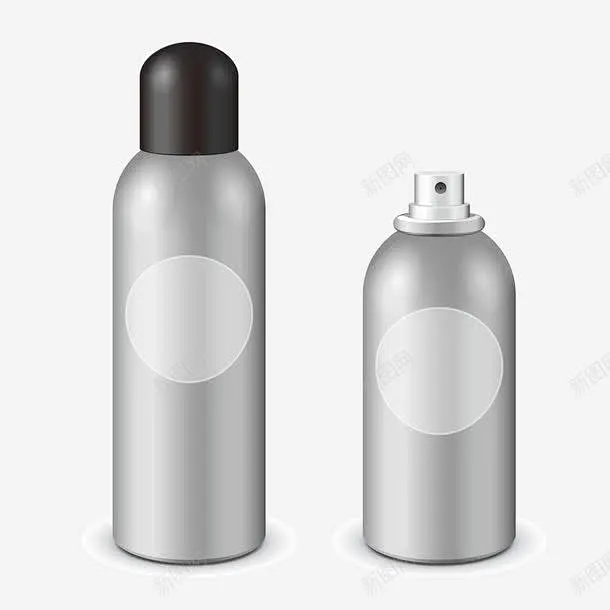
When it comes to aerosol products, the aerosol can is an indispensable component. It not only serves as the external packaging but also acts as a reliable barrier against potential leaks. Given its role as a pressure-resistant container, it is also the part most vulnerable to leaks and corrosion. Thus, making the right choice of an aerosol can is a crucial step in the manufacturing process of aerosol products.
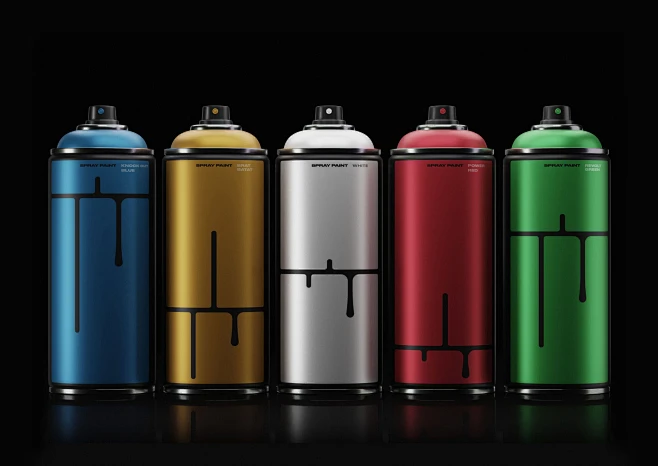
Diverse Types of Aerosol Cans
Aerosol cans can be primarily classified based on the materials used in their construction. The two most commonly found types in the market are tinplate aerosol cans and aluminum aerosol cans.
Tinplate Aerosol Cans
Tinplate cans have gained widespread popularity in the aerosol product industry and are among the most budget-friendly options.
In terms of shape, they can be categorized into straight-sided cans, necked-in cans, or cans with custom shapes tailored to specific needs.
Regarding internal coating, they are available in both uncoated (plain iron) and coated variants, allowing for flexibility based on the product’s requirements.
Based on their manufacturing structure, tinplate cans are divided into three-piece cans and two-piece cans, each with its own set of advantages and applications.
Aluminum Aerosol Cans
Aluminum aerosol cans are well-known for their attractive appearance and the ability to be molded into various shapes. However, they come at a higher cost compared to tinplate cans. These cans are predominantly used in industries such as cosmetics, pharmaceuticals, and food. While they are not entirely absent from household or automotive care sectors, their usage is relatively less frequent in these areas.
In addition to these two mainstream types, there are two other kinds of aerosol cans that are utilized abroad: PET aerosol cans and glass aerosol cans. These offer enhanced visual appeal and are more eco-friendly compared to metal cans. Nevertheless, their higher production costs make them less popular choices.
Chinese Standards for Aerosol Cans
Beyond materials, it is essential to be well-versed in the standards that govern aerosol cans in China. Some of the key standards include:
BB 0006—2014: This standard pertains to packaging containers, specifically aluminum aerosol cans with a 20mm aperture.
BB T0075-2017: It focuses on packaging containers, namely special aluminum cans designed for refrigerants.
BB T0073-2017: This standard is related to one-piece aluminum bottles used as packaging containers.
BB 0009—1996: It defines the aluminum material used in the production of spray cans.
GB/T 25164—2010: This standard covers aluminum aerosol cans with a 25.4mm aperture.
GB 13042—2008: It deals with iron aerosol cans used as packaging containers.
Key Factors to Consider When Selecting an Aerosol Can
Stability and Compatibility
The primary concern for any aerosol product is ensuring its stability and reliability. Depending on the nature of the product and its formula, compatibility and stability tests must be conducted. The data obtained from these tests serve as the theoretical foundation for introducing the product to the market. Although these tests cannot guarantee absolute success, they provide valuable insights into the product’s performance under various conditions.
Safety
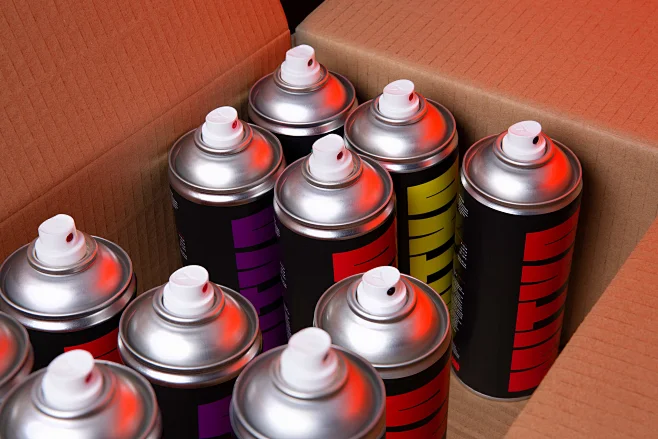
Safety should always be the top priority in any project. This includes ensuring the safety of the product during use, maintaining pressure safety, protecting the environment, ensuring toxicological safety, and adhering to the appropriate ratio of content weight to the can’s water capacity. R&D engineers have the responsibility of not only creating profitable products but also ensuring that these products are safe and beneficial to society as a whole.
User Comfort
Ultimately, products are designed for end consumers. Factors such as comfort during use, ergonomic design, spray effectiveness, and fragrance intensity play a crucial role in determining the product’s long-term success and acceptance in the market.
Cost-Efficiency
Over-packaging is not only wasteful but also harmful to the environment. Therefore, selecting packaging of the right size and specifications is a sustainable and cost-effective choice.
Visual Appeal
In industries like cosmetics, packaging aesthetics can significantly influence consumer purchasing decisions. First impressions often determine whether a product will be successful or not. Hence, it is essential to incorporate attractive design elements that resonate with the target consumers during the R&D process.
Limitations of Aerosol Cans
Chloride Ions
Chloride ions (Cl-) are highly detrimental to aerosol cans due to their small size, strong penetrability, and ability to strongly adsorb onto metal surfaces. This adsorption can lead to pitting corrosion and eventually result in perforation of the can.
Strong Acidity
Highly acidic contents can accelerate the corrosion process and should be avoided unless the can has undergone special treatment to resist such effects.
Fill Ratio
Depending on the type of propellant used, the weight of the contents should generally not exceed 85% of the can’s water capacity to ensure optimal performance and safety.
About SAILON Can Making
With two decades of rich experience in the industry, SAILON specializes in the R&D, production, and sales of aerosol filling machines. The company boasts a highly skilled R&D team and provides comprehensive after-sales support. SAILON emphasizes turnkey plant setup services, catering to the diverse needs of over 1,500 clients across various industries, including air compressors, foam sealants, spray paints, release agents, cosmetic sprays, and nasal rinses.
Contact SAILON Can Making for professional consultation and take your aerosol product manufacturing to the next level!