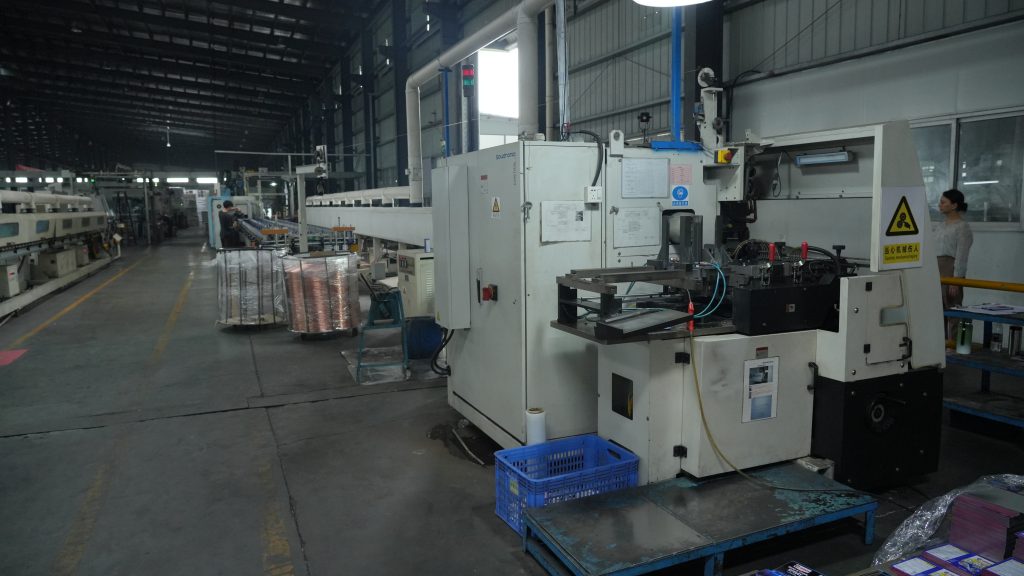

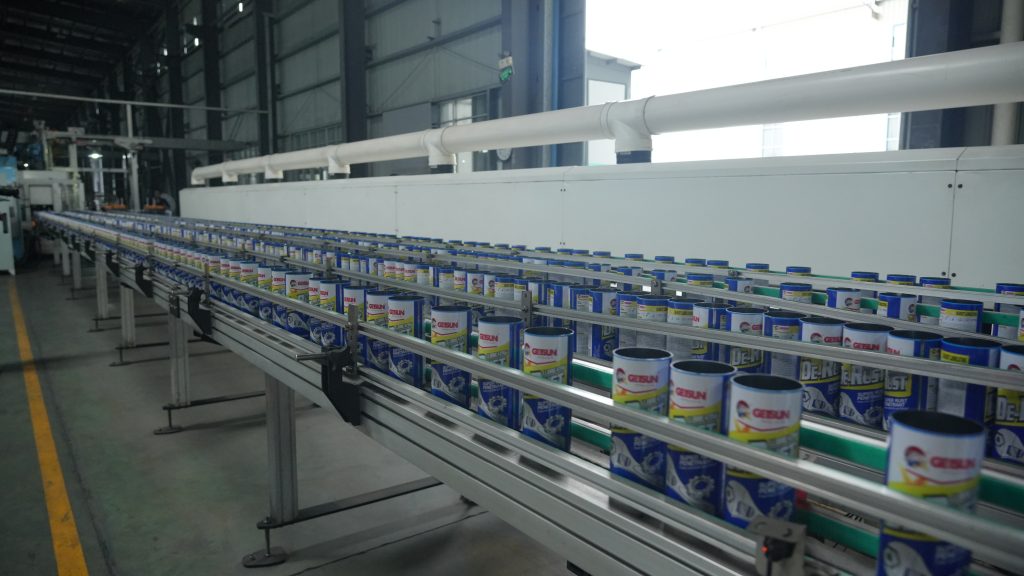
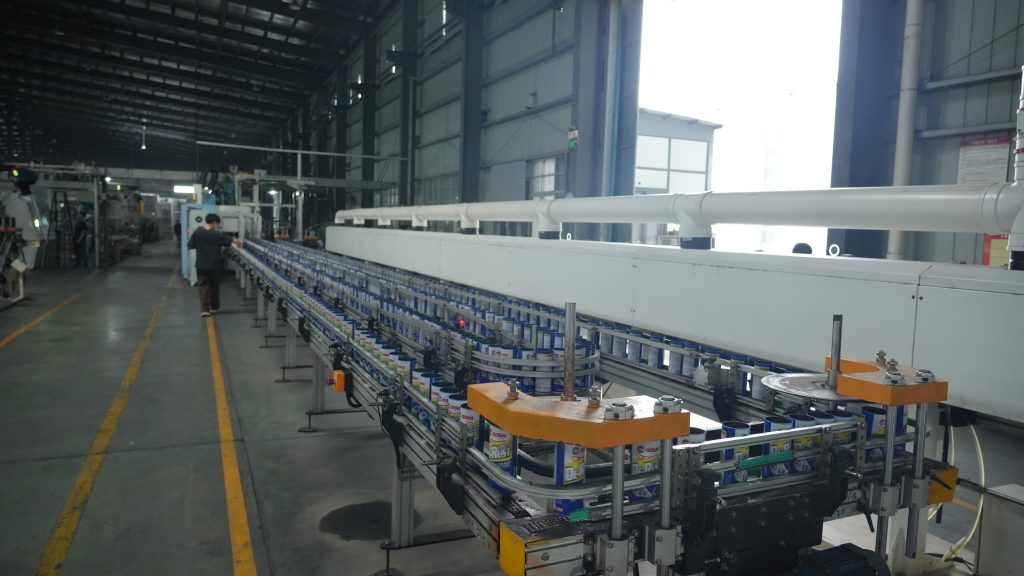
Aerosol cans, as common pressurized packaging containers, require strict attention to the issue of can deformation during the production process. Can deformation not only affects the product’s visual quality but may also lead to reduced sealing performance and lower pressure resistance, thereby impacting the product’s usability and safety. To prevent can deformation in the production line, it is essential to address multiple aspects, including raw material selection, production process control, equipment maintenance and optimization, as well as quality inspection.
Selection and Control of Raw Materials
Material Selection
Aerosol cans are typically made from metal materials such as tinplate or aluminum. When selecting raw materials, it is crucial to consider the mechanical properties of the materials, such as strength and toughness. For tinplate, uniformly thick and high-quality sheets should be chosen to ensure the can body possesses sufficient strength to resist deformation during forming and subsequent use. For aluminum, attention should be paid to its purity and workability. Suitable aluminum materials can better adapt to the forming process, reducing the risk of deformation.
Raw Material Inspection
Before raw materials enter the production line, strict inspections must be conducted. The surface quality of the sheets should be examined for defects such as scratches, dents, or corrosion, as these may become stress concentration points during the forming process, leading to can deformation. Additionally, the thickness and width of the sheets should be measured to ensure they meet production requirements. Substandard raw materials must not be used.
Production Process Control
Stamping and Forming Process
Mold Design: Molds are critical tools in the stamping process, and their design directly impacts the quality of the can formation. The shape, dimensions, and precision of the mold must be designed in strict accordance with product requirements to ensure even force distribution during the forming process. The surface finish of the mold is also important, as a smooth surface can reduce friction with the sheet, minimizing the risk of scratches and deformation on the can surface.
Stamping Parameter Settings: Parameters such as pressure, speed, and stroke during the stamping process must be carefully configured. Excessive pressure may cause localized over-deformation of the can, while insufficient pressure may prevent complete forming. Control of speed and stroke is also critical. Appropriate speed ensures uniform deformation of the sheet during the forming process, avoiding issues such as wrinkling or cracking. Operators must adjust stamping parameters promptly based on different raw materials and product specifications.
Welding Process
During production, aerosol cans often require welding, such as joining the can body to the base. Improper welding techniques may lead to deformation at the welded areas. Suitable welding methods and parameters should be selected to ensure welding quality while minimizing deformation.
Annealing Treatment
For certain materials, annealing treatment is required after forming. Annealing can relieve internal stresses generated during the forming process, enhancing the stability and deformation resistance of the can. Parameters such as annealing temperature, duration, and cooling rate must be strictly controlled to achieve the desired annealing effect.
Equipment Maintenance and Optimization
Regular Maintenance
Production equipment is the foundation for ensuring the quality of aerosol cans. Regular maintenance of stamping machines, welding machines, and other equipment is essential. Components such as the hydraulic and transmission systems of stamping machines should be inspected for normal operation, and worn parts should be replaced promptly to ensure equipment precision and stability. Regular calibration of equipment is also necessary to maintain dimensional accuracy in stamping and welding.
Equipment Upgrades and Modifications
With continuous technological advancements, production equipment can be upgraded and modified. For example, the adoption of highly automated equipment can reduce the impact of human factors on product quality. Automated equipment allows for more precise control of stamping and welding parameters, improving production efficiency and product quality while reducing the probability of can deformation.
Quality Inspection and Monitoring
Online Inspection
Online inspection devices should be installed on the production line to monitor the dimensions and shape of the cans in real time. If abnormalities such as deformation are detected, an alarm should be triggered immediately, and production should be halted to allow operators to make adjustments. Online inspection improves production efficiency and reduces the generation of defective products.
Sampling Inspection
In addition to online inspection, sampling inspections should be conducted. A certain proportion of cans should be selected from the production line for more detailed testing, such as pressure resistance and sealing performance. Sampling inspections provide a comprehensive understanding of product quality and help identify potential issues in a timely manner.
Conclusion
Preventing can deformation in aerosol can production lines requires a comprehensive approach involving raw material selection and control, production process control, equipment maintenance and optimization, and quality inspection and monitoring. Only through thorough and detailed management and control can can deformation be effectively prevented, product quality and production efficiency improved, and consumer safety ensured.