
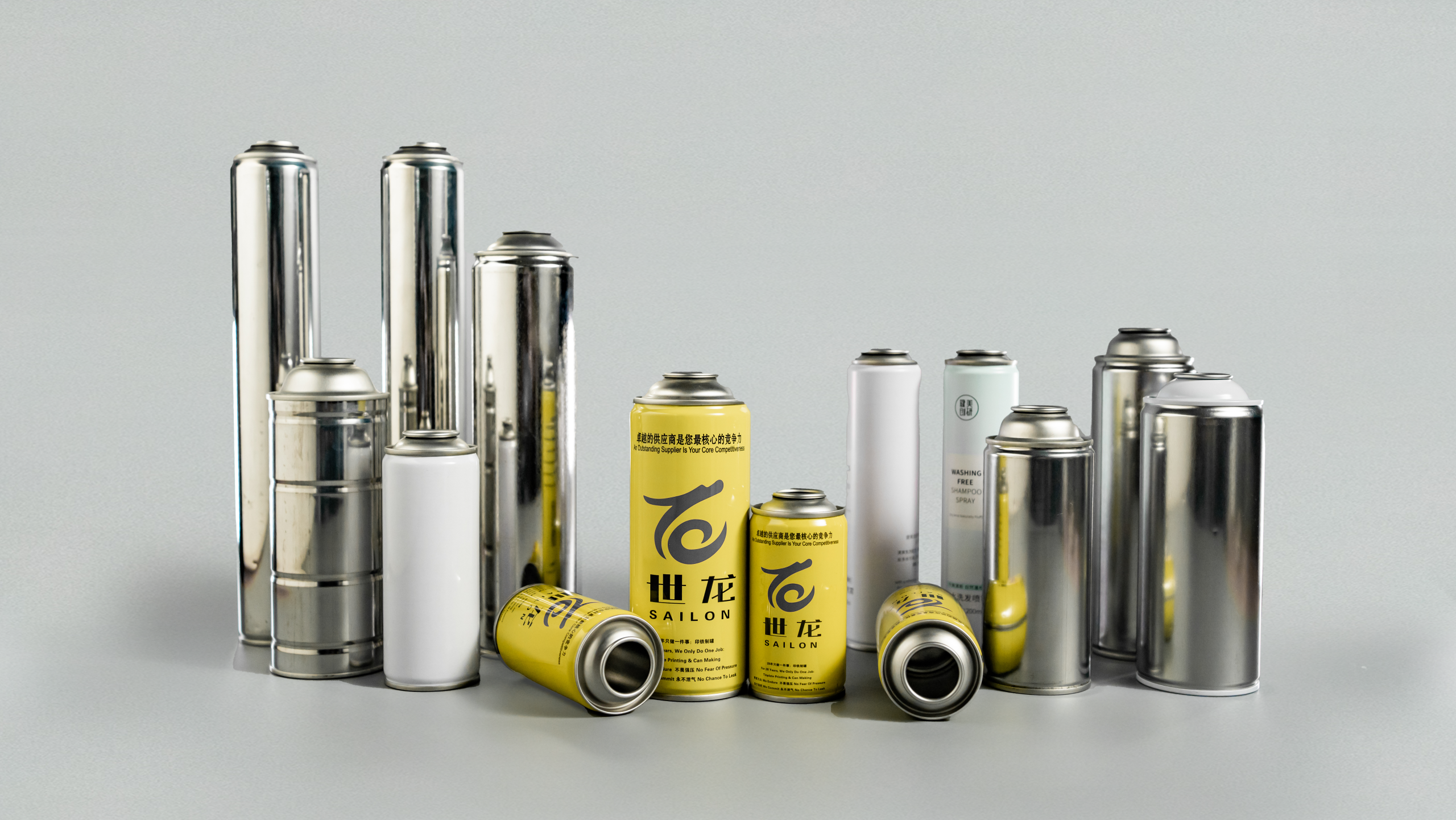
Driven by the global upgrading of the medical and health industry and the explosion of home healthcare demand, tinplate aerosol cans — featuring “high safety, strong sealability, and excellent biocompatibility” — are crossing over from industrial packaging to the core track of medical and health. According to the latest 2025 report from Grand View Research, the global medical aerosol packaging market is expected to reach $8.9 billion with a compound annual growth rate (CAGR) of 11.2%. Thanks to its aseptic adaptability and environmental advantages, tinplate’s market share has jumped from 35% in 2020 to 52% in 2025, becoming the preferred packaging for medical scenarios such as inhalants, wound care, and disinfection.
In-depth Scene Coverage: Full-Chain Penetration from Clinical Drug Delivery to Home Care
Through customized technology and medical-grade process upgrades, tinplate aerosol cans precisely meet the diverse needs of the medical and health field, breaking the limitations of traditional packaging:
1. Inhalant Packaging: A “Precision Carrier” for Respiratory Therapy
Patients with respiratory diseases have extremely high requirements for the stability and delivery accuracy of inhalants, and the technical characteristics of tinplate aerosol cans perfectly match these needs. An asthma relief inhaler in tinplate packaging launched by a pharmaceutical company uses medical-grade tinplate cans (99.9% pure tin-plated steel sheets) combined with a metered valve system, releasing 12.5μg of active ingredients per press with an error of ≤±5% — far exceeding industry standards. The inner layer of the can adopts a USP Class VI medical coating, which has passed biocompatibility tests (cytotoxicity, sensitization, and irritation all meet standards), avoiding impurity formation from drug-metal contact and extending the shelf life to 2 years. After its launch, this product replaced traditional aluminum can packaging. Due to a 28% cost reduction and convenient recycling, it has been included in the clinical procurement lists of over 300 hospitals.
2. Wound Care Sprays: An “Aseptic Barrier” for Healing
Wound care scenarios demand strict asepsis and anti-contamination capabilities from packaging. A silver ion antibacterial spray in tinplate packaging launched by a medical device brand adopts an “aseptic hot filling + full tinplate sealing” process. The can undergoes 134℃ high-pressure steam sterilization, with internal oxygen residue ≤0.3%, effectively inhibiting bacterial growth. The can is designed as a single-use structure with a backflow prevention valve to avoid secondary contamination during use, and its 45mm slim body fits emergency kits, home medicine cabinets, and other scenarios. Data shows that this product shortens the wound healing cycle by 30% and reduces the infection rate by 42%, becoming a popular item for home care and outdoor first aid.
3. Disinfection Aerosols: An “Efficient Tool” for Public Health
In the post-pandemic era, the demand for safety and durability of packaging for disinfection products has increased. A peracetic acid disinfection spray in customized tinplate packaging from a public health enterprise uses a 60mm diameter pressure-resistant can (withstand pressure 18Bar), which can tolerate the strong corrosiveness of disinfectants (no coating peeling after 720-hour immersion test). Equipped with a wide-angle nozzle, the can covers an area of 0.8㎡ per spray. Additionally, the light-blocking property of tinplate protects unstable components in disinfectants, extending the shelf life from 6 months (traditional plastic bottle packaging) to 18 months. This product has been widely used in public places such as hospitals, schools, and subways, with annual sales exceeding 5 million cans.
4. Pharmaceutical Excipient Packaging: A “Safety Guarantee” for Formulation Stability
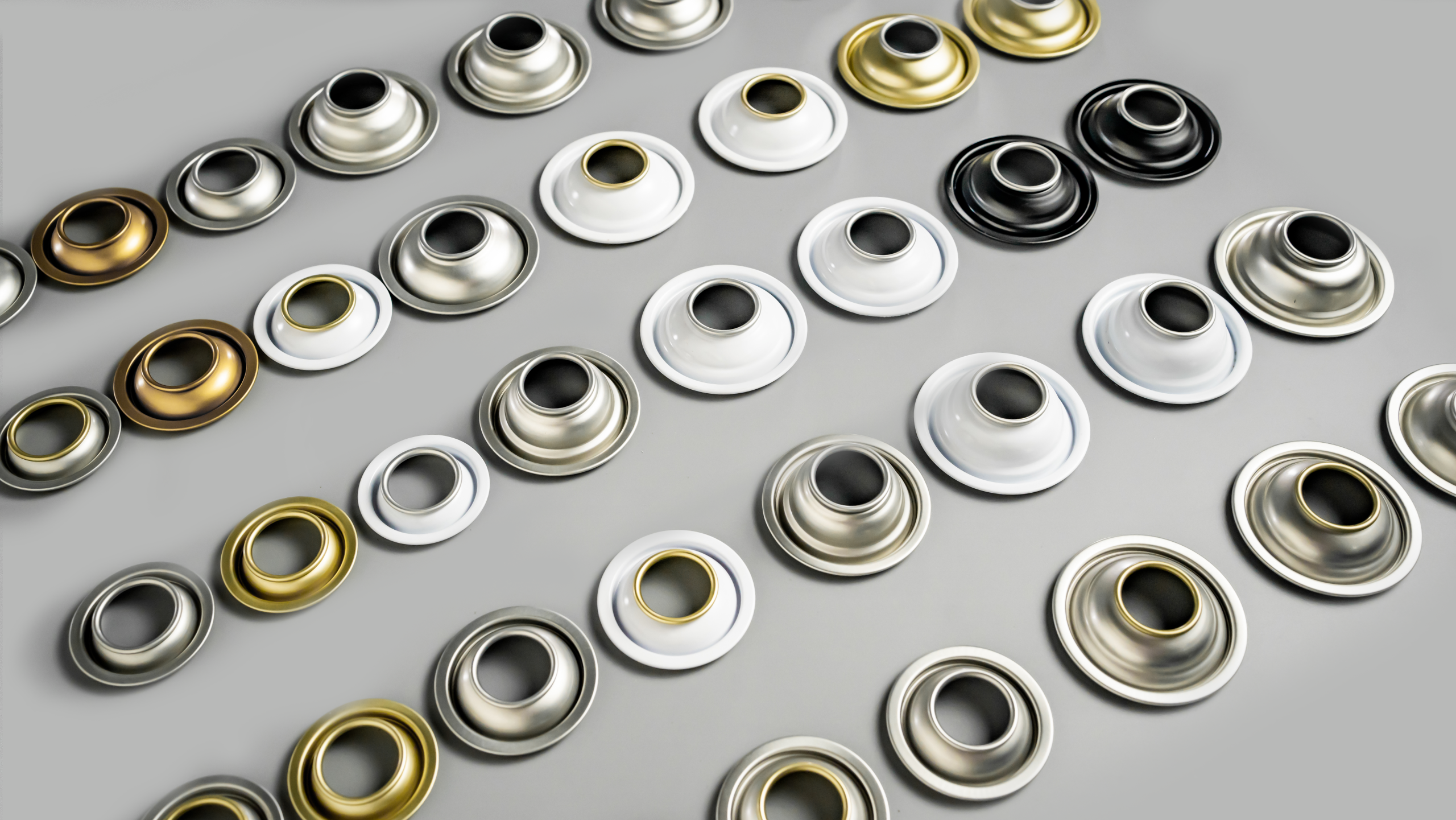
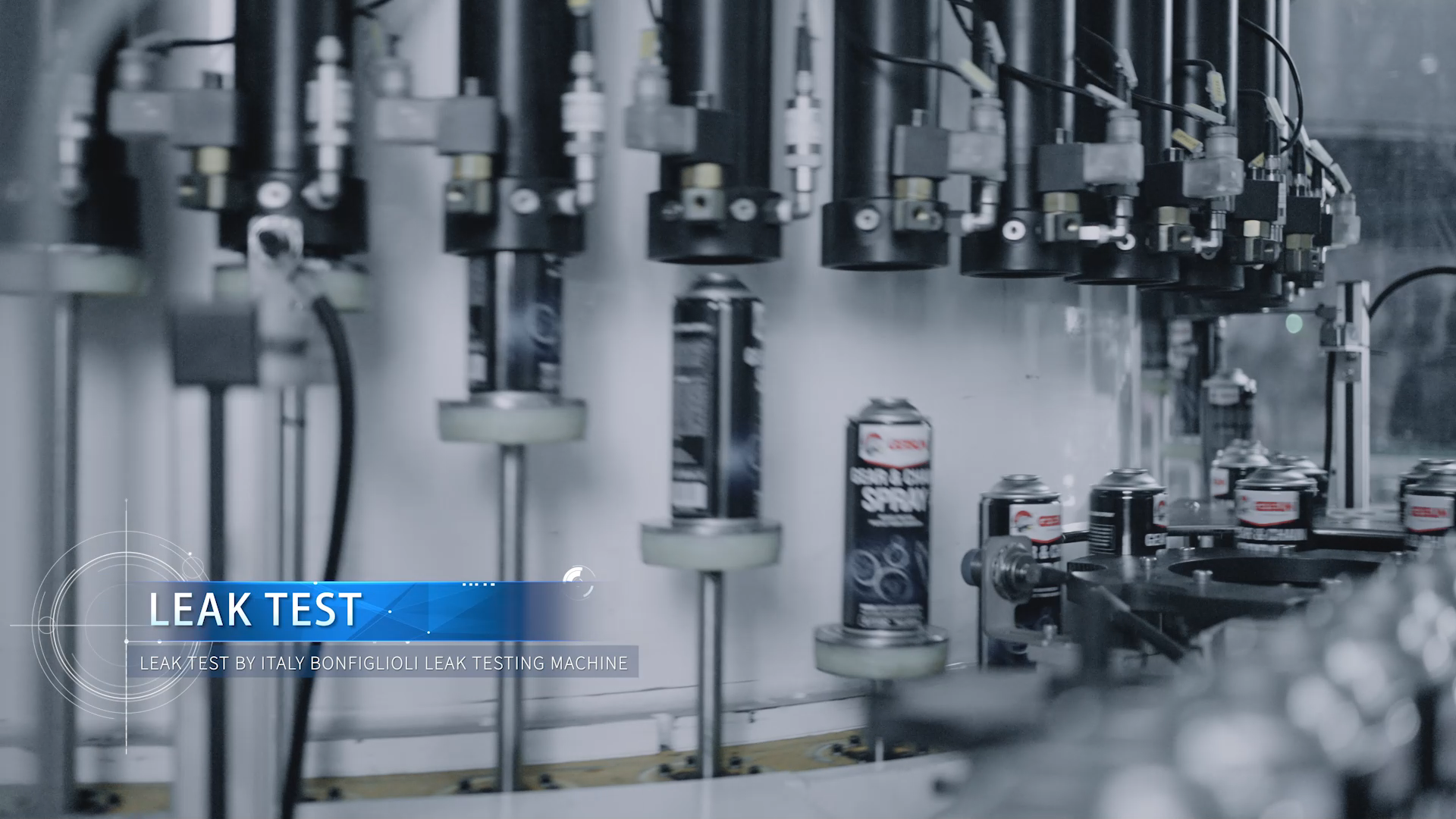
The storage of pharmaceutical excipients (such as propellants and diluents) requires high barrier properties from packaging, making tinplate aerosol cans the preferred choice for pharmaceutical companies. A medical-grade nitrogen propellant in tinplate packaging launched by an excipient supplier adopts a multi-layer sealing structure (triple protection of can body + gasket + valve), with a leakage rate of ≤1×10⁻⁷ Pa·m³/s, ensuring propellant purity ≥99.99% without moisture or impurity infiltration. The can has passed GMP certification and ISO 13485 medical quality management system certification, and can be directly used in sterile formulation production, providing supporting packaging services for more than 20 multinational pharmaceutical companies.
Technological Upgrades: Four Core Breakthroughs Under Medical-Grade Standards
The entry of tinplate aerosol cans into the medical field lies in meeting the stringent requirements of medical-grade packaging, achieving multiple technological innovations:
1. Biocompatibility Upgrade
All medical-grade tinplate aerosol cans have passed ISO 10993 biocompatibility tests. The inner layer adopts a medical-grade epoxy resin coating (free of bisphenol A and heavy metals), with no component migration after drug contact. They comply with international standards such as the Chinese Pharmacopoeia, United States Pharmacopeia (USP), and European Pharmacopoeia (EP), and can directly contact prescription drugs, over-the-counter (OTC) drugs, and medical devices.
2. Aseptic Process Implementation
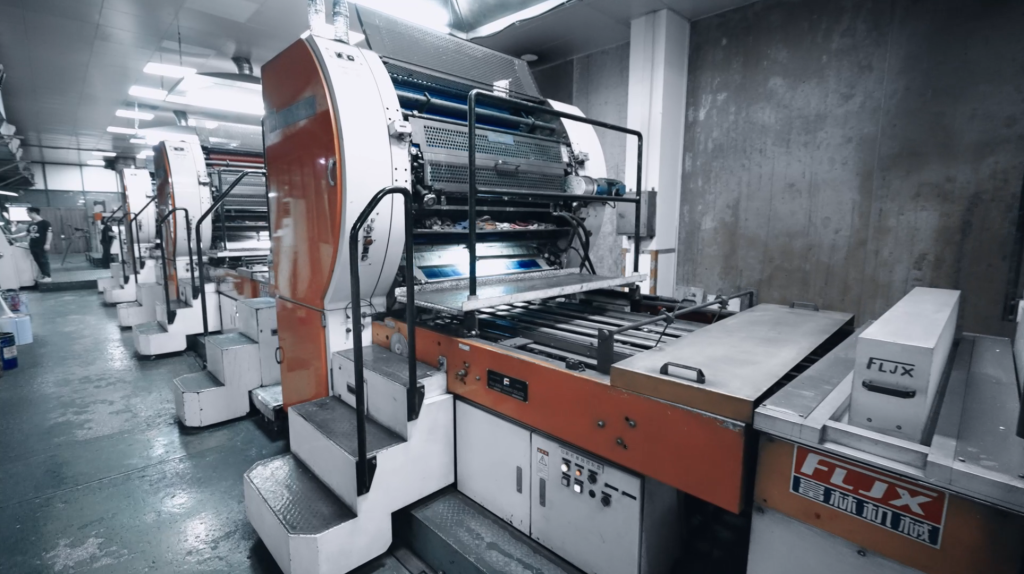
Leading enterprises have established medical-grade production workshops (ISO 7 cleanrooms), realizing the full-process asepsis of “can forming – cleaning – sterilization – filling – sealing.” Can cleaning adopts a triple process of “pure water rinsing + ultrasonic disinfection + hot air drying,” with microbial limit ≤10 CFU/can, meeting the requirements of sterile formulation packaging and enabling direct use without additional sterilization.
3. Customized Adaptability
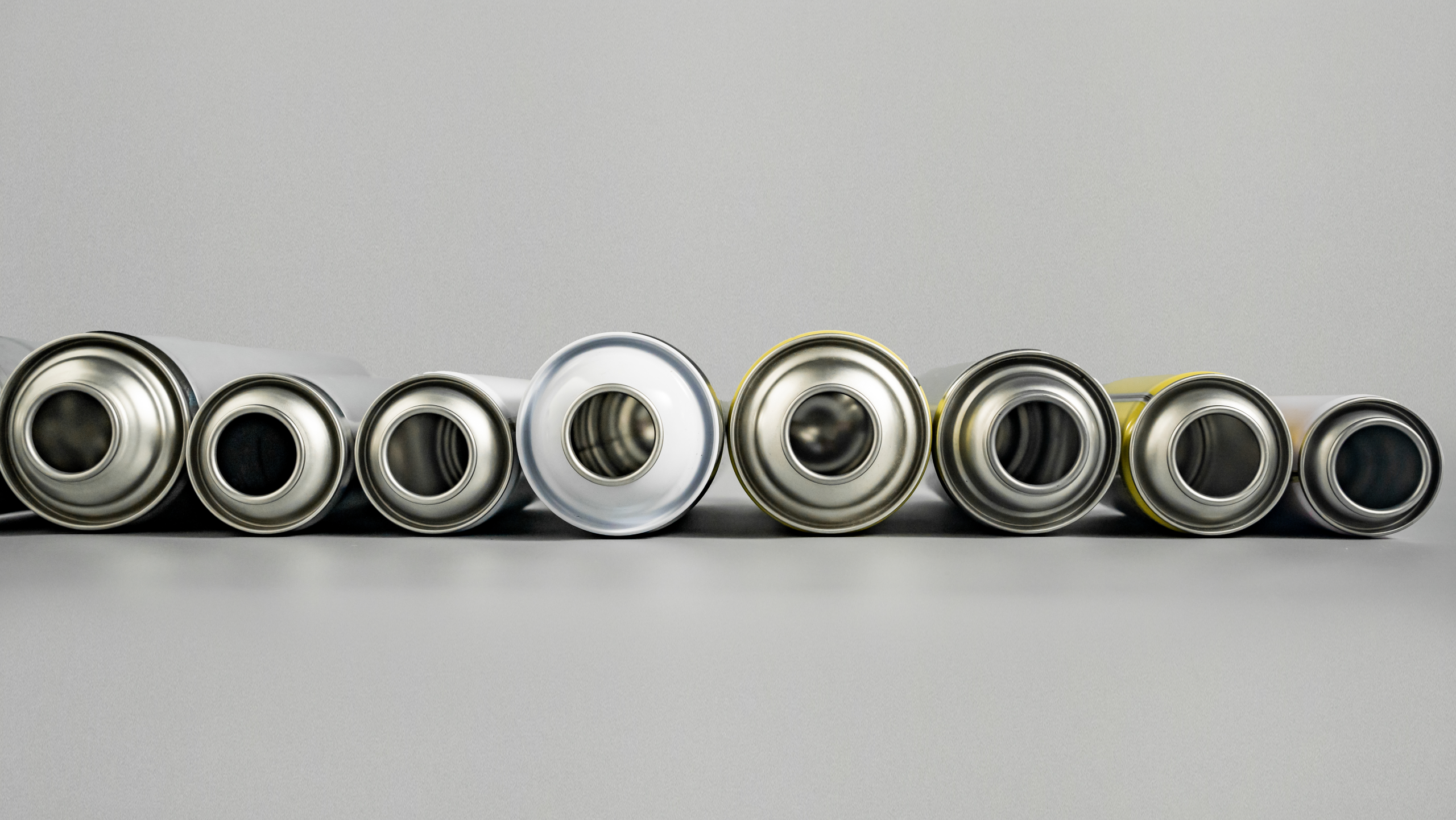
It supports personalized needs in medical scenarios: customizable small-capacity cans (20-100ml, suitable for portable inhalants) and large-capacity cans (65-70mm, suitable for public disinfection products); valve systems can be equipped with metered valves, atomizing valves, child-resistant valves, etc.; can body printing uses medical-grade environmentally friendly ink, supporting anti-counterfeiting traceability QR code printing to meet the traceability requirements of medical products.

4. Dual Compliance with Environmental Protection and Regulations
Medical-grade tinplate aerosol cans adopt chromium-free passivation technology and water-based coatings, reducing VOC emissions by 98%, and complying with the EU REACH regulation and China’s GB/T 38053-2024 environmental standard. Tinplate has a recycling rate of 98% and can be recycled and reused, solving the problem of medical waste disposal. A pharmaceutical company that adopted this packaging was certified as a “Green Medical Packaging Demonstration Enterprise.”
Enterprise Empowerment: 32 Years of Technological Expertise, Creating Medical-Grade Packaging Solutions
“The core of medical packaging is ‘safety compliance + stable performance.’ Our 32 years of R&D experience in tinplate aerosol cans has built core competitiveness around these two points,” said the person in charge of the Medical Packaging Division at SAILON . As an enterprise deeply engaged in tinplate packaging, it has formed an exclusive service system for medical-grade tinplate aerosol cans:
- Full-Process Compliance Guarantee: Establish 20 quality inspection processes from raw material procurement (using Baosteel’s medical-grade tinplate) to finished product delivery, passing 18 domestic and international medical-related certifications such as GMP, ISO 13485, CE, and FDA. Each batch of products provides inspection reports and traceability documents;
- Customized Technical Support: Equipped with a dedicated R&D team for medical packaging, which can optimize can coating and valve design according to drug characteristics (such as acidity, oiliness, and thermosensitivity), supporting 5-day rapid prototyping and 15-day mass production, adapting to 8 medical scenarios including inhalants, wound care, and disinfection;
- Aseptic Production Capacity: Possesses 3 medical-grade aseptic production lines with an annual capacity of 200 million cans, capable of producing full-specification cans from 3ml mini cans to 1000ml large-capacity cans, meeting the dual needs of clinical supply and home consumption.
It is reported that the company’s recently mass-produced tinplate packaging for inhalants, developed in cooperation with a leading respiratory pharmaceutical enterprise, is now in production. Meanwhile, the portable wound spray can developed for home care scenarios is expected to be launched in the first quarter of 2026.
Future Trends: Intelligence and Lightweight Lead the Innovation of Medical Packaging
Industry experts predict that medical-grade tinplate aerosol cans will upgrade in two directions: first, intelligent integration, integrating NFC chips and pressure sensors to realize functions such as medication dosage monitoring, expiration date reminders, and anti-counterfeiting traceability, supporting chronic disease management and precision medicine; second, lightweight optimization, through ultra-thin tinplate substrates (thickness reduced to 0.16mm) and high-strength processes, reducing the weight of a single can by 30% while maintaining a pressure resistance of 15Bar, improving portability and transportation efficiency.
In the wave of high-quality development of the medical and health industry, tinplate aerosol cans, with their medical-grade process breakthroughs and full-scene adaptability, are becoming an important link connecting clinical medical care and home care. For pharmaceutical enterprises and medical device brands, choosing medical-grade tinplate aerosol cans is not only a packaging upgrade but also a core support for brand safety compliance and sustainable development.