

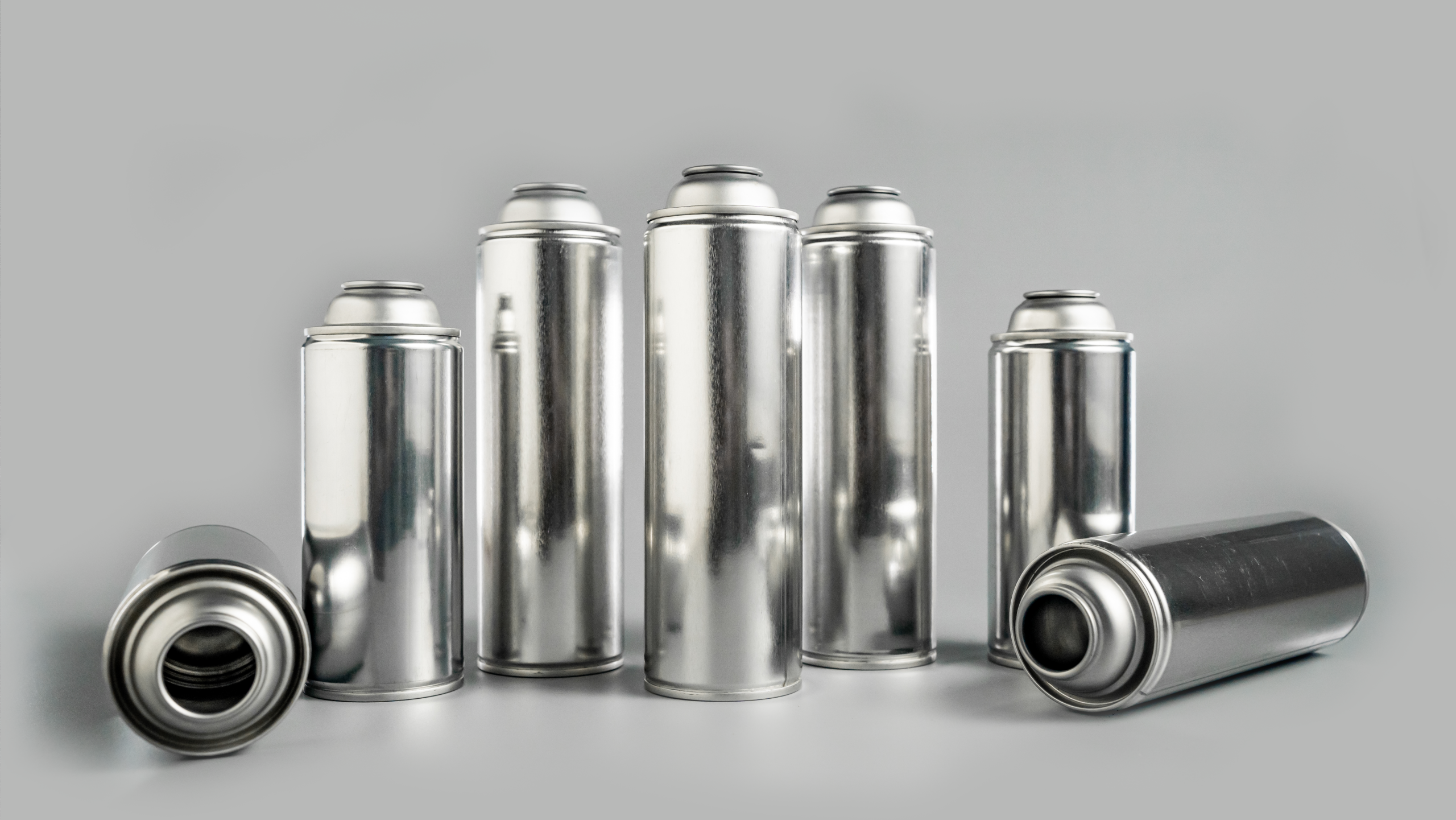
The global demand for aerosol tin can continues to soar, with the market expected to hit $48.6 billion by 2025, a year-on-year growth of 6.2% . What makes this packaging solution stand out? Unlike fragile plastic containers or costly aluminum alternatives, recyclable aerosol tin can combines durability, safety, and sustainability—attributes that resonate with both brands and eco-conscious consumers. From personal care to industrial applications, food-grade aerosol tin can and custom aerosol tin can are redefining packaging standards with 2025’s latest technological advancements.
Core Advantages of Aerosol Tin Cans in 2025
- Unmatched Safety & DurabilityCrafted from food-grade tinplate (0.23-0.30mm thickness), aerosol tin can withstands extreme temperatures (-40°C to 60°C) and internal pressures up to 1.8MPa, exceeding ISO 15750 and DOT 3H standards. This makes them ideal for corrosive products like industrial cleaners and flammable items such as lubricants, as the tinplate’s anti-rust coating prevents leakage and contamination.
- Sustainability That Leads the IndustryEco-friendly aerosol tin can boasts a 93% recycling rate—far higher than plastic (9%) and aluminum (76%) . In 2025, 65% of manufacturers use water-based coatings and low-VOC inks, reducing carbon emissions by 38% compared to 2020. Additionally, recycled tinplate retains 95% of its original strength, making recycled aerosol tin can a cost-effective and green choice for brands aiming to meet ESG goals.
- Versatility Across IndustriesThe adaptability of aerosol tin can is unmatched. Below is a breakdown of 2025’s most in-demand applications and specifications:
| Application Field | Capacity Range | Tinplate Thickness | Key Certifications | Target Products |
|---|---|---|---|---|
| Personal Care | 50-300ml | 0.23-0.25mm | ISO 22000, FDA | Hairspray, sunscreen, body mist |
| Food & Beverage | 100-500ml | 0.25-0.27mm | GB 4806.1-2016 | Cooking oil spray, whipped cream |
| Industrial Use | 500-1500ml | 0.27-0.30mm | DOT 3H, UN 1950 | Lubricants, rust removers |
| Pharmaceutical | 30-100ml | 0.23mm (food-grade) | GMP, ISO 13485 | Medical sprays, disinfectants |
Key FAQs About Aerosol Tin Cans (2025 Updated)
- Q: How long can products be stored in an aerosol tin can?
A: When sealed properly, aerosol tin can preserves contents for 2-5 years. For food and pharmaceutical products, the shelf life extends up to 3 years thanks to the airtight seal and corrosion-resistant lining. - Q: Is customizing aerosol tin cans cost-effective for small brands?
A: Yes! 2025’s streamlined production lines have reduced the minimum order quantity (MOQ) for custom aerosol tin can to 40,000 units—down from 50,000 in 2020. Brands can customize sizes, prints, and valve types without significant cost hikes. - Q: Are aerosol tin cans safe for acidic or alkaline products?
A: Absolutely. Modern aerosol tin can uses epoxy-phenolic linings that resist pH levels 2-12, making them suitable for acidic cleaners, alkaline degreasers, and even fruit-based sprays. - Q: How does the recycling process of aerosol tin cans work?
A: After emptying, cans are sorted, crushed, and melted down. The tin-plated steel is separated from other metals, then reused to make new cans or construction materials. The entire process emits 60% less CO₂ than producing new tinplate.
2025 Trends Shaping Aerosol Tin Can Innovation
- Lightweight Design: Advanced rolling technology has reduced tinplate thickness by 10% without compromising strength, cutting transportation costs by 15%.
- Smart Packaging: 28% of high-end aerosol tin can now feature QR codes that link to product traceability and recycling guides, enhancing consumer trust.
- Eco-Labels: Brands are increasingly adopting “100% Recyclable” and “Carbon-Neutral” labels on sustainable aerosol tin can, as 73% of consumers prioritize eco-friendly packaging when shopping .
From small businesses to global corporations, aerosol tin can remains a reliable, future-proof packaging solution. Its ability to balance performance, sustainability, and customization makes it a top choice for 2025’s dynamic market—proving that sometimes, time-tested materials are the most innovative.