

Short answer: An empty tinplate aerosol can is not a dangerous good. It ships as ordinary steel packaging under HTS heading 7310. The moment it is filled and pressurized it becomes UN 1950 and falls under 49 CFR 173.306. That single line decides your freight class, your entry paperwork, and which test reports you are entitled to demand from the factory. Everything below is written for the buyer importing empty cans for a US filling line — not for the brand shipping finished aerosols.
About this file: SAILON has manufactured tinplate aerosol cans in Foshan, China since 2007 (400 million cans a year, 31 export markets, 45–70 mm bodies in straight-wall and necked-in profiles). We wrote this because the same three documents go missing from almost every first import order we see. We are a can plant, not a customs broker: classification, duty rates and Chapter 99 measures must be confirmed by your licensed broker against the current HTS on the day you book. Last reviewed November 2026.
1. The Line That Decides Everything: Empty Cans vs. Filled Aerosols
Most import problems start here, with a well-meaning broker or a forwarder who sees the word “aerosol” and reaches for a dangerous-goods declaration. An empty can contains no propellant, no pressure and no hazardous contents. It is a steel container. A filled dispenser is a different article entirely.
| – | Empty tinplate can | Filled aerosol dispenser |
|---|---|---|
| What it is | Steel packaging, general cargo | Pressurized product, UN 1950 |
| US transport rule | Ordinary freight rules | 49 CFR 173.306, plus 49 CFR 172 shipping papers and labels |
| Typical HTS heading | 7310 (empty steel containers) | Determined by the contents, not the can |
| Who owns the paperwork | Importer of record + can plant (mill certs, test reports) | Filler / brand owner (hot water bath, classification, DG declaration) |
| Where the can plant still matters | Everywhere: the can has to pass the pre-fill pressure and leak requirements the filler will later rely on | The plant’s test data becomes part of the filler’s compliance file |
Here is the nuance buyers miss. The exemption for empty cans does not mean the can is unregulated. Under the 49 CFR 173.306 framework, each empty metal container must be pressure tested before filling at a pressure equal to or above the maximum expected in the filled container at 55 °C (131 °F), or 50 °C (122 °F) where the liquid phase stays under 95% of capacity — and that test pressure must be at least two-thirds of the container’s design pressure. Containers showing leakage at or above 3.3 × 10⁻² mbar·L/s, distortion or other defects are rejected. Your filler cannot lawfully skip that, and the practical way to satisfy it is to buy cans from a plant that already runs the test and issues the report. Ask for the report by name, not for “a certificate”.
Our deformation and burst pressure margins explain what those numbers mean on a real can body, and the GB/T 13042 / EN 15007 / UN comparison maps the standards your filler may cite. Verify the current regulatory text with your compliance team before quoting it in a specification.

2. HS/HTS Classification: Where an Empty Aerosol Can Lands
Heading 7310 covers tanks, casks, drums, cans and similar containers of iron or steel, of a capacity not exceeding 300 litres, not fitted with mechanical or thermal equipment. Within it, the subheading for cans closed by soldering or crimping is 7310.21, and the US tariff line written specifically for aerosol-type containers is 7310.21.00.70 — circular cross-section containers, capacity not exceeding 11.4 litres, of a kind used for aerosols. Other 7310.21 and 7310.29 lines exist for cans that do not fit that description, which is why a one-line HS code copied from an old invoice is a bad idea.
Give your broker the following before they classify. It is also the exact list we ask customers to send with a first enquiry:
- The can drawing: body diameter, body height, brimful capacity, neck profile and curl diameter. A 65 × 158 body and a 65 × 240 body are not one article on a spec sheet; see the size and fill volume chart.
- Body wall thickness and tin coating weight. Classification in some tariff schedules splits at 0.5 mm, and a gauge quietly reduced from 0.20 mm to 0.18 mm changes both the tariff conversation and the burst margin.
- Closure method: soldered or crimped, welded side seam, cone and dome ends. This is what separates 7310.21 from the “other” lines, and it is also where two-piece vs three-piece construction changes your filling line setup.
- Confirmation in writing that the goods arrive empty, unpressurized and unfilled, plus the internal lacquer system and the end use. A can intended for food contact carries a different documentation burden than one intended for a brake cleaner.
Classification is the importer of record’s legal responsibility, not the factory’s. A supplier who states a code as a favour is helpful; a supplier who guarantees your duty rate is guessing. Check the current schedule at the USITC HTS and put the agreed code on the commercial invoice and the purchase order.
3. The Duty Stack: What Actually Sits Between FOB and Landed
We are deliberately not printing a tariff percentage in this article. Through 2025 and 2026, Chapter 99 measures on Chinese-origin steel articles have been amended repeatedly, and a rate that was correct when you requested a quote can be wrong by the time the container sails. What does not change is the structure of the calculation:
| Line item | What to confirm |
|---|---|
| FOB unit price | Incoterm, currency, print plates and tooling included or billed separately. The five hidden cost elements live here. |
| Ocean freight + insurance | Empty cans fill a container by volume long before they reach a weight limit. You are shipping air. |
| Base MFN duty | Per the agreed HTS line, often low or free for steel containers. |
| Chapter 99 trade measures | Section 301 China lists, Section 232 steel and derivative-article measures, and any measures introduced in the current year. These stack. Your broker reads the Federal Register and CBP CSMS messages, not a blog. |
| MPF, HMF, broker, bond | Ad valorem fees with minimum and maximum caps, plus entry filing and customs bond costs. |
| Drayage, warehousing, handling | Empty cans occupy space. Warehousing is a real line item on a 200,000-can order. |
| Rejects and rework | Divide everything above by good cans received, not cans shipped. |
That last row is the one procurement teams skip. Divide the total by good cans received and a 2% defect rate quietly raises your real unit cost by more than 2%, because you also paid freight and duty on the rejects. Our breakdown of how defect rates hurt line ROI works through the arithmetic.
Two consequences follow. First, freight on empty cans is a volume problem, so diameter and body height are cost decisions, not just packaging decisions — the fill volume chart and the straight-wall vs necked-in comparison both change the container count. Second, fixed entry costs dominate small orders: the same broker fee spread over 20,000 cans is a different business than over 200,000, which is why our MOQ guidance starts with stock cans for a first run.
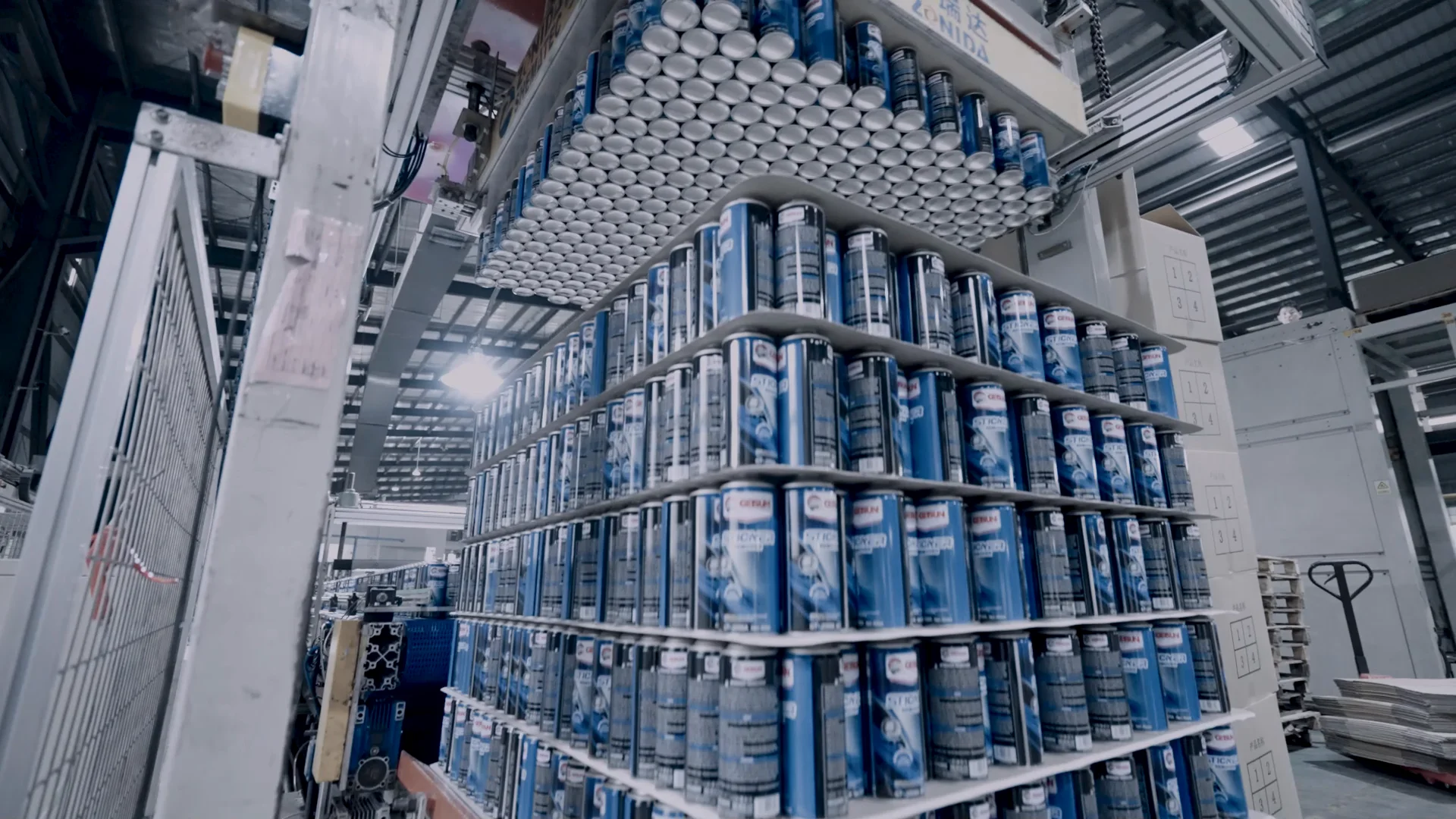
4. The 12-Document Import File (Copy This Into Your PO)
A specification sheet is not a documentation package. Before you release the first production batch, put the following twelve items into the purchase order as deliverables, with a named owner and a due date. Items 4 to 11 come from the can plant; the rest are shared or sit with the importer.
| # | Document | Why the broker, filler or auditor asks for it |
|---|---|---|
| 1 | Commercial invoice with Incoterm, country of origin and agreed HTS code | Customs value and classification. Mismatches here are the most common reason for an entry query. |
| 2 | Packing list with carton count, pallet map and net/gross weight | Reconciles the physical load to the invoice; also your first defence against a short shipment claim. |
| 3 | Bill of lading or telex release, plus CBP entry documents (for example Form 3461) and any TSCA certification | Importer of record side. Do not ask the can plant to file these. |
| 4 | Tinplate mill certificate: steel grade, body gauge, tin coating weight in g/m² | The only proof that the gauge you paid for is the gauge in the can. Compare it with the five core B2B parameters. |
| 5 | Approved can drawing: diameter, height, brimful capacity, neck profile, curl diameter, seam dimensions | The filler checks the curl against its filling head before the container is booked; a mismatch jams the line (why curl diameter matters). |
| 6 | Internal lacquer / lining datasheet, with the basis for any food-contact claim (for example 21 CFR 175.300 and related parts, as applicable) | Compatibility with your solvent and propellant. Note the wording: an FDA-compliant lining, not an “FDA-approved can” — the can is packaging. See internal lacquering for cosmetic and food-grade cans and the corrosion pitfalls in solvent-based aerosols. |
| 7 | Pre-fill pressure and leak test report for the empty can, stating test pressure basis, design pressure, leak-rate threshold and sample size | Feeds straight into the filler’s 49 CFR 173.306 obligations. Ask for numbers, not a pass/fail stamp. |
| 8 | Weld and double-seam inspection record from a cut sample | Most leak complaints start at a seam, not the body wall. Our line-fit guide and coating flaking analysis show what a bad seam does downstream. |
| 9 | Production print proof pulled on coated tinplate, with colour standard and plate/version ID | Paper proofs pass colours that fail on metal at line speed. See offset printing for premium tinplate. |
| 10 | Plant quality certificate (for example ISO 9001) and the test lab’s calibration / accreditation record | Your customer’s supplier questionnaire will ask. A scanned logo is not evidence; verify the certificate with the issuer. |
| 11 | Pre-production sample approval, batch / lot traceability ID, and the valve cup and actuator match record | The cup follows the neck, not the body. Mix profiles and you double your valve SKU — see which profile fits your valve cup. |
| 12 | ISPM 15 wood packaging marking, container stuffing photos, and the anti-rust packing record (VCI, desiccant, pallet wrap) | A 30-day ocean leg is a corrosion test. Our ocean freight anti-rust guide covers the failure modes, and the high-humidity can guide covers what happens at the destination. |
One practical tip: ask for the file as a single numbered PDF bundle, not twelve email attachments. It makes the handoff to your broker and your filler auditable, and it is exactly the package a customer’s second-source supplier will struggle to reproduce quickly.
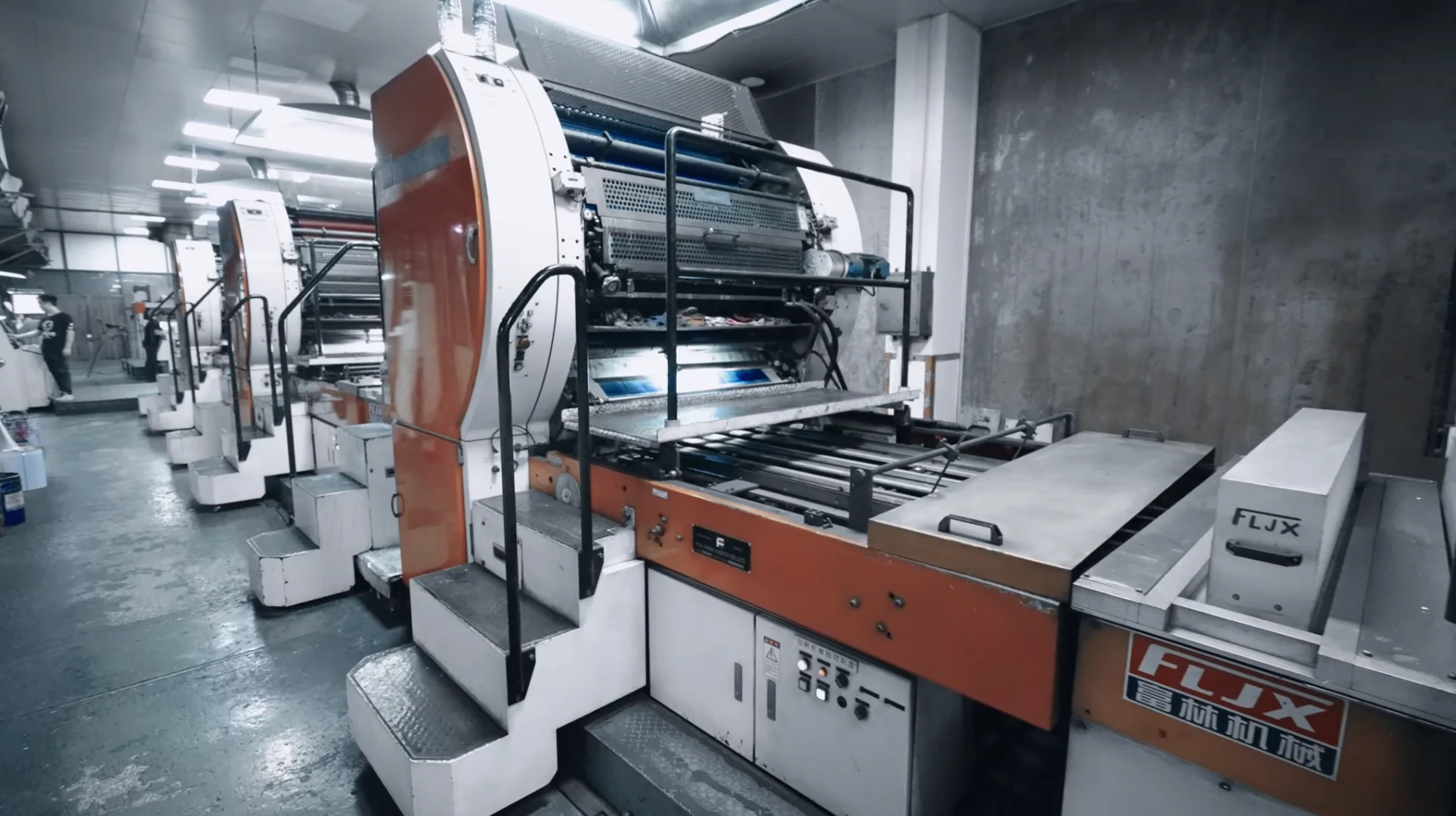
5. Incoming QC: 8 Tests Before You Release the Container
The documentation file tells you what should have been made. Incoming inspection tells you what arrived. Pull samples across pallets, not just from the top carton, and record the lot ID against every measurement.
| Check | How to do it | Deeper reference |
|---|---|---|
| Body gauge and tin coating weight | Micrometer on a cut body, compare with the mill certificate | 0.02 mm gauge reduction and burst risk |
| Curl diameter and neck ovality | Gauge against the approved drawing, trial-fit the valve cup | Filling line jamming |
| Double seam and weld integrity | Cut a can open, measure seam dimensions, inspect weld continuity | Pressure test failures |
| Deformation and burst pressure | Pressure ramp to the agreed design margin, log the failure point | High-temperature safety standards |
| Leak tightness | Water bath or inline high-pressure leak test, record the leak-rate threshold | High-pressure can selection |
| Internal lacquer continuity | Open a sample, inspect for bare spots, blisters and contamination; run a compatibility soak with the real formula | Corrosion and leakage pitfalls |
| Print, varnish and registration | Compare with the approved production proof under standard light; check scuff resistance | Custom printed tinplate |
| Arrival condition | Dents, rim distortion, rust bloom, carton crush, desiccant state | Ocean freight anti-rust guide |
Keep the rejected samples with their lot IDs. When a claim goes back to the plant, photographs without a lot number turn into a discussion about opinions; numbered samples turn into a credit note.

6. Five Mistakes That Cost More Than the Duty
- Declaring empty cans as dangerous goods — or shipping filled product as general cargo. The first wastes money and invites a holding charge; the second is a compliance failure. Put “empty, unpressurized, unfilled” on the invoice and the booking.
- Comparing FOB prices instead of landed cost per good can. Freight on empty cans is volumetric, and a 2% reject rate is paid for twice. See the hidden cost factors.
- Approving colour from a paper proof. Eight colours on coated tinplate at line speed behave differently. Our printing guide covers the failure modes.
- Ordering two neck profiles on one PO. The valve cup follows the neck, so you inherit two valve SKUs, two minimums and a higher assembly error rate. Read cup-to-neck matching first.
- Treating ocean freight as a commodity. A 30-day leg plus a humid destination is a corrosion test your packaging must pass. The anti-rust packing guide and the high-humidity guide are the two we send customers most often.
A US pet supply brand’s 100,000-can programme is a worked example of what happens when the specification handoff is fuzzy — we documented the production bottleneck and the fix as a case study.
7. Frequently Asked Questions
Are empty aerosol cans classed as dangerous goods when imported into the US?
No. An empty, unpressurized, unfilled steel can is general cargo, typically declared under HTS heading 7310. UN 1950 and 49 CFR 173.306 apply to the filled, pressurized dispenser. State the empty condition explicitly on the invoice and booking so the forwarder does not classify by keyword.
What HTS code applies to empty tinplate aerosol cans?
US buyers commonly start with 7310.21 for cans closed by soldering or crimping, and the aerosol-specific statistical line 7310.21.00.70 covers circular containers of a kind used for aerosols. Other 7310 lines may apply depending on wall thickness, capacity and construction. Your broker classifies the actual article against the current HTS; the factory supplies the drawing and material data.
How much duty will I pay on Chinese aerosol cans in 2026?
We will not give you a number in a blog post, and you should be wary of any supplier who does. Base MFN duty on steel containers is often low, but Chapter 99 measures — Section 301 China lists, Section 232 steel and derivative articles, and newer measures — can stack on top and have changed repeatedly through 2025 and 2026. Add MPF, HMF, broker and bond fees. Ask your licensed broker for a written landed-cost estimate against the HTS revision in force on your booking date.
Which documents should I demand from an aerosol can manufacturer before shipment?
At minimum: the tinplate mill certificate, the approved can drawing, the internal lacquer datasheet, the pre-fill pressure and leak test report, the seam and weld inspection record, a production print proof, the plant quality certificate, and the sample approval with lot traceability. Add the commercial invoice, packing list, bill of lading and anti-rust packing record to complete the twelve-item file above.
Does an FDA-compliant lining mean the can is FDA approved?
No. The can is packaging. The defensible claim is that the internal coating complies with the applicable food-contact regulations (for example 21 CFR 175.300 and related parts), supported by the coating supplier’s datasheet and, where relevant, migration or compatibility testing with your formulation. Ask for the basis of the claim, not the adjective.
Why is freight so expensive for empty aerosol cans?
Because you are shipping air. A 65 × 240 mm body occupies roughly 0.8 litres of space but weighs about 50 grams, so a 20-foot container reaches its volume limit long before its weight limit. Freight is billed on the space, not the steel. Compare landed cost per good can rather than freight per kilogram, and use the size and fill volume chart to model how a change in body height alters the container count.
How many cans should I order on a first import run?
Fixed entry costs — broker, bond, drayage, samples and print plates — dominate a small order. For a first run, many buyers start on stock cans at a lower quantity and move to custom printing once the product sells; our printed-programme floor is 200,000 cans. The low-MOQ guide sets out the trade-off.
Should I choose tinplate or aluminum for an imported program?
Tinplate costs less per can, takes a wider lining range and prints well, which suits solvent-based automotive and household formulas. Aluminum is one-piece, lighter and better for shaped premium profiles. The material choice also changes the internal lacquer system, so a formula approved on tinplate may need requalification. See the coating comparison and the 2026 cost-benefit analysis.
8. Working With SAILON
We build 45–70 mm tinplate aerosol cans in straight-wall and necked-in profiles, with cone, dome, ends and valve fitments on one order, and eight-colour printing in house. The documentation file above is how we already work: mill certificates, pressure and leak test data, seam records and production print proofs ship with the order because our customers’ brokers and fillers ask for them.
- Browse the 45–70 mm aerosol tin can range
- Cone, dome and end solutions
- Send your can drawing and intended formula to sales@sailon-can.com for a factory quote and a sample documentation pack
Last reviewed: November 2026 by the SAILON technical team. This article is general sourcing information, not customs, legal or regulatory advice. Confirm classification, duties and applicable regulations with a licensed customs broker and your own compliance counsel before placing an order.