

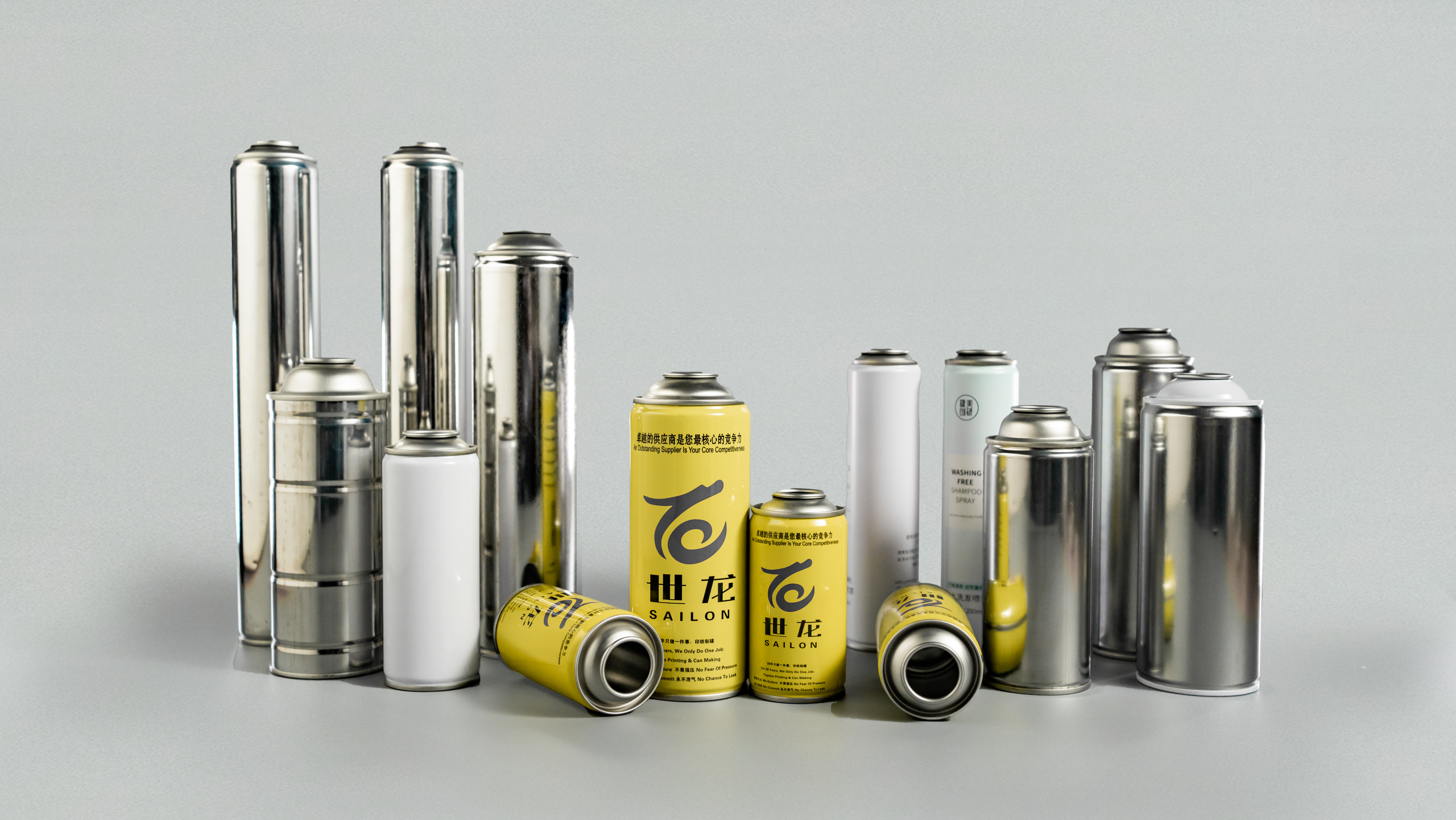
Raw material price fluctuations remain frequent in 2026, leaving many brands in a dilemma when choosing aerosol can materials—aluminum cans are lightweight but costly, while tinplate aerosol cans have become a popular choice for high-volume needs due to their cost-effectiveness. For brands needing to stably control costs and ensure supply, are durable tinplate aerosol cans more suitable for long-term development than aluminum cans? This article breaks down three core dimensions—cost, performance, and sustainability—to help you clarify the packaging solution that fits your needs.
Cost Breakdown: Tinplate’s Hidden Advantages Stand Out in High-Volume Production
Frankly speaking, in 2026’s raw material market, tinplate’s supply stability is far superior to aluminum. As a steel derivative, tinplate has small price fluctuations, while aluminum’s procurement costs remain high due to global resource regulation. For brands pursuing economies of scale, high-volume tinplate aerosol can customization offers more obvious cost advantages.
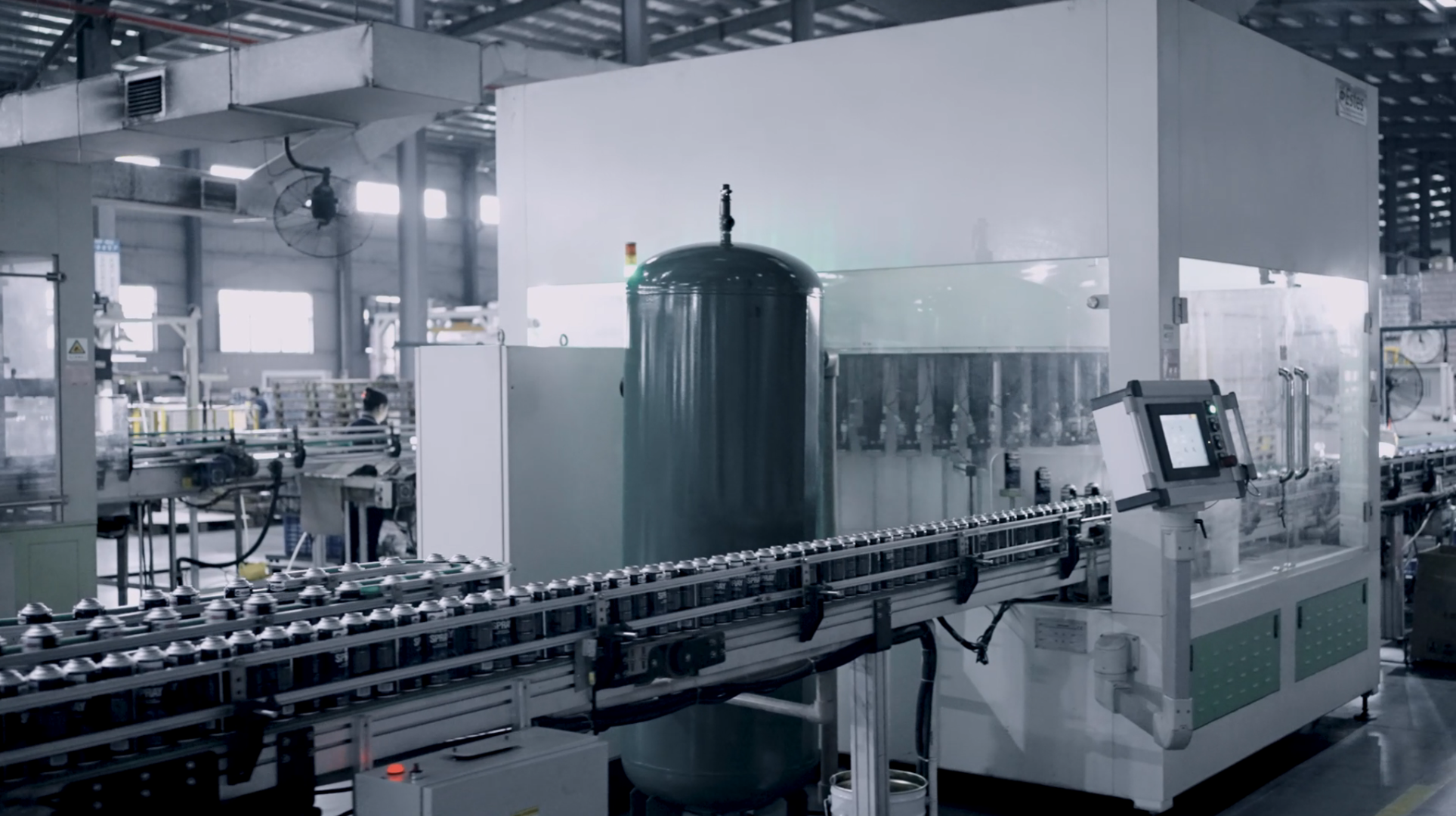
SAILON has been deeply engaged in the can-making industry for 19 years (founded in 2007). Today, with 10 advanced printing lines and 8 automated can-making systems, its annual capacity has reached 400 million cans. This mature production system enables industrial tinplate aerosol cans to “reduce unit cost as production volume increases,” making them especially suitable for brands needing long-term, large-batch procurement—after all, a stable cost structure is the foundation for more confident product pricing.
| Comparison Dimension | Tinplate Aerosol Cans | Aluminum Cans |
|---|---|---|
| Raw Material Price Stability (2026) | Small fluctuations, sufficient supply | Frequent fluctuations, greatly affected by resource policies |
| Adaptability to Mass Production | Suitable for high volume, unit cost decreases gradually | More suitable for small batches, weak cost advantage when volume expands |
| Long-term Procurement Risk | Low, stable supply cycle | High, vulnerable to import tariffs and resource shortages |
Performance Details: Tinplate’s Practical Advantages Lie in Daily Scenarios
Many people overlook that tinplate aerosol cans’ strengths are precisely reflected in practical usage scenarios:
- Strong deformation resistance: Tinplate is harder than aluminum, so it’s not easy to dent during long-distance transportation or stacked storage, better protecting the products inside—especially suitable for food-grade tinplate aerosol cans or industrial chemical packaging;
- Reliable pressure resistance: The custom tinplate aerosol cans produced by SAILON achieve a pressure resistance of ≥1.3MPa through high-quality welding technology, fully meeting the needs of common scenarios such as household cleaning and automotive care;
- High printing adaptability: Tinplate has a smooth surface and supports high-precision 4-color printing. Even small tinplate aerosol cans can clearly present brand logos and design details, enhancing product recognition.
Sustainability Truth: Tinplate’s Recycling Value Is Severely Underrated
Many people mistakenly believe “only aluminum cans are sustainable,” but the reality is that tinplate aerosol cans’ recycling efficiency is no less impressive. Tinplate is naturally magnetic, allowing rapid separation via magnetic separation equipment during recycling. In 2026, recycling technology has further improved its regeneration rate. Moreover, SAILON uses high-grade tinplate raw materials from Shougang Steel, rejecting recycled waste—ensuring the safety of food-grade tinplate aerosol cans while making the recycling process more efficient.
What’s more interesting is that the energy consumption of tinplate’s recycling process is lower than that of aluminum. For brands focusing on carbon footprint, choosing environmentally friendly tinplate aerosol cans is also an important step in practicing green production—after all, sustainability is never just about “lightweight” in a single dimension, but about the entire lifecycle.
Frequently Asked Questions: Practical Issues You May Care About
Q: Can the printing effect of small tinplate aerosol cans reach the sophistication of aluminum cans?
A: Absolutely. Tinplate has a uniform surface texture. Equipped with Japanese Fujifilm 4-color printing equipment, it can accurately restore design details, even having advantages in color saturation and wear resistance—especially suitable for products that need long-term display.
Q: Does the storage environment have a significant impact on tinplate aerosol cans?
A: As long as they are not in a humid environment for a long time, tinplate’s rust resistance is fully reliable. The aerosol cans produced by SAILON undergo special processing and do not require additional protection during daily storage, being more resistant to rough storage than aluminum cans.
Q: Is the recycling channel for tinplate aerosol cans convenient in 2026?
A: Very convenient. Most urban waste recycling systems can efficiently separate tinplate today. Brands do not need to invest additional recycling costs, and consumers can easily participate in recycling—both environmentally friendly and hassle-free.
Performance Supplement: Tinplate Is More Advantageous in These Scenarios
Beyond cost and sustainability, tinplate aerosol cans are more adaptable in specific scenarios:
- Products requiring long-term storage: Tinplate’s sealing and structural stability can better extend product shelf life;
- Brands focusing on packaging texture: Tinplate’s metal texture is more substantial, suitable for mid-to-high-end household care and personal care products;
- Needs pursuing customization flexibility: SAILON offers a full range of diameters from 45mm to 70mm, from small tinplate aerosol cans to industrial-grade specifications, all supporting personalized customization and even special-shaped design.
Final Thoughts
In 2026’s market environment, packaging material selection is no longer “the lighter the better,” but about finding a balance between cost, performance, and sustainability. With stable cost structure, solid practical performance, and efficient recycling value, tinplate aerosol cans are becoming the long-term choice of more and more brands.
If your brand is facing fluctuating packaging costs and high transportation loss rates, and wants to know how much actual benefit high-volume tinplate aerosol can customization can bring? Feel free to contact SAILON for a free cost-comparison quote. With 19 years of can-making experience, we will tailor a cost-effective solution that fits your needs.