Welcome to Foshan SAILON Tinplate Printing & Can Making Co., Ltd.



News
-

Top 10 Aerosol Can Manufacturers & Suppliers in the USA 2026 — Tinplate, Custom Printing & Bulk Orders
Editor’s note: SAILON wrote and published this guide. We build tinplate aerosol cans in Foshan, China, and we ranked ourselves first, which is the claim you should discount. So we left the awkward parts in: the freight math on empty cans, the Section 301 duty line, the valve-cup mismatch that derails first orders, and a real limitation for every American company below. Nine of these ten sources are independent of us. Check our numbers against theirs, then check the other nine yourself. Short answer: Need 50,000 cans next month? Buy stock from a distributor (#9 or #10). National brand with a filler booked? The US plants (#2–#7) are built for you. Need 200,000–500,000 custom printed 45–70 mm tinplate cans? That is the import gap we work in. Most “top 10” lists mix ma...Learn more -

Importing Empty Aerosol Tin Cans to the US: 2026 Duty, Documents & QC Checklist
Short answer: An empty tinplate aerosol can is not a dangerous good. It ships as ordinary steel packaging under HTS heading 7310. The moment it is filled and pressurized it becomes UN 1950 and falls under 49 CFR 173.306. That single line decides your freight class, your entry paperwork, and which test reports you are entitled to demand from the factory. Everything below is written for the buyer importing empty cans for a US filling line — not for the brand shipping finished aerosols. About this file: SAILON has manufactured tinplate aerosol cans in Foshan, China since 2007 (400 million cans a year, 31 export markets, 45–70 mm bodies in straight-wall and necked-in profiles). We wrote this because the same three documents go missing from almost every first import order we see. We are ...Learn more -

Necked-In vs Straight-Wall Aerosol Tin Cans: Key Structural Differences and Which Industries Prefer Each
Two buyers source what looks like the same 65mm aerosol tin can. One pays less and gets a slimmer can; the other pays slightly more and gets a can certified for butane gas. Neither made a mistake — they simply chose different structures: necked-in versus straight-wall. If you’re specifying an aerosol tin can for the first time, or rethinking an existing SKU, this comparison gives you the full picture: how the two structures differ physically, what each one costs and gains, and which industries have already voted with their purchase orders. What “Necked-In” Actually Means In a necked-in (NI) aerosol tin can, after the cylindrical body is welded and formed, the top and bottom edges are mechanically drawn inward — “necked” — so the cone and dome ...Learn more -
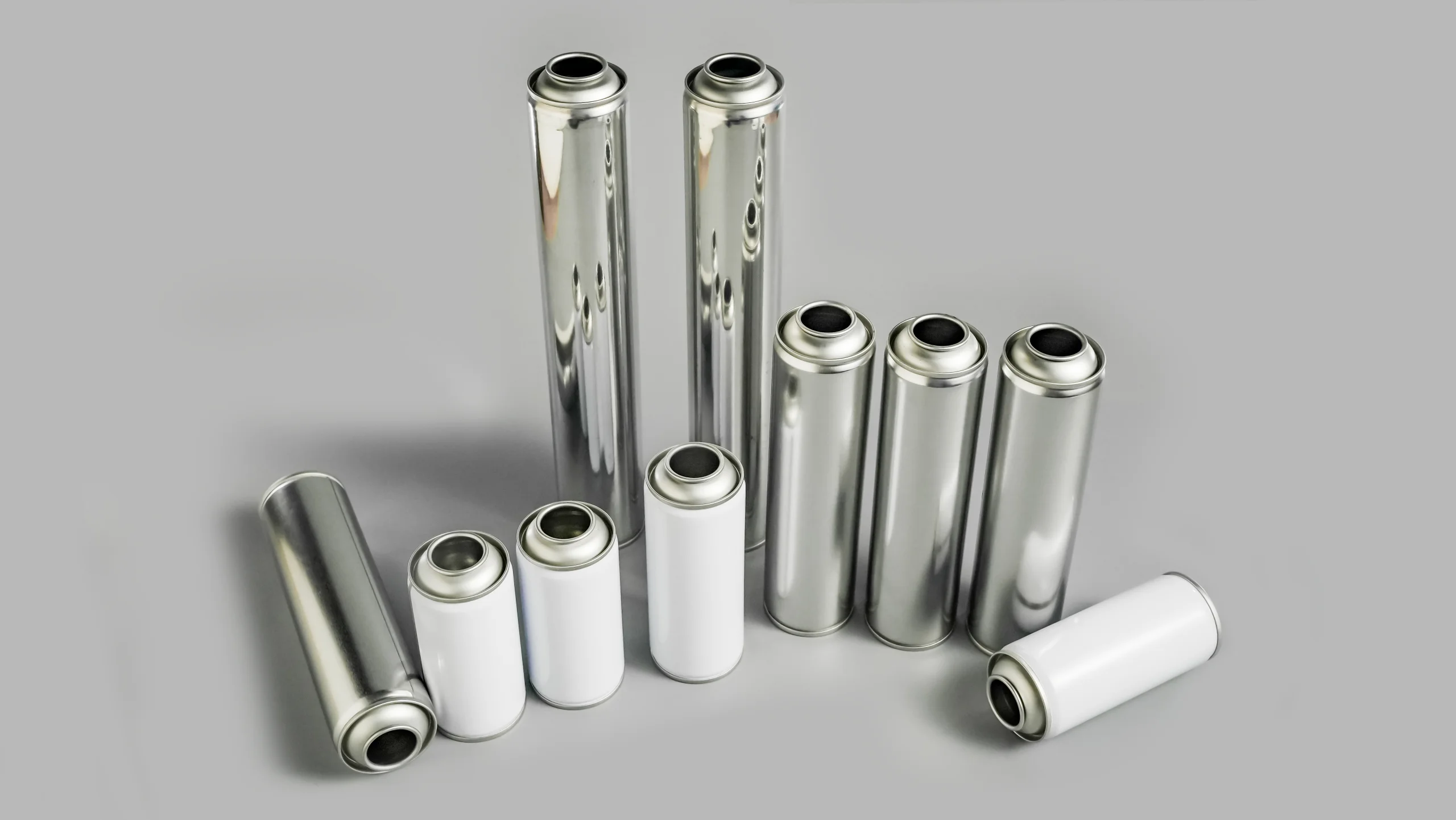
Aerosol Tin Can Size & Fill Volume Chart 45mm–70mm (With Propellant Headspace Rules)
“Can I put 500ml of liquid into a 500ml aerosol tin can?” It sounds like a question with an obvious answer. It isn’t — and the buyers who treat it as obvious are the same ones who end up with bulging cans on a summer truck, leaking valves in the warehouse, or a filling line that rejects one can in twenty. This guide gives you the complete size reference for aerosol tin cans from 45mm to 70mm, together with the headspace rules that connect can capacity to safe fill volume. Bookmark it — this is the chart you’ll come back to for every new product development. First, One Term That Costs Buyers Money: Brimful Capacity ≠ Fill Volume Every aerosol tin can has two different “volumes,” and confusing them is the single most common spec mistake...Learn more -
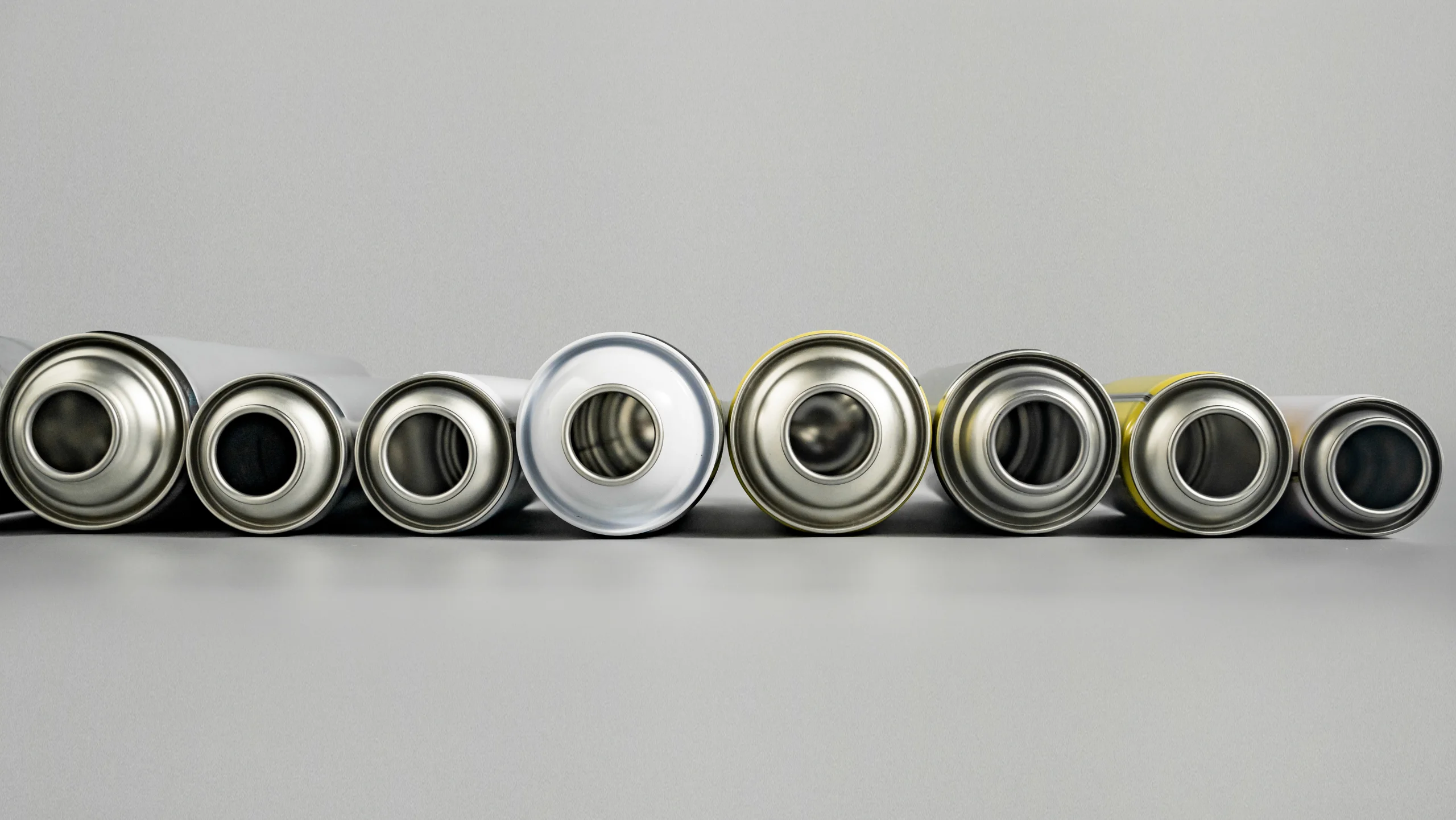
Tinplate Aerosol Cans for Household Insecticides & Air Fresheners: Solutions for Lid Cracking and Nozzle Clogging in High-Humidity Environments
For brands, contract manufacturers and procurement teams in the home care sector, end-user complaint management directly defines a product’s market lifecycle. For household insecticides and air fresheners — products often stored in humid, enclosed spaces like bathrooms and kitchens — complaints about cracked plastic lids, sticky nozzles and weak spray performance have long been a persistent, hard-to-solve challenge. Many manufacturers simply attribute these failures to natural plastic aging, overlooking the combined effect of tinplate aerosol can system compatibility, active ingredient chemistry and environmental stress. This article breaks down the root causes from an R&D and procurement perspective, and shares proven, field-tested complete solutions. 1. Root Causes of A...Learn more -
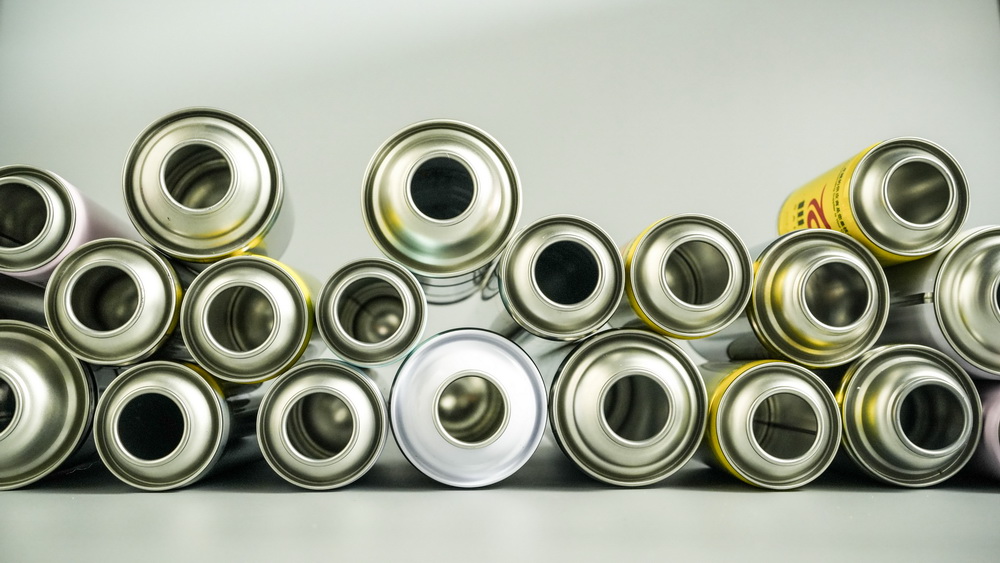
Reducing Aerosol Tin Can Body Thickness by 0.02mm: Real Cost Savings or Burst Risk Bomb?
For many procurement teams, cutting the thickness of a aerosol tin can body by 0.02mm seems like a quick and easy way to lower unit costs. This practice is common across industries from car care, home care to personal care — but most buyers only see the small drop in material cost, and ignore the chain risks caused by reduced mechanical performance of the can body. As an experienced aerosol can manufacturer with over 17 years in the industry, SAILON always emphasizes: blind thickness reduction is a short-sighted cost-cutting trap. The tiny savings on material will never cover the losses from bursting cans, shipping damage, compliance fines, or damaged brand reputation. In the long run, it only drives up your total supply chain costs. Risk Matrix: Pros and Cons of 0.02mm Thic...Learn more -
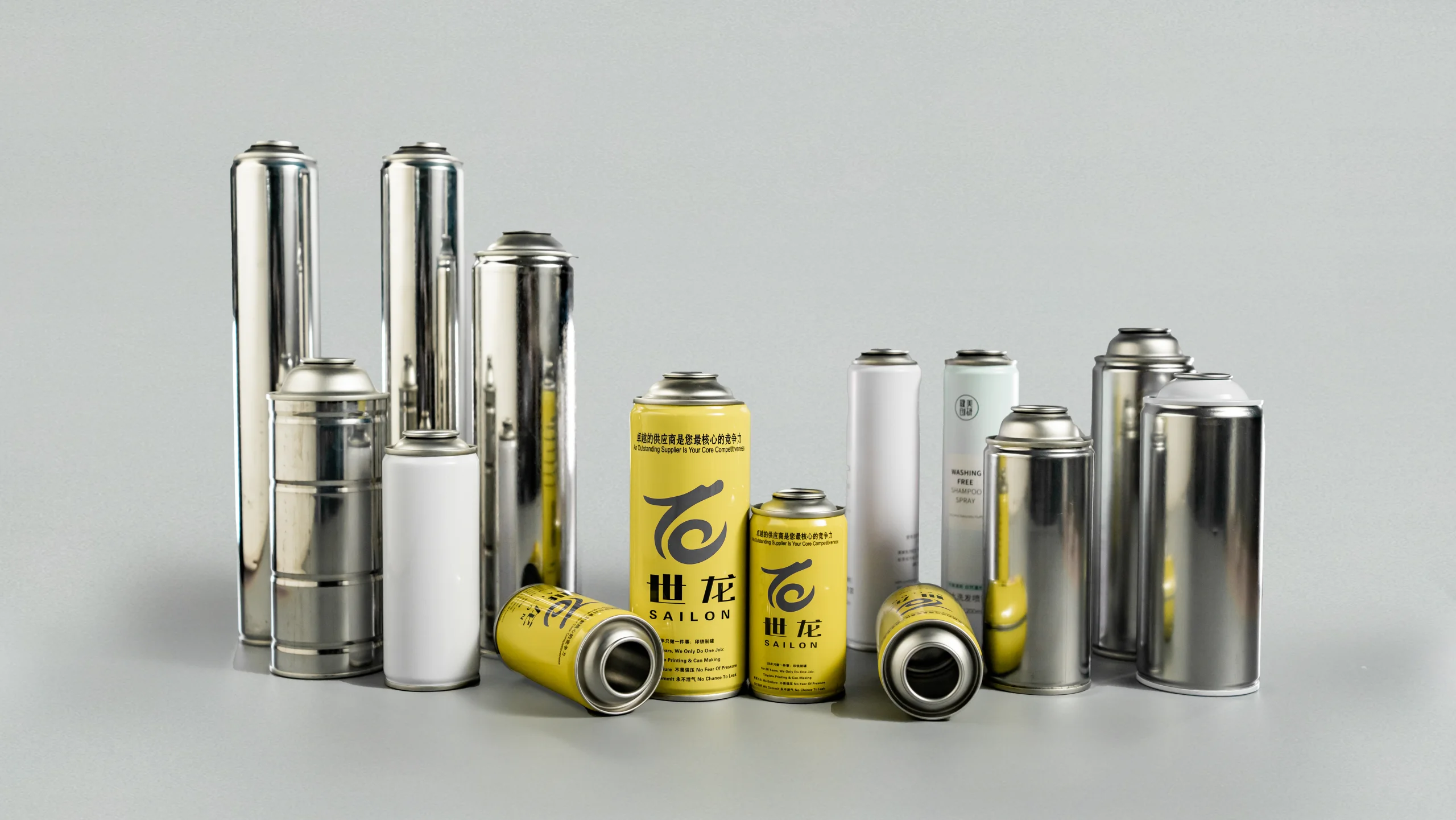
Aluminum vs. Tinplate Aerosol Cans: Save 30% on Costs, But Will Your Cosmetic Inner Coating Peel Off?
In cosmetics and personal care supply chain management, packaging cost (COGS) directly dictates profit margins and market competitiveness. Driven by cost-reduction goals, many brand owners and OEM/ODM manufacturers are turning to material substitution—transitioning from traditional aluminum aerosol cans to tinplate aerosol cans. This simple transition often yields a 20% to 30% reduction in packaging procurement costs. However, product managers and sourcing teams frequently share a critical concern: If we switch to tinplate, will our sunscreens, hydrating mists, or hairsprays suffer from internal coating peeling, formulation degradation, or pinhole corrosion? This article breaks down the financial logic behind tinplate aerosol cans, examines the root causes of inner coating fa...Learn more -
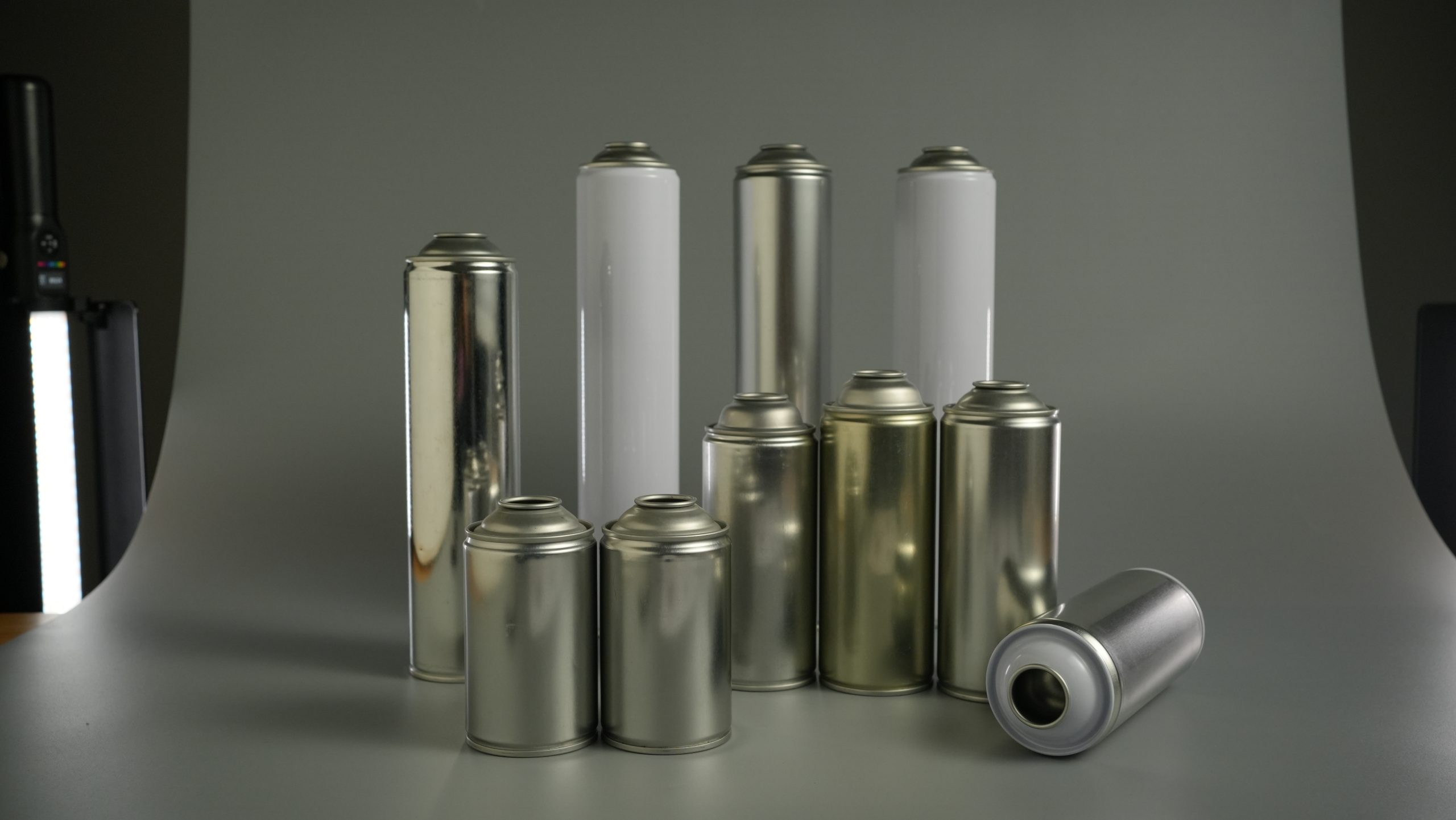
Why 45mm and 52mm Small-Caliber Aerosol Tin Cans Are the Ultimate Portable Packaging Solution for Body Lotions and Cleaners?
In the personal care and precision industrial chemical markets, the portability and compliance of product packaging often determine how quickly a product scales. Many brand owners fall into a common trap when developing travel-size items: blindly choosing plastic (PET) spray bottles or overlooking how can diameter affects user ergonomics and filling line compatibility. For brands looking for a high-value, cross-industry metal packaging solution, 45mm aerosol tin cans and 52mm tinplate aerosol tin cans are rapidly becoming the top choice for global B2B buyers and product managers. These small-caliber portable aerosol tin cans hit the sweet spot for airline capacity limits and travel restrictions while delivering exceptional structural integrity for precision cleaning applications...Learn more -
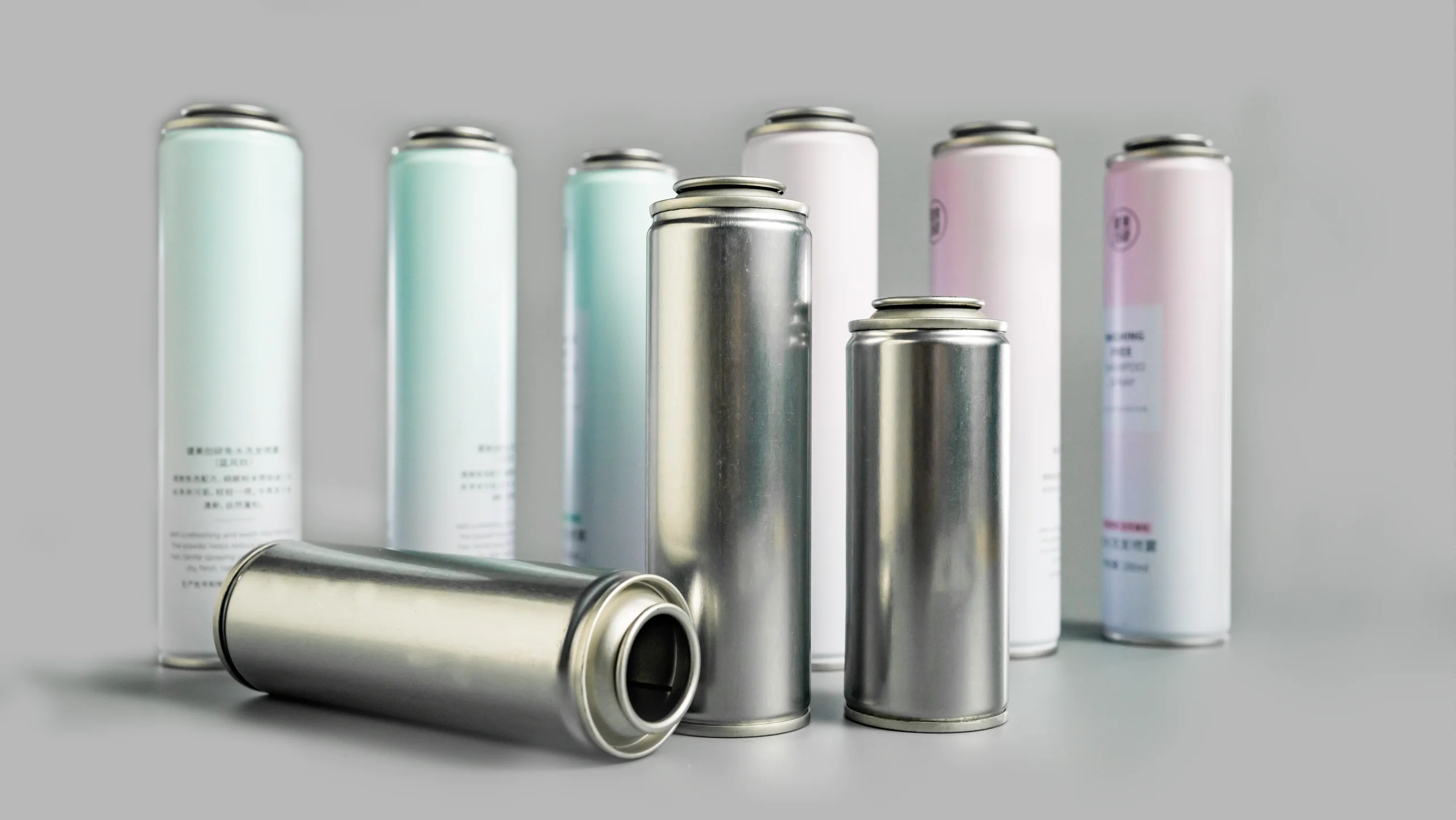
How to Reduce the Risk of Rust and Damage to Tinplate Aerosol Cans During Ocean Freight?
Why Do Tinplate Aerosol Cans Always Rust at Sea? The Ultimate “Zero-Loss” Ocean Freight Protection Guide For B2B buyers and exporters of aerosol products, few things are more frustrating than opening a container after weeks at sea only to find the tinplate cans covered in rust spots or dented from compression. This means direct financial losses and a heavy blow to customer trust. How can you combat container humidity, drastic temperature swings, and rough maritime handling? This guide takes you from raw material selection down to packaging details to help you achieve zero-loss ocean freight. 1. The Invisible Killer: What Does “Container Sweat” Do to Your Metal Cans? When containers cross the equator or experience massive diurnal temperature range...Learn more -

High-Pressure Aerosol Tin Can Selection Guide: 3 Critical Metrics to Prevent Bursting and Clogging
The Nightmare of Aerosol Paint Brands: From Customer Complaints to Recalls In the aerosol industry, spray paint products are often the biggest headache for procurement and quality control teams. To achieve better coverage and atomization, many brand owners increase the propellant ratio or utilize aggressive organic solvents. Shortly after launching, bad reviews start rolling in: cans deforming or bursting during summer transport, or nozzles completely clogging up after a few months on the shelf. These failures stem from a fundamental mismatch between the liquid formulation and the packaging container. Choosing the wrong Spray Paint Aerosol Tin Can not only ruins your brand reputation but also creates serious logistical hazards. If you want to eliminate risks during Aerosol Pa...Learn more