Welcome to Foshan SAILON Tinplate Printing & Can Making Co., Ltd.



News
-

Tin Spray Can Clog Troubleshooting: Valve Orifice & Internal Coating Flaking Cause Analysis
Technicians and product developers often encounter annoying issues with tin spray cans. Cans stop spraying halfway and cause customer complaints. Most teams struggle with aerosol can clogging because suppliers blame each other without clear judgment standards. Many workers label all clogging issues as tank quality problems. This judgment stays inaccurate. Blockages come from two core sources: improper valve orifice matching or severe internal coating flaking. Simple field tests help teams define causes quickly. Two Field Tests to Find Spray Can Clogging Causes Inspectors do not need professional tools to judge spray can failures. Two basic tests identify problems for most standard tin aerosol cans. First, remove the nozzle and check internal valve residues. Fine dry pai...Learn more -

Tin Aerosol Can High-Temperature Shipping Bulging Solutions: Complete Guide to Pressure Resistance and Container Protection
Packaging manufacturers face a common hidden shipping issue. Qualified tin aerosol cans leave factories in perfect condition but develop bulges, bottom deformation and minor leakage after long container transit. These defects skip factory quality checks but appear steadily in hot enclosed environments. Container temperatures can hit 70℃ under intense heat, and vaporizing internal propellants build extreme pressure to deform cans. Most teams blame weak tinplate material for can deformation, but professional testing disproves this idea. Tinplate features ultra-low thermal expansion and never deforms independently under high heat. Rising saturated vapor pressure from heated contents and propellants acts as the real cause of tin aerosol can bulging. Permanent deformation occurs once...Learn more -
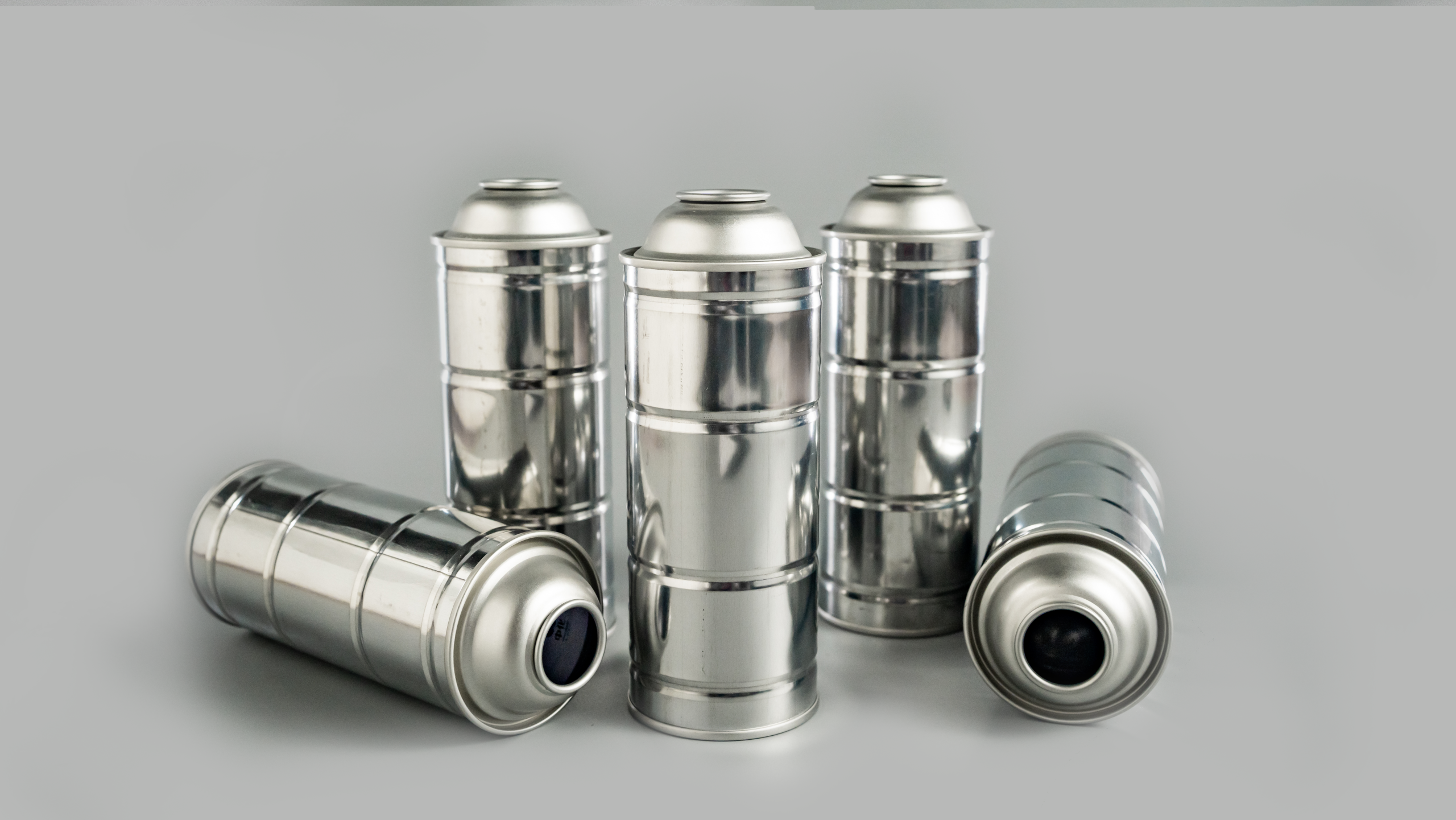
Tinplate Aerosol Cans for Butane: Solving the 55°C Water Bath Bulging Issue with Custom Engineering
Every aerosol contract filler and brand owner knows that stomach-dropping feeling. Your production run of tinplate aerosol cans looks flawless at room temp, and the double seams pass visual inspection with flying colors. But the moment they hit the mandatory 55°C water bath test, reality strikes. The bottoms of those aerosol cans start to dome, buckle, or permanently deform. A failed water bath test isn’t just a minor hiccup—它 means your entire batch is dead in the water, blocking compliance and delaying critical shipments. Driven by industry benchmarks like ISO 13088 and GB/T 14449, SAILON leverages 17 years of specialized aerosol can manufacturing to break down exactly why butane cans buckle under pressure—and how our custom-engineered shrapnel-bottom solutions keep you...Learn more -
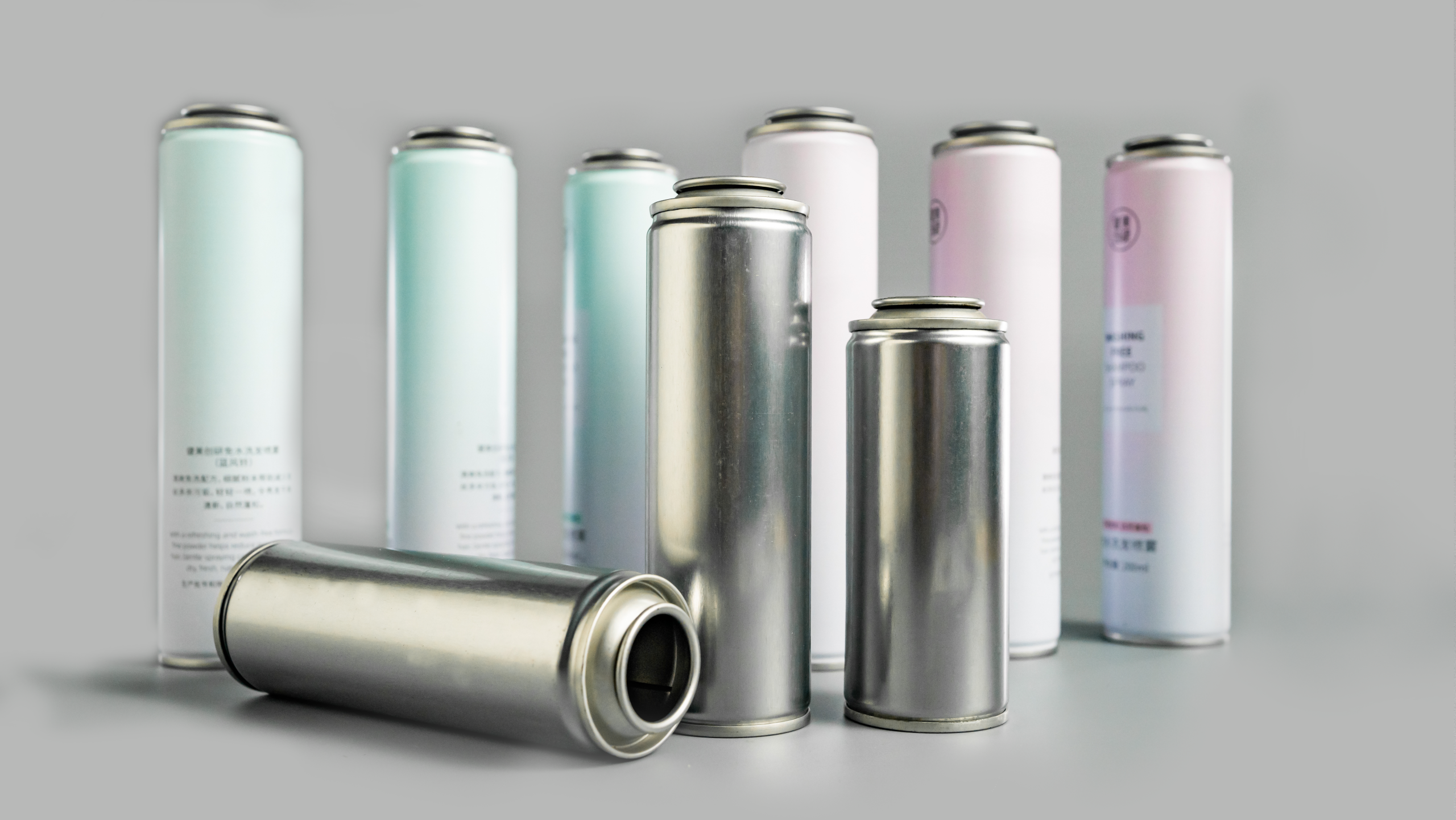
Stop Wasting Cans! Why Your 45mm Tinplate Aerosol Cans Deform During Crimping
Imagine this: Your high-speed aerosol filling line is running at peak capacity, but by the end of the shift, the QC bin is overflowing with rejected cans. The valves are loose, the necks are wrinkled, and pressure is leaking. You’ve strictly followed the machine manual and dialed in the parameters a dozen times, yet the 45mm tinplate necked-in aerosol cans keep buckling. Sound familiar? You are not alone. The 45mm slim profile is a notorious headache for filling factories worldwide. As a premier wholesale aerosol can supplier, SAILON has cracked the code. In this insider guide, we will uncover why these micro-deformations happen and how a simple engineering upgrade can boost your filling yield to 100%. The Physics of Failure: Why Do 45mm Slim Cans Buckle Under Pressure? In...Learn more -
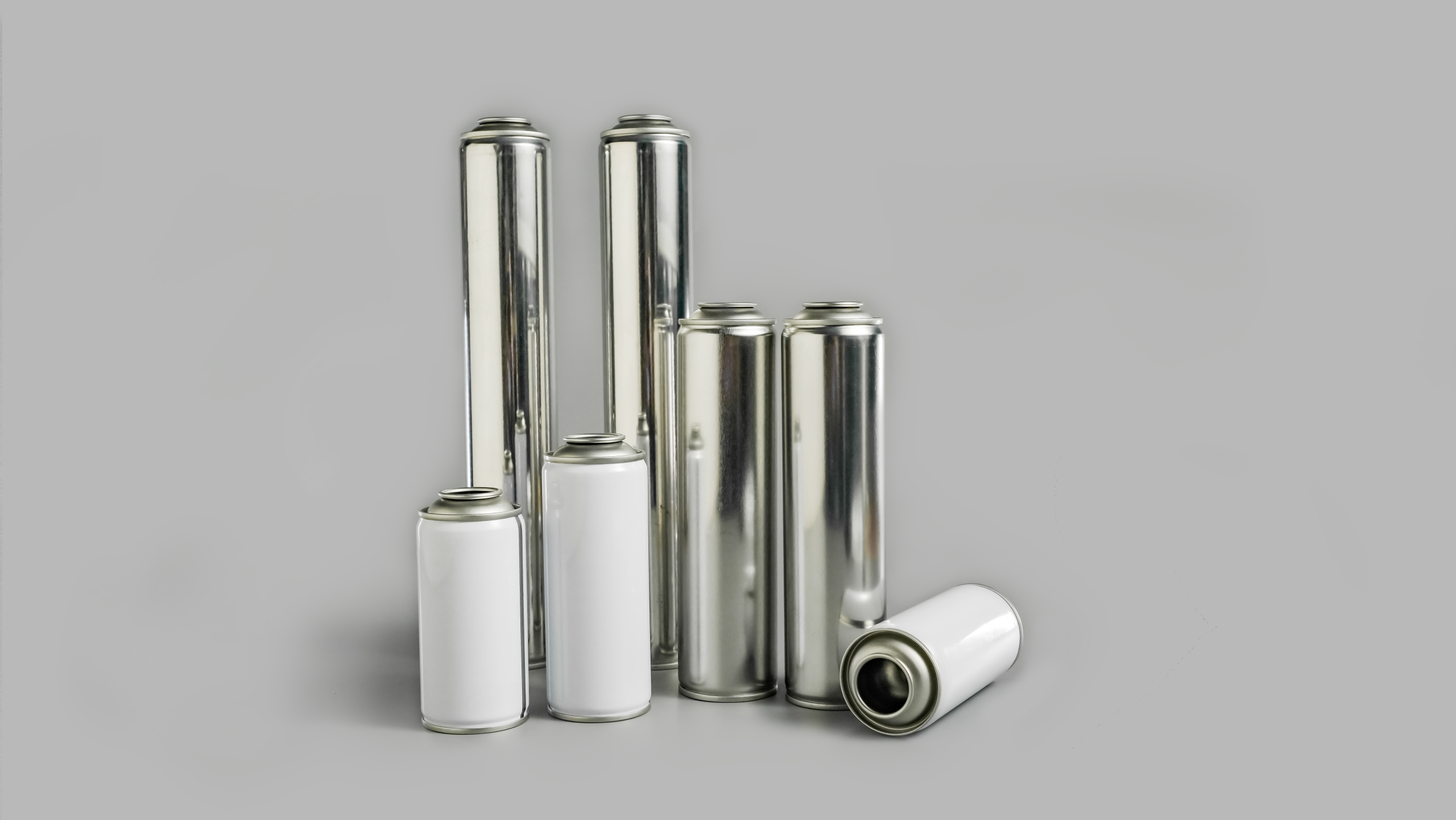
Aerosol Tin Can High-Temperature Safety Standards: Deform & Burst Pressure Margins
When managing global chemical supply chains, choosing the right aerosol tin can specification determines the safety of your inventory during summer transport. High temperatures inside shipping containers regularly exceed 55°C, causing volatile media to expand rapidly. To ensure complete refrigerant packaging safety, procurement managers must look past standard packaging and invest in verified high pressure aerosol can designs that mitigate thermal stress. Choosing a qualified tinplate aerosol can manufacturer ensures compliance with rigorous international transport regulations, protecting your products from catastrophic structural failures, costly inventory leakage, and liability during transit. The Dynamics of Thermal Expansion in Industrial Cargo Logistics During peak summe...Learn more -
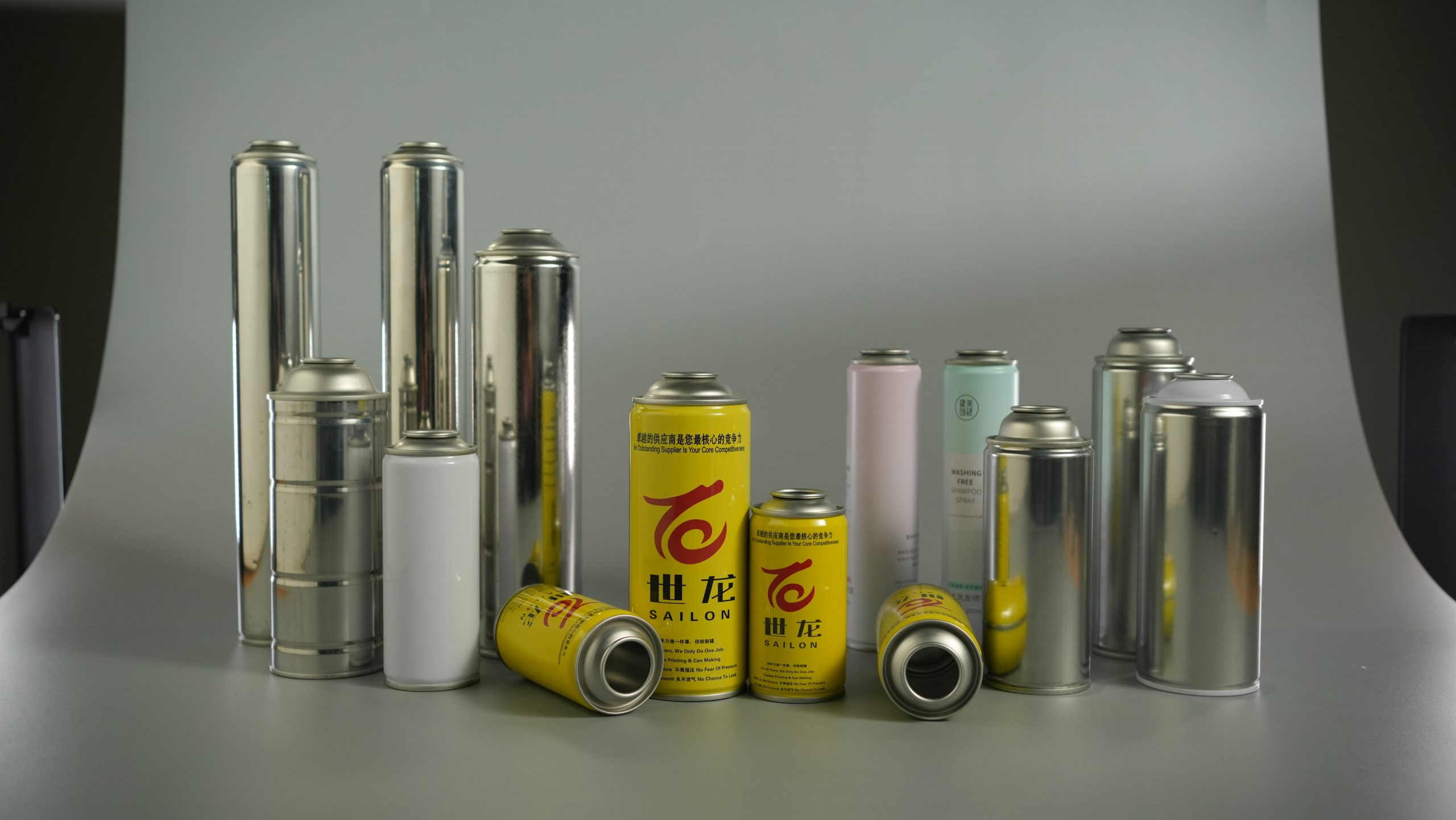
Tin-Necked Aerosol Can Sealing Technology: Solving Pre-Curing of 2K Coatings Caused by Micron Leakage
In the mass production and global supply chain of two-component (2K) aerosol coatings, the structural sealing precision of necked-in tinplate aerosol cans dictates the failure rate of premature curing caused by internal piston micro-leakage. Many high-performance automotive refinish paint and high-solid industrial primer manufacturers suffer from chronic invisible losses: unopened and unactivated products gradually gel, clump, or completely harden within standard warehousing cycles. These failures are rarely caused by defects in the paint formulation itself. Instead, the vast majority are chain reactions triggered by micron-level leakage in the aerosol can’s bottom puncture-sealing system. A critical detail often overlooked by production managers is that the curing reac...Learn more -
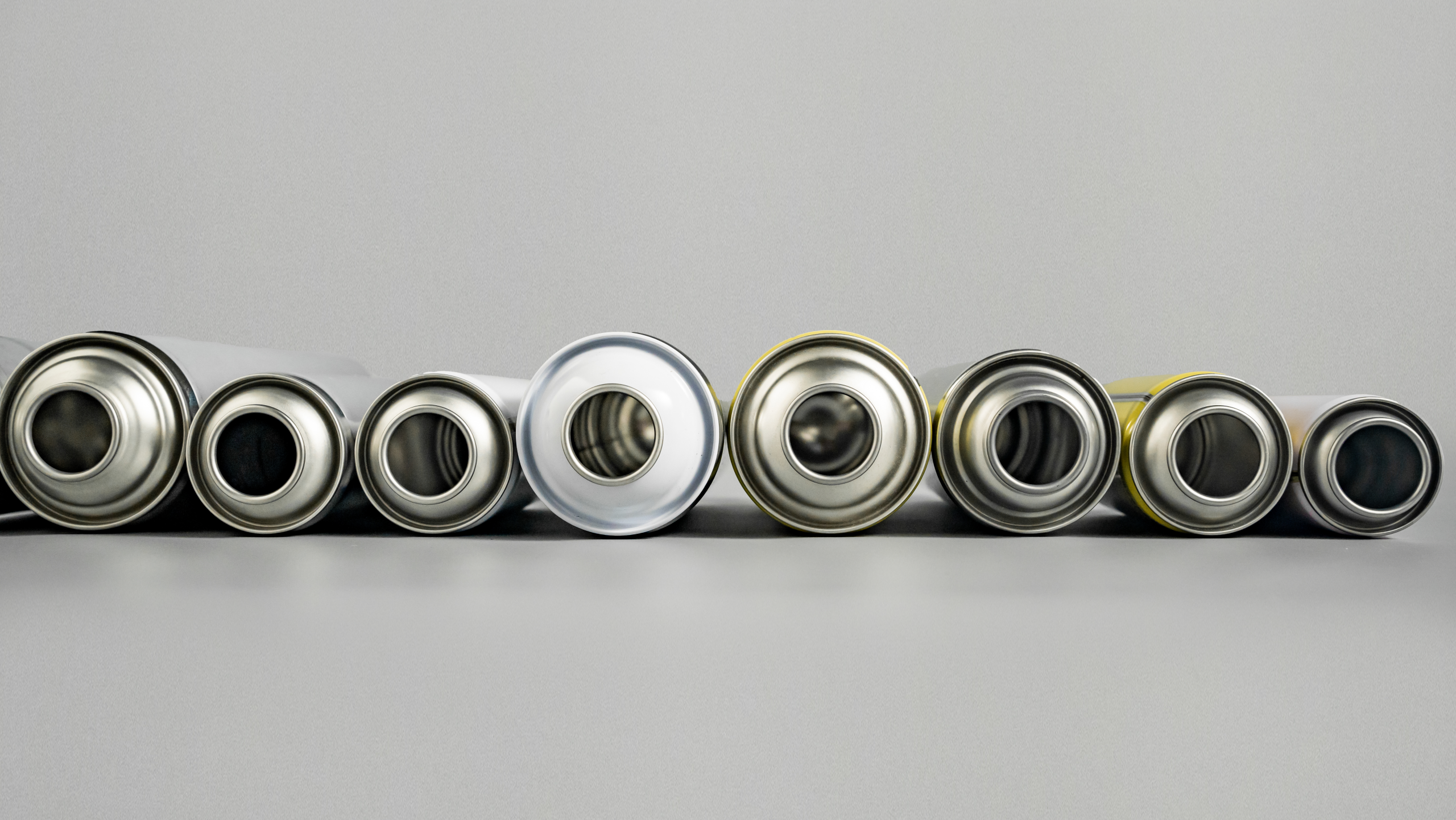
Why Carburetor Cleaner Aerosol Cans Leak at the Shoulder: A Complete Guide to SCC Prevention in Tinplate Packaging
The Hidden Cost of Shoulder Cracking in Carburetor Cleaner Packaging For brands formulating strong solvent products, tinplate aerosol can shoulder crack issues are far more than a minor quality defect — they are a silent drain on profit and reputation. Carburetor cleaner aerosol tin cans face the highest risk of this failure mode, thanks to the high toluene and acetone content in most formulas. What starts as a tiny, invisible crack at the shoulder bend can turn into full batch rejection, customer returns, and damaged brand trust after months on warehouse shelves. Unlike pressure burst failures that show up immediately during production, carburetor cleaner can leakage from SCC develops slowly, often going undetected until the product is already in distribution. How to Identif...Learn more -
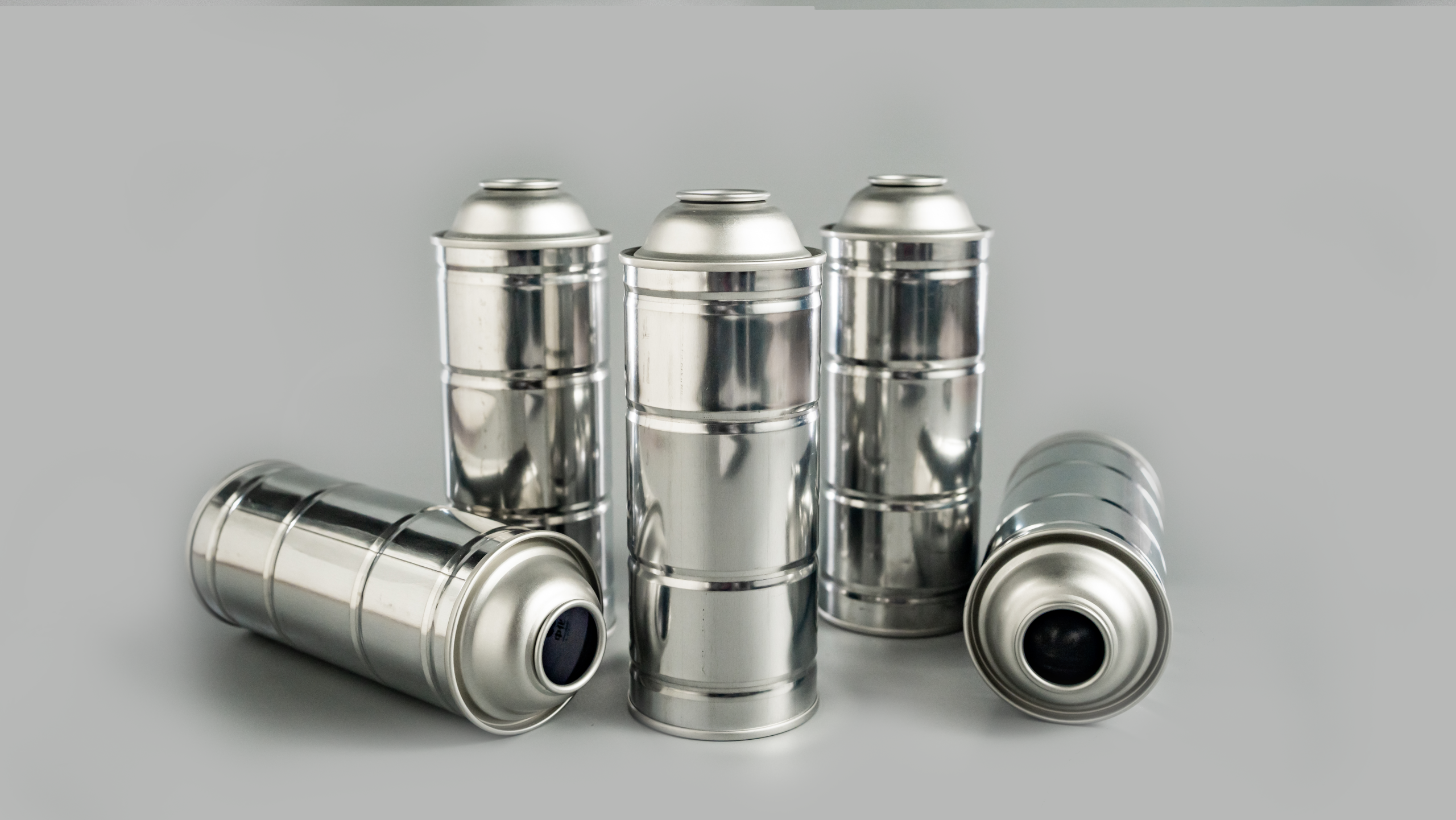
Aerosol Tin Can Filling Line Jamming? Here‘s Why Curl Diameter Doesn’t Match Your Filling Head
1. The Problem: Unplanned Downtime Killing Your Filling Line Efficiency Your aerosol filling line stops. Again. The alarm sounds. Production grinds to a halt. Your first instinct? Blame the equipment. Blame the line speed. But what if the real culprit arrived on the pallet before the first can ever reached the filling head? Most unplanned aerosol can filling line jamming issues are not caused by faulty machinery or operator error. They stem from hidden tinplate aerosol can manufacturing compatibility issues that most production teams overlook during quality checks. Persistent filling line downtime aerosol creates far larger losses than most plant managers realize. A standard 200 CPM filling line that jams just three times per shift loses approximately 7,200 cans per day. Over...Learn more -
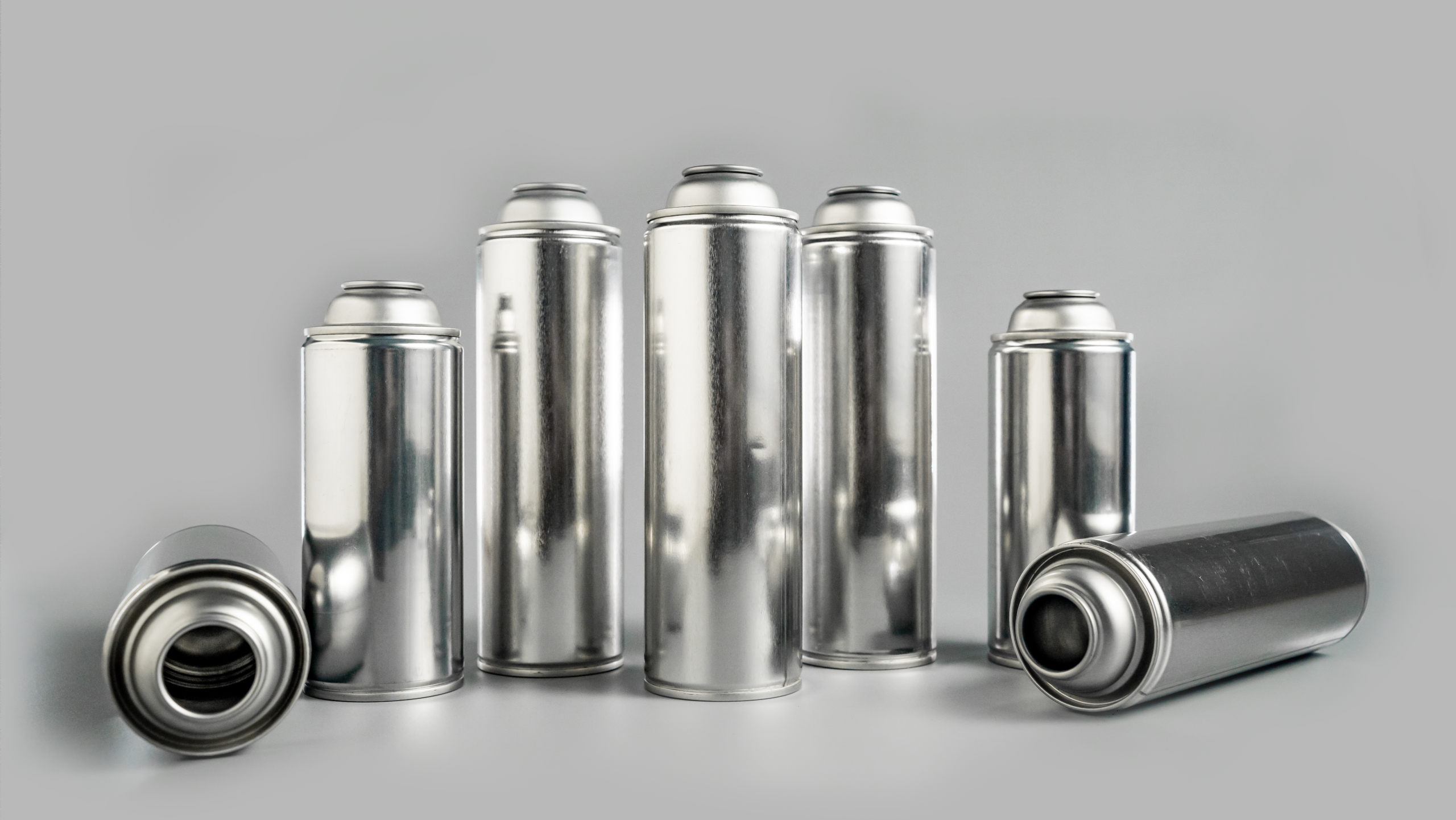
Anti-Silicone Creep Aerosol Cans:The Root-Cause Solution for Tire Shine Spray Label Failure
The Common Bulk Production Pain Point: Tire Shine Can Label Peeling & Rim Grease Most custom aerosol cans for tire shine manufacturers face an unsolved batch quality issue. Finished silicone tire shine spray can products pass factory inspection smoothly, yet develop greasy can rims and loose labels after storage and shipping. Silicone oil creep on aerosol can valve is the real culprit behind unstable labeling quality, rather than glue or labeling machine defects. Many production teams waste costs on replacing adhesives and adjusting labeling parameters. These adjustments only deliver temporary improvements. In high-temperature storage and long-distance bulk transportation, aerosol can label adhesive failure silicone occurs repeatedly, causing batch returns and brand reput...Learn more -

spray paint aerosol tin can: Complete Solution for Poor Suction and Color Difference Caused by High-Solid Pigment Sedimentation
Many industrial coating manufacturers struggle with consistent spraying quality despite premium pigments, precise formula ratios, and standardized production processes. Frequent color inconsistency, poor liquid suction, and excessive bottom residue are common after-sales issues. The real cause of high solid paint sedimentation problem in aerosol cans is rarely the paint formula itself, but the inherent structural flaws of traditional aerosol cans. The professional aerosol can bottom design for anti-settling developed by SAILON completely solves the industry pain points of uneven mixing, suction blockage and batch color difference through structural upgrading. The Overlooked Truth: How Can Design Dominates High-Solid Spray Paint Performance High-solid industrial spray paints a...Learn more