Welcome to Foshan SAILON Tinplate Printing & Can Making Co., Ltd.



News
-
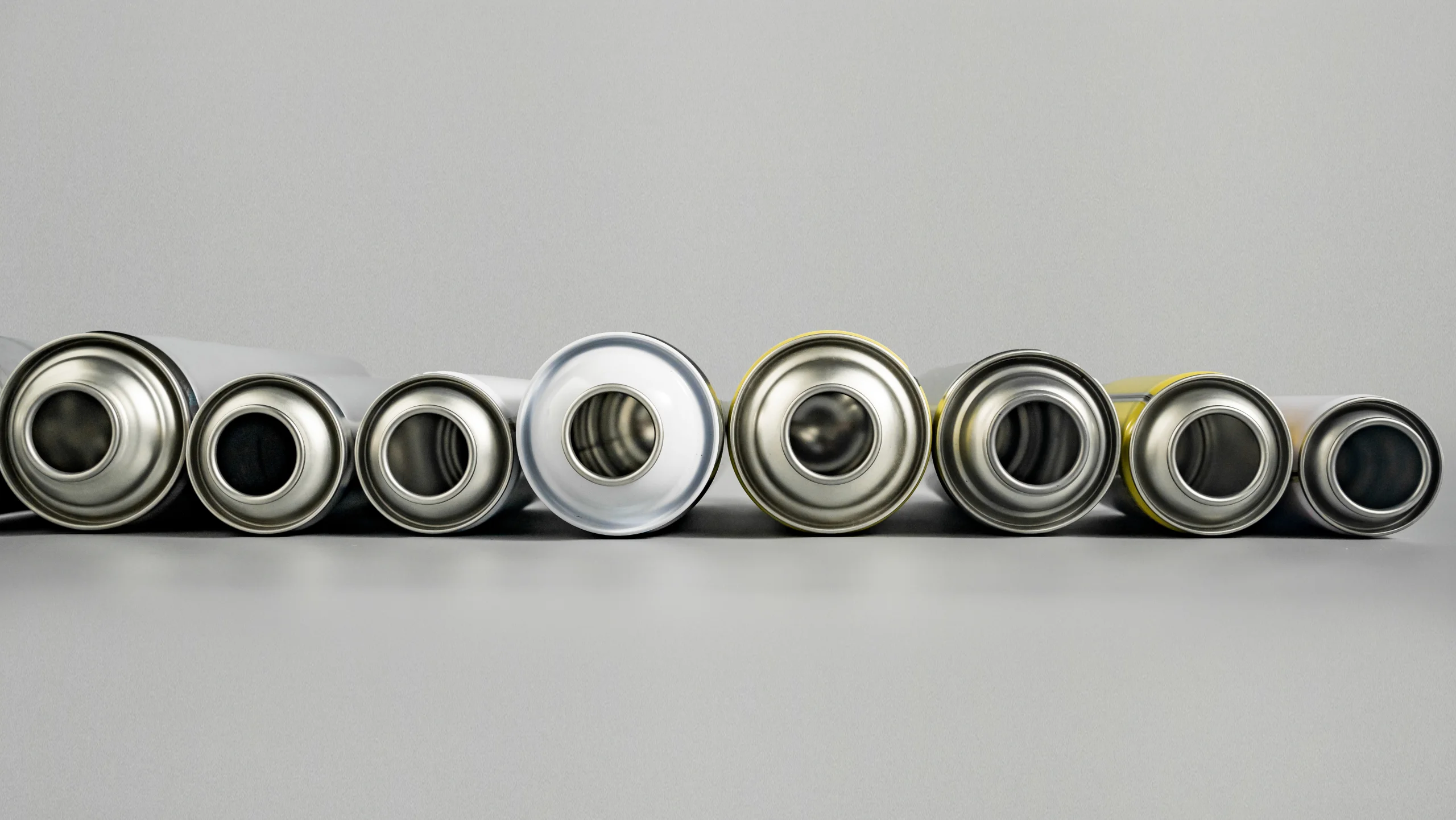
Tinplate Aerosol Cans Rusting at Neck? Water-Based Hairspray Anti-Corrosion & Micro-Crack Guide
Alcohol-free, natural water-based hairsprays are exploding in popularity across global haircare markets. However, many brand owners and aerosol contract fillers (OEM/ODM) have stumbled into a costly disaster: Just 3 months after landing on retail shelves, reddish rust spots appear around the necked-in area of the tinplate aerosol cans, dispensing contaminated, brownish spray! For premium haircare brands built on clean formulations and quality, customer complaints of this nature are devastating. Mass product recalls and ruined retail partnerships follow rapidly. R&D and procurement managers often jump to the conclusion that the inner lacquer formulation was wrong. Yet, upon cutting open the failed cans, the body lacquer remains pristine—the severe pitting rust is isolated str...Learn more -
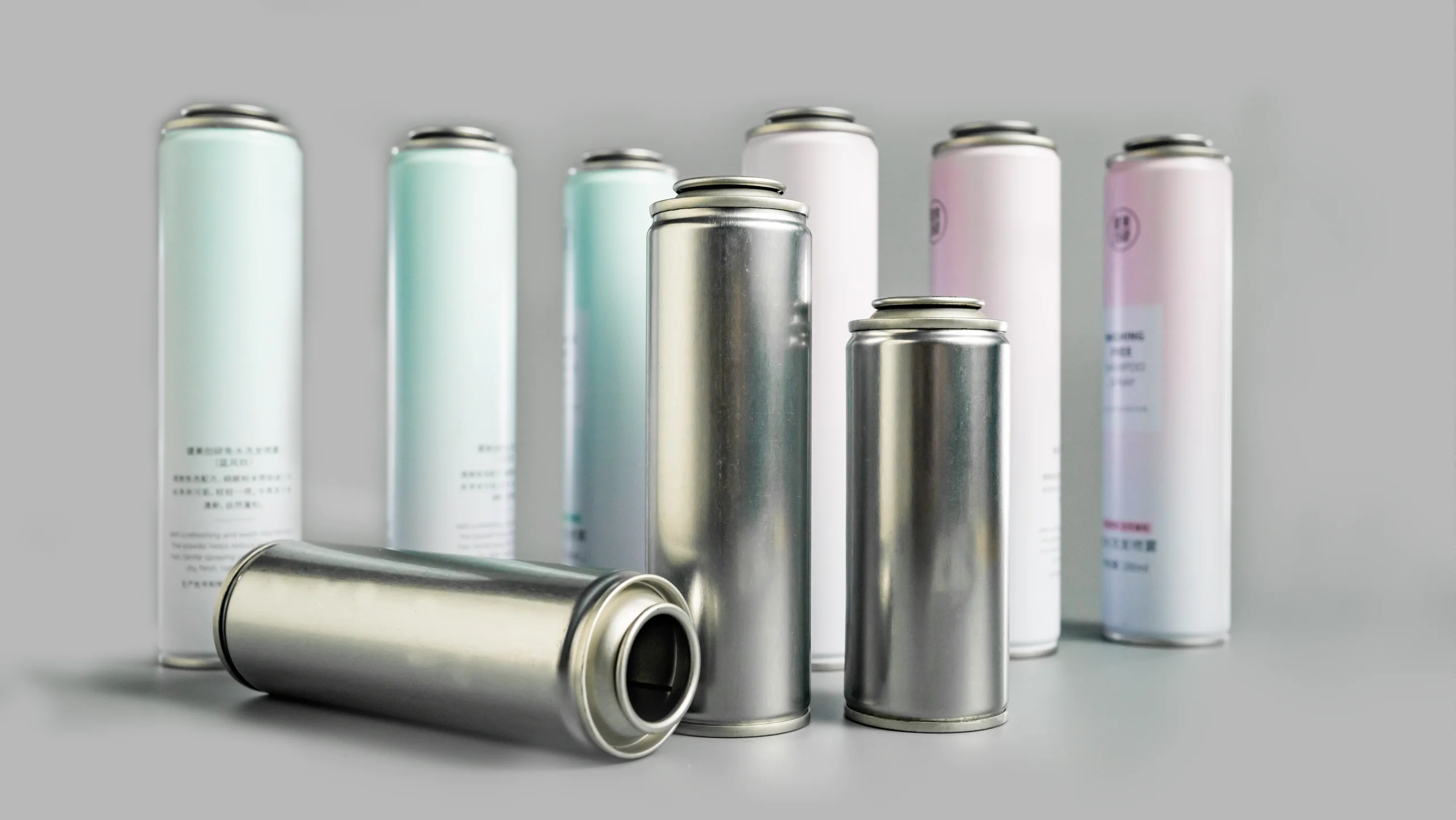
Tinplate Brake Cleaner Aerosol Cans Bursting in Summer Shipping? Stop Thickening Steel: The 2% Cost Fix
Every July and August, when ocean containers land at ports in Dubai, Texas, or Rotterdam, our customer service inbox receives urgent distress calls: “SAILON team, our aerosol cans burst inside the container during transit! The bottom ends buckled out, solvent leaked everywhere, and the buyer rejected the entire shipment. We are facing a massive claim!” Inside a sealed steel shipping container during summer, internal temperatures easily reach 60°C to 70°C (140°F–158°F). Fast-drying solvents and high-pressure propellants expand rapidly inside the packaging. Many brand owners assume that increasing steel thickness from 0.28mm to 0.32mm will solve the problem. The result? Skyrocketing costs, added freight weight, and cans that still burst upon arrival. Sourcing reliable summ...Learn more -
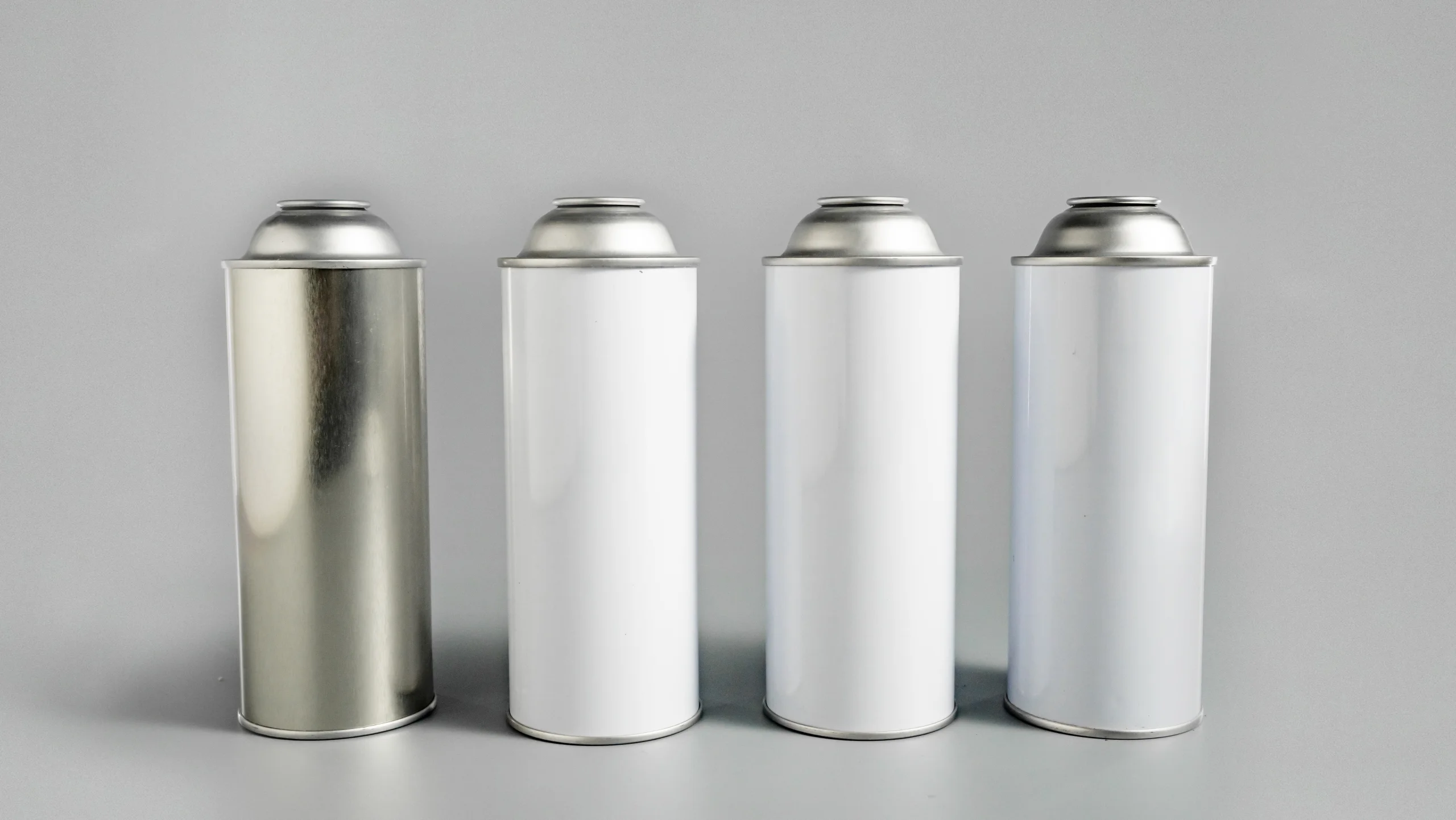
Custom Aerosol Tin Can Cost Factors: 5 Hidden Elements Shaping Your Unit Price & Procurement Budget
Why Do Custom Aerosol Can Quotes Vary So Drastically? When sourcing custom tinplate aerosol cans from global suppliers, B2B procurement managers are often puzzled by widely differing unit price quotes for what appears to be the same size can. A difference of $0.02 to $0.05 per unit may seem minor at first glance, but across a 500,000-can annual order, it represents tens of thousands of dollars in profit margin. Understanding the underlying cost drivers is key to budget optimization. Unit costs are shaped by specific engineering specs, raw material grades, and production efficiencies. Here are the 5 hidden factors that impact custom aerosol tin can unit costs and practical strategies to reduce your packaging spend without compromising safety. 1. Tinplate Thickness and Steel...Learn more -
Rust-Resistant Shaving Foam Aerosol Cans: How Plastic Ring Bases Prevent Bottom Rim Corrosion?
The Hidden Bathroom Hazard Ruining Your Grooming Brand’s Image Imagine a premium shaving foam sitting on a wet marble shelf in a customer’s shower. Within weeks, the constant exposure to high humidity leaves a stubborn brown rust ring on the tile. The consumer doesn’t blame the bathroom environment—they blame your brand. For personal care and hair styling brands, bottom rim rusting in shaving foam aerosol cans is one of the most frequent yet overlooked causes of return requests and brand reputational damage. Traditional tinplate spray cans feature an exposed bottom seam where rolled metal edges trap water droplets. Without specialized barrier protection, galvanic corrosion takes hold fast. Fortunately, modern metal packaging technology offers zero-rust alternatives engi...Learn more -
Why Acidic Rust Converter Aerosol Tin Cans Leak (and How Double-Pass Epoxy Shields Fix It)?
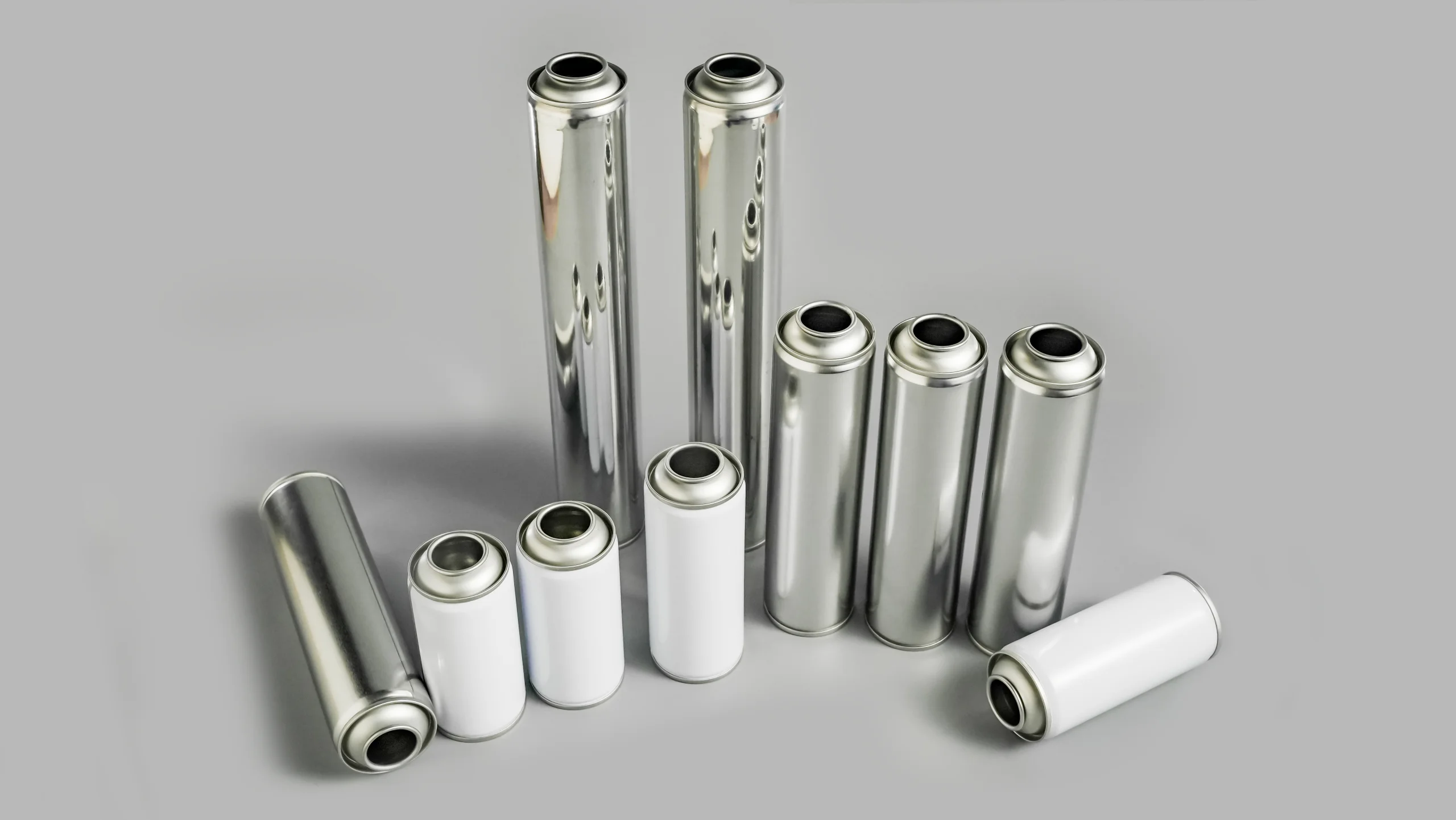
Imagine shipping 20,000 units of your high-performing rust converter spray, only to get urgent calls from distributors three weeks later: the cans are pin-leaking, the formula has turned black, and the bottom seals are falling apart. For aerosol packaging engineers and chemical brand owners, acid-induced internal coating failure is a costly nightmare. Standard aerosol tin cans simply aren’t built to hold formulas with a pH between 3.0 and 5.0. Here is what happens inside an acidic rust converter aerosol tin can at the microscopic level—and how engineered epoxy-phenolic coating tinplate technology prevents catastrophic batch recalls. The Acid Attack: How Low pH Formulas Liquidate Standard Inner Coatings Most active rust converters rely on organic acids or phosphoric ac...Learn more -
Why 80% of Sunscreen Mists Lose Pressure on Shelves: The 45mm Aerosol Tinplate Can Precision Fix
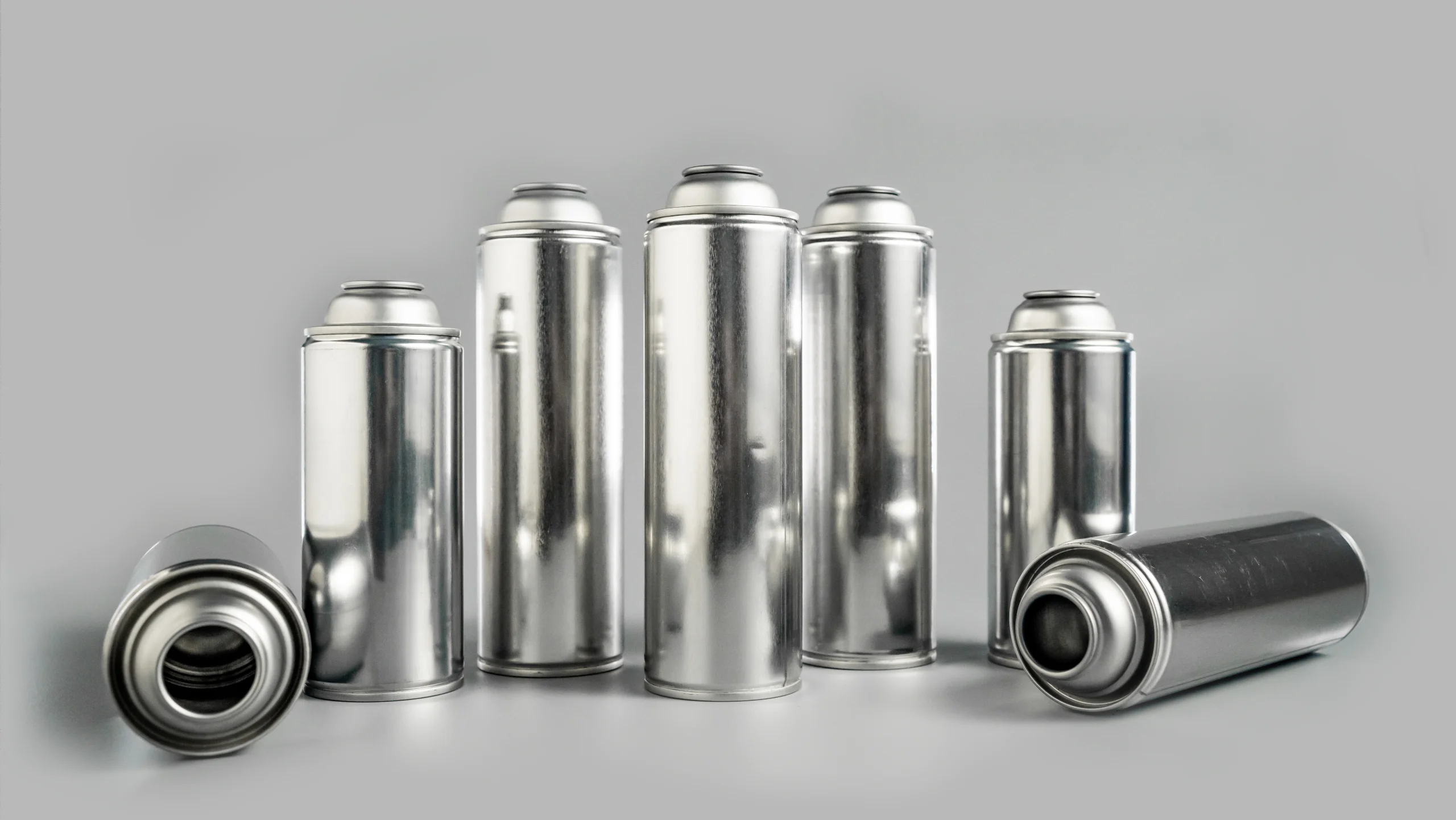
In the aerosol industry, pressure drop is the ultimate silent deal-breaker. For cooling sunscreen mists formulated with 60% to 80% denatured ethanol, the biggest threat to shelf life isn’t a bad valve batch—it is microscopic neck ovality on standard tinplate sunscreen aerosol cans. When a 45mm can neck loses its true roundness, standard valve gaskets fail to achieve complete 360° uniform compression. Over 3 to 6 months of warehousing, volatile alcohol molecules continuously escape through sub-micron voids, taking internal propellant pressure down with them. Here is the exact mechanism behind alcohol migration and how precision necking technology fixes it for B2B brands and fillers. ⚡ Quick Technical Answer High-volatility ethanol (60%–80%) escapes when standard ...Learn more -
Why Do Aerosol Tin Cans Rust En Route to Southeast Asia? A Practical Anti-Rust & Packaging Guide for Ocean Freight
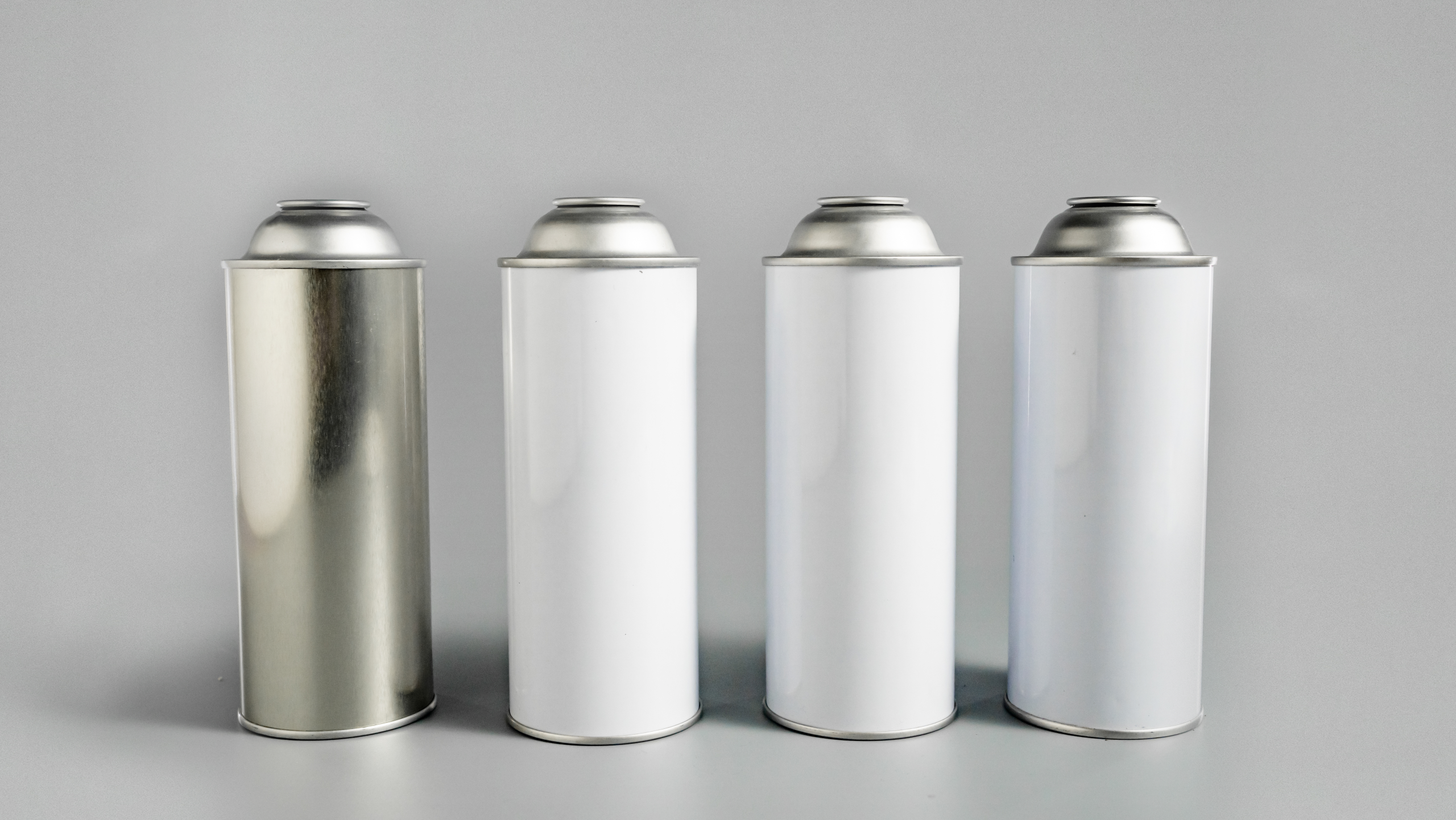
Opening a shipping container only to find rust spots creeping along the seams of your aerosol tin cans is every procurement manager’s worst nightmare. Cans that passed factory inspection with flying colors often arrive at tropical ports with unsightly corrosion after just over a week of transit across equatorial shipping lanes. For businesses scaling custom aerosol packaging, this translates directly to rejected shipments, wasted inventory, and strained client relationships. With extensive experience in metal packaging structure and surface protection, SAILON has untangled the corrosion chain in high-temperature, high-humidity marine environments. Here is a field-tested, quantifiable anti-rust execution standard covering everything from base materials and coating cures to ...Learn more -
Solving Aerosol Off-Odors: A Technical Guide to Internal Lacquering for Cosmetic & Food-Grade Tinplate Cans
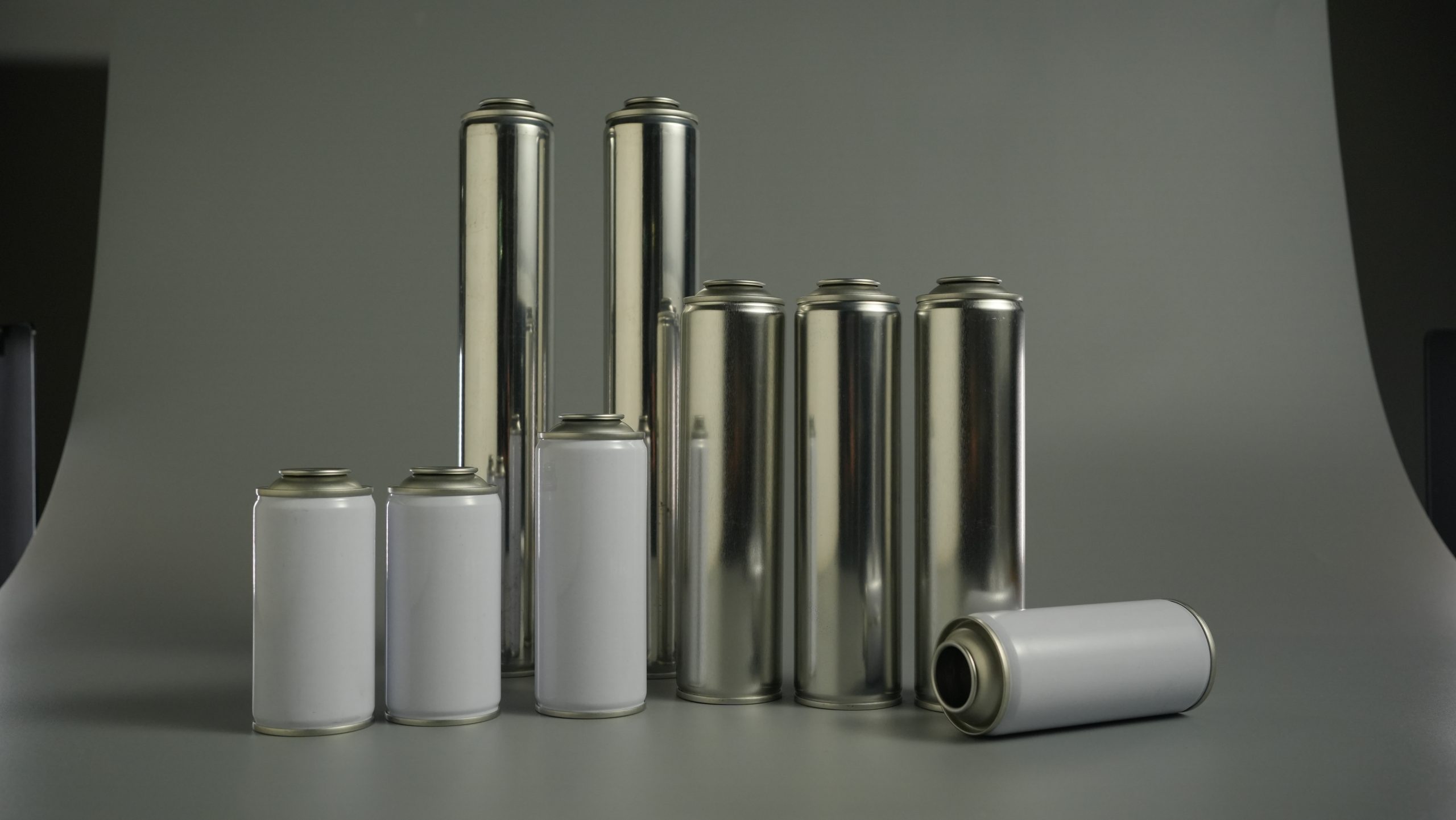
Off-flavors or chemical solvent lingering in your aerosol products are rarely caused by formula degradation alone. In 80%+ of field cases, the root cause lies in incomplete lacquer curing or micro-defects within the internal coating of the aerosol tinplate can. This guide breaks down the critical parameters between industrial, cosmetic, and food-grade internal linings—helping procurement and R&D teams prevent off-odors and solvent retention at the source. 1. The Chemistry of Off-Odors: Solvent Retention vs. Metallic Leaching When an end-user releases an aerosol spray and detects an off-flavor, it typically points to one of two distinct failure modes in the manufacturing process: Sharp Chemical / Solvent Residue (Pungent “Paint-Like” Odor): Mechanism: Af...Learn more -
Aerosol Tin Can: Fix Foundation & Cosmetic Mist Oxidation Discoloration
Most cosmetic brands face a stubborn quality issue. Filled liquid foundation and vitamin C mist turn yellow and dark after months of standard storage. Formulators often adjust preservative systems repeatedly but fail to fix the root cause. The problem lies in the inner coating quality of the aerosol tin can. Chemical reactions between cosmetic actives and tinplate metal trigger Vitamin C oxidation with tinplate and ruin product color and stability. This oxidation process works just like browning fresh fruit in open air. Standard aerosol can coatings do not form full airtight barriers. High-temperature baking creates tiny invisible pinholes on the paint surface. Liquid formulas seep through these gaps and touch the tinplate base. This process causes iron ion migration and leads t...Learn more -
45mm Tinplate Aerosol Can: Why Neck Crimping Collapse Happens & Field Fixes
45mm tinplate aerosol can neck collapse ranks among the most common and disruptive defects on automatic filling lines. Most production teams face repeated necking deformation, seal failure and finished product rejection during crimping and valve insertion. Simple machine adjustments rarely solve the issue permanently. The real problem comes from mismatched crimping pressure calibration, insufficient can structural strength and improper tinplate temper grades. As a professional custom aerosol can manufacturer, SAILON solves these field failures with tested material standards and optimized forming processes. Most factory engineers notice 45mm slim cans collapse far more often than standard 65mm cans. The tall, narrow body creates a high aspect ratio structure with weak sidewall su...Learn more